Politics
Supreme Court upholds birthright citizenship, strikes down Trump order
The Supreme Court preserved birthright citizenship for nearly all babies born in the United States and struck down President Donald Trump’s order to narrow it, handing the White House a major defeat in its effort to reshape immigration law. The ruling also sent the dispute back to a precedent that has anchored citizenship law for more than a century: United States v. Wong Kim Ark.
That 1898 case was decided on March 28, 1898, in a 6-2 vote, with Justice Joseph McKenna taking no part. Justice Horace Gray wrote the opinion for the Court, holding that the Citizenship Clause of the 14th Amendment automatically made Wong Kim Ark a U.S. citizen. Wong was born in San Francisco in 1873 to Chinese-born parents who were lawful residents, and the legal fight began after officials denied him re-entry following a temporary trip to China in 1895.
The Court’s latest ruling makes the same constitutional point in modern form: birth on U.S. soil remains the governing rule for citizenship in nearly all cases. That leaves Trump without an executive order that can override the constitutional baseline, and it preserves a right that courts have understood as settled law for well over a century.
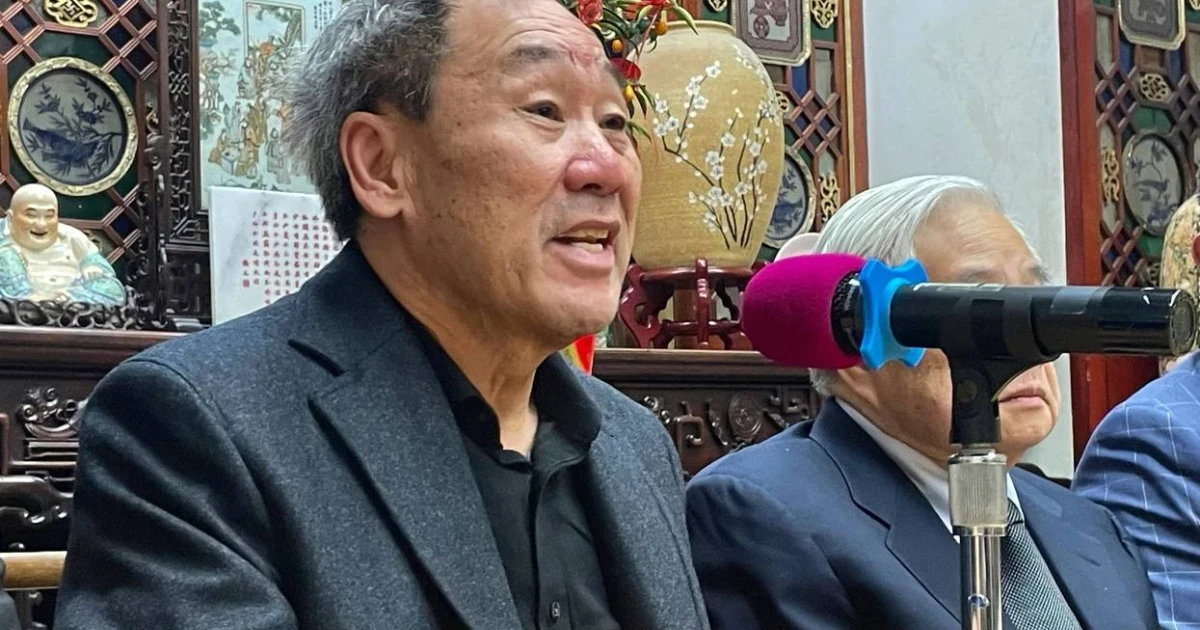
Norman Wong, Wong Kim Ark’s great-grandson, has become part of the public face of that family history as the case has returned to the center of national politics. His ancestor’s name has long stood for jus soli, the principle that citizenship comes from birth on American soil, not from a parent’s passport or immigration status.
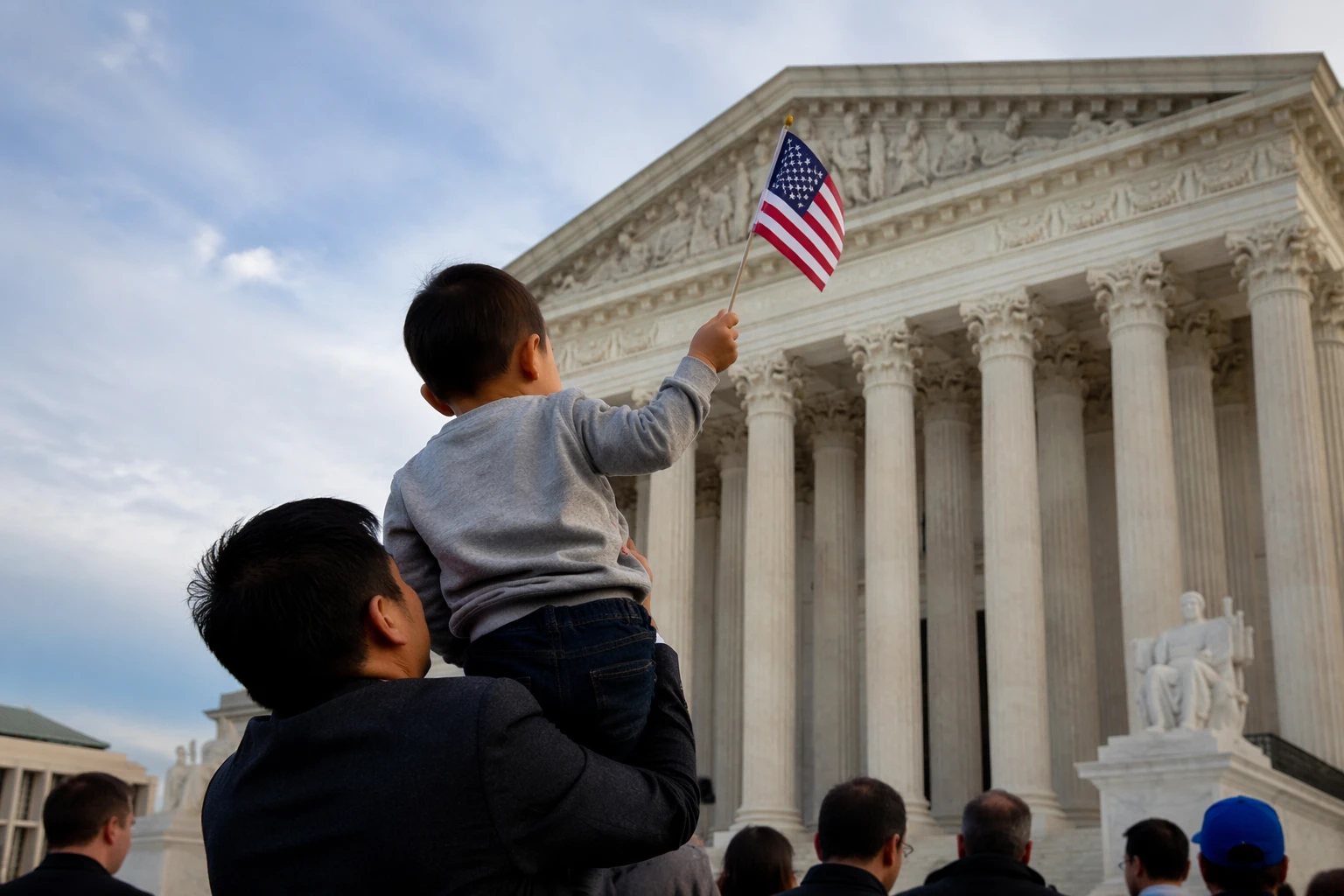
The practical stakes reach well beyond one family or one lawsuit. Critics of Trump’s order warned it would have created uncertainty for families, hospitals, and state agencies that issue birth certificates. Supporters of birthright citizenship framed the court fight as a direct test of the 14th Amendment and of a long-standing understanding of who belongs under the Constitution.
The decision settles the immediate legal challenge to Trump’s attempt to restrict automatic citizenship, but it does not end the political fight over the issue. Birthright citizenship has repeatedly reemerged as a flashpoint because it sits at the intersection of immigration enforcement, constitutional text, and the country’s definition of membership, making it one of the most durable and divisive questions in American governance.
Sources
- [1]cbsnews.com
- [2]oyez.org
- [3]constitutioncenter.org
- [4]law.cornell.edu
- [5]sfgate.com
- [6]reuters.com
- [7]news.northeastern.edu