Politics
Supreme Court upholds state bans on transgender athletes in girls’ sports
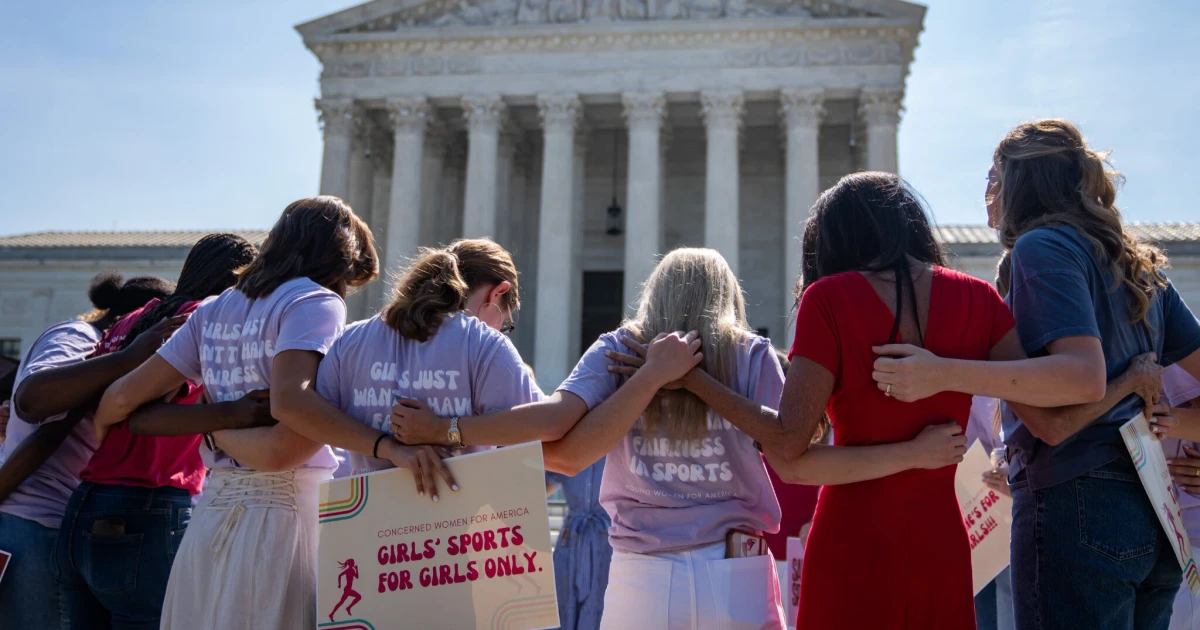
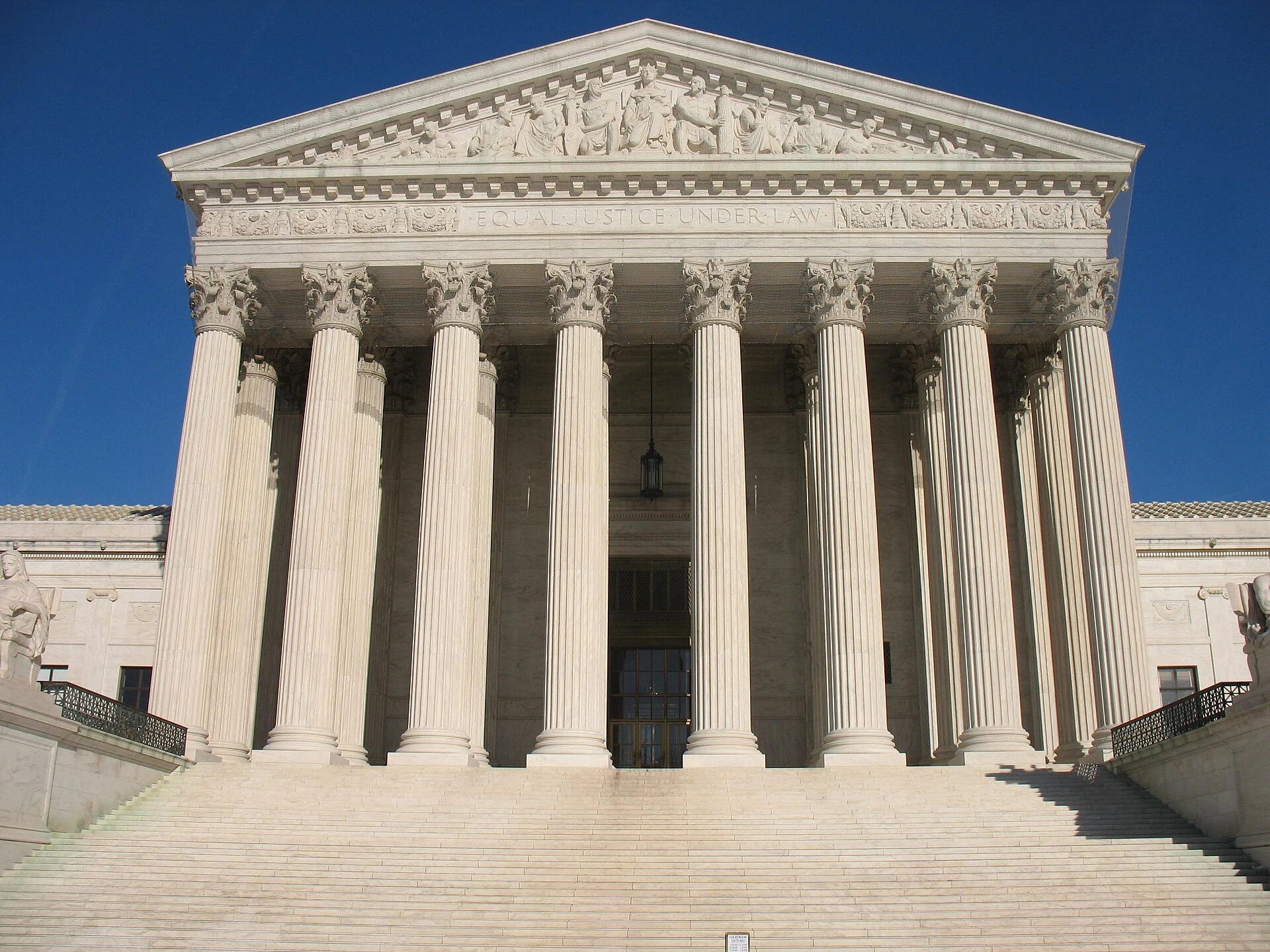
The Supreme Court upheld Idaho and West Virginia bans on transgender girls and women in school sports on Tuesday, handing state lawmakers and school officials a powerful new shield for sex-segregated athletics rules. In a 6-3 opinion written by Justice Brett Kavanaugh, the court reversed lower court decisions that had blocked the bans under Title IX and the 14th Amendment’s Equal Protection Clause.
The consolidated cases, Little v. Hecox and West Virginia v. B.P.J., challenged laws passed in 2020 and 2021 that bar transgender students from teams matching their gender identity. Lindsay Hecox challenged the Idaho law, while B.P.J., a young transgender athlete, sought to compete on girls’ cross-country and track-and-field teams in West Virginia. The court’s opinion said Title IX allows schools to provide separate women’s and men’s teams defined by biological sex, a ruling that gives states and athletic associations a clearer legal basis to keep transgender girls out of girls’ sports.
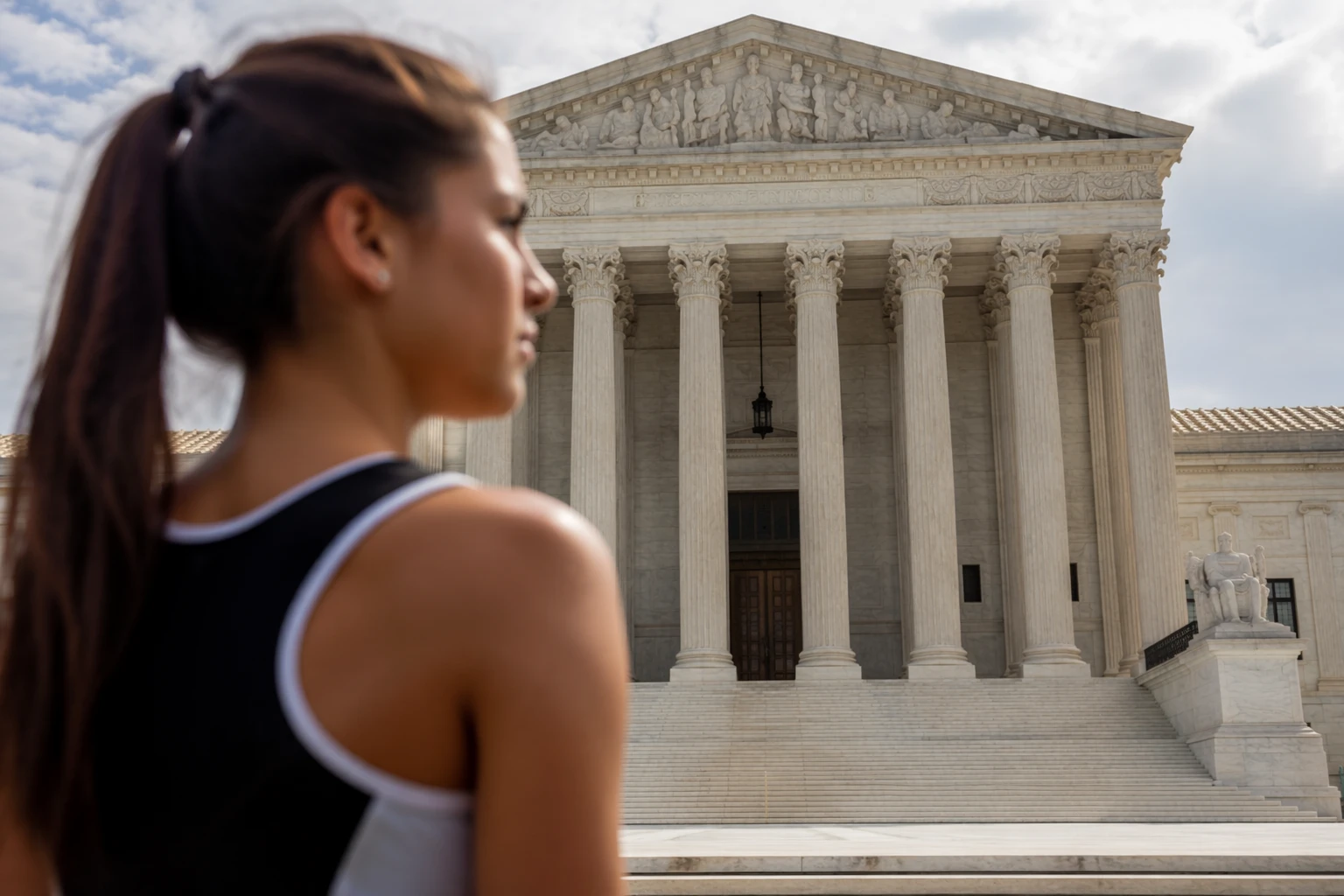
The decision immediately solidified restrictions in the two states at the center of the cases and left in place similar limits in 27 other states. That reach matters far beyond Washington. State education departments, school districts and athletic associations now face a firmer Supreme Court signal to write eligibility rules around sex assigned at birth, narrowing the legal pathways transgender students and their families have used to challenge exclusions in court.
Oral arguments were held on January 13, 2026, and the ruling arrives amid a broader run of Supreme Court setbacks for transgender Americans. Advocates for trans rights called the outcome a major setback for anti-discrimination protections and said it would deepen harm for transgender youth in school settings, where sports participation can shape peer relationships, school belonging and access to extracurricular opportunities.
President Donald Trump called the ruling a “big win,” while LGBTQ advocacy groups such as the Human Rights Campaign and GLAAD condemned it as harmful to transgender girls and women. The court’s decision now stands as part of a wider legal rollback that is reshaping the boundaries of LGBTQ rights at the state level, especially in schools where transgender students have already faced some of the most visible and contested forms of exclusion.
Sources
- [1]nytimes.com
- [2]supremecourt.gov
- [3]scotusblog.com
- [4]hrc.org
- [5]glaad.org