Politics
Supreme Court upholds trans sports bans, leaves states free to decide
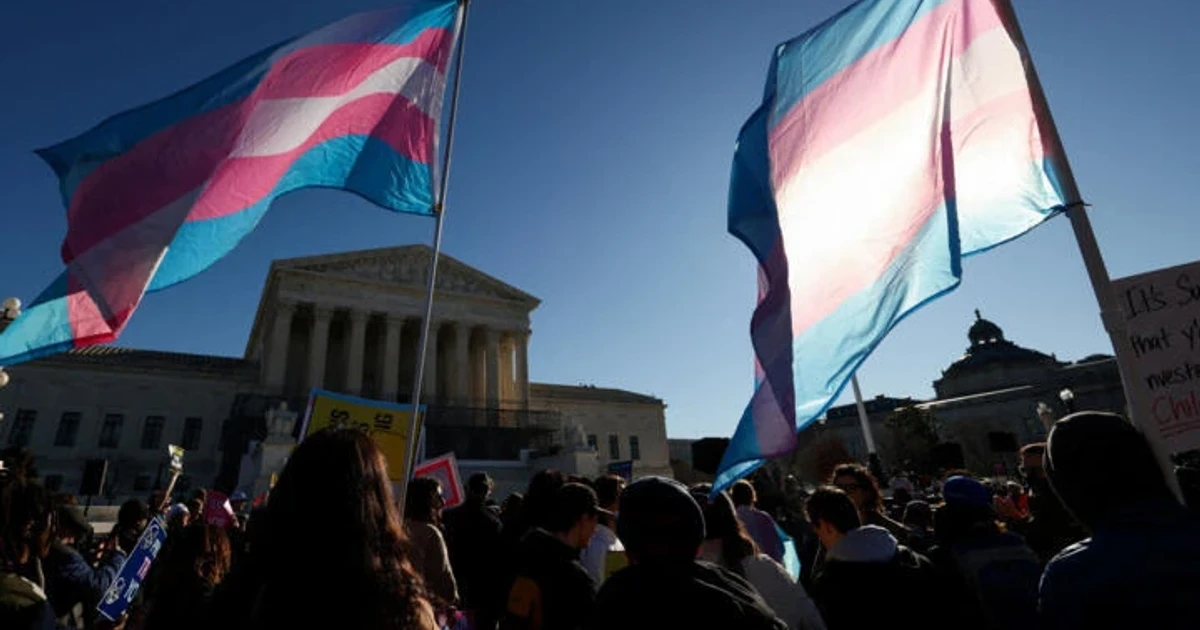
The Supreme Court upheld bans in Idaho and West Virginia that bar transgender girls and women from women’s and girls’ sports, but it stopped short of ordering any state to adopt one. That split leaves states such as Connecticut and California with permissive policies intact for now, while giving opponents of transgender inclusion a fresh legal and political weapon.
The ruling rested on Idaho’s Fairness in Women’s Sports Act, enacted in 2020, and West Virginia’s Save Women’s Sports Act, enacted in 2021. Reuters said the decision cleared the way for states to impose restrictions on transgender student-athletes, and coverage across the country counted more than half the states as already having some form of ban or restriction in place. One tally put the number of states with laws restricting transgender student-athletes at 27.
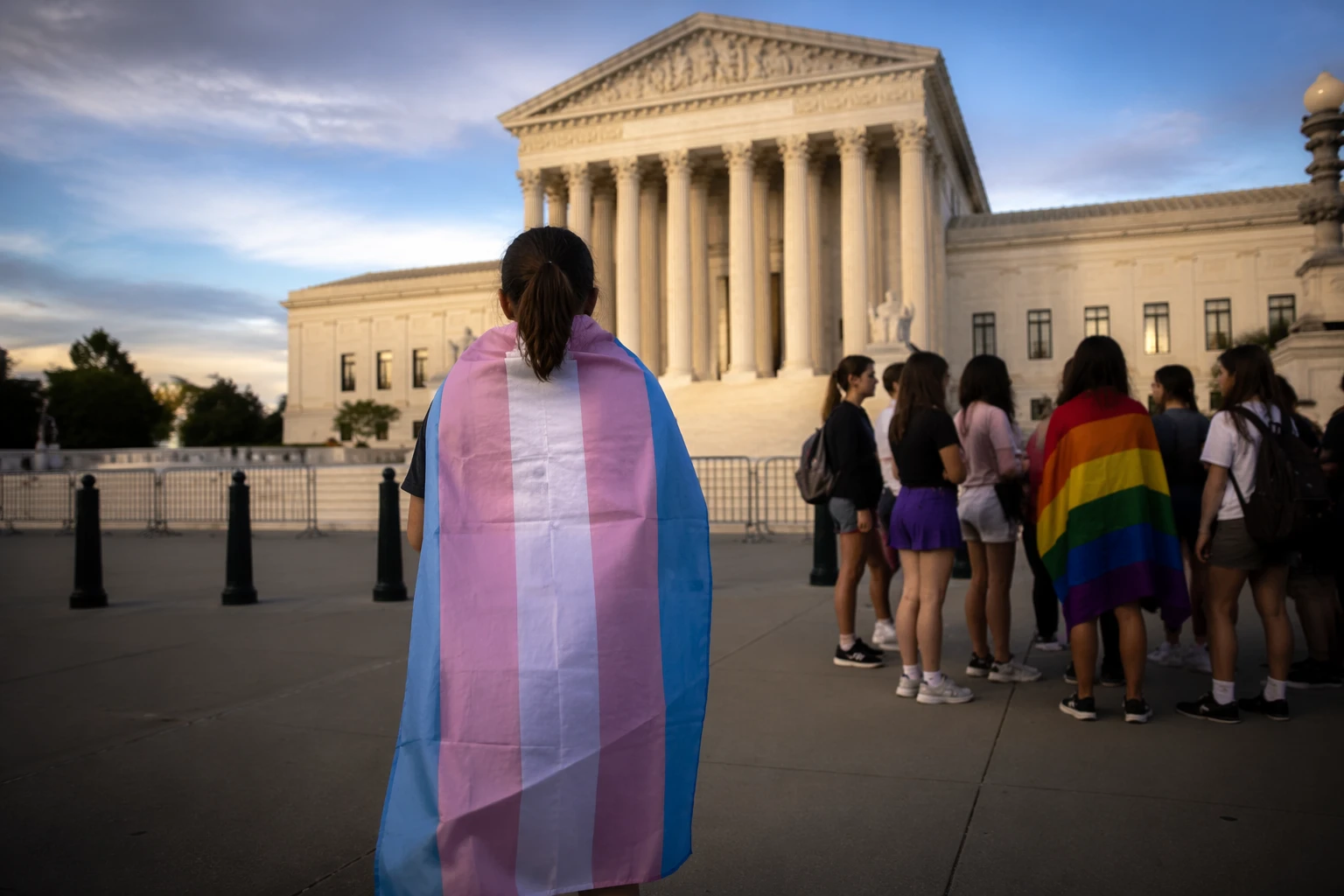
That matters most in the states where nothing changed legally on June 30 but the pressure rose anyway. Legislatures in states that still allow transgender athletes to compete consistent with their gender identity now face an emboldened push from opponents of inclusion, while governors who have resisted bans can expect renewed confrontation from conservative lawmakers and advocacy groups. School sports bodies in permissive states will also be under sharper scrutiny, because the court left their policies untouched even as it validated outright prohibitions elsewhere.
The unresolved fights in Connecticut, California and other states show where the next round is headed. Lawsuits challenging rules that allow transgender athletes to compete remain active, and the ruling does not automatically invalidate those policies. Connecticut Attorney General William Tong said the decision did not require states to enact bans, underscoring that any change in permissive states will come from statehouses, governors’ offices and ballot campaigns, not from the court alone.

For backers of bans, the decision is likely to become a template in every state where transgender girls and women can still compete. For opponents, it sharpens the stakes in a state-by-state fight that now runs through legislatures, courts and election-year campaigns, with the country still split between states that have locked in prohibitions and those that have not.
Sources
- [1]nytimes.com
- [2]usnews.com
- [3]scotusblog.com
- [4]ctmirror.org
- [5]insidehighered.com
- [6]hrc.org