US News
Supreme Court Weighs Future of Birthright Citizenship
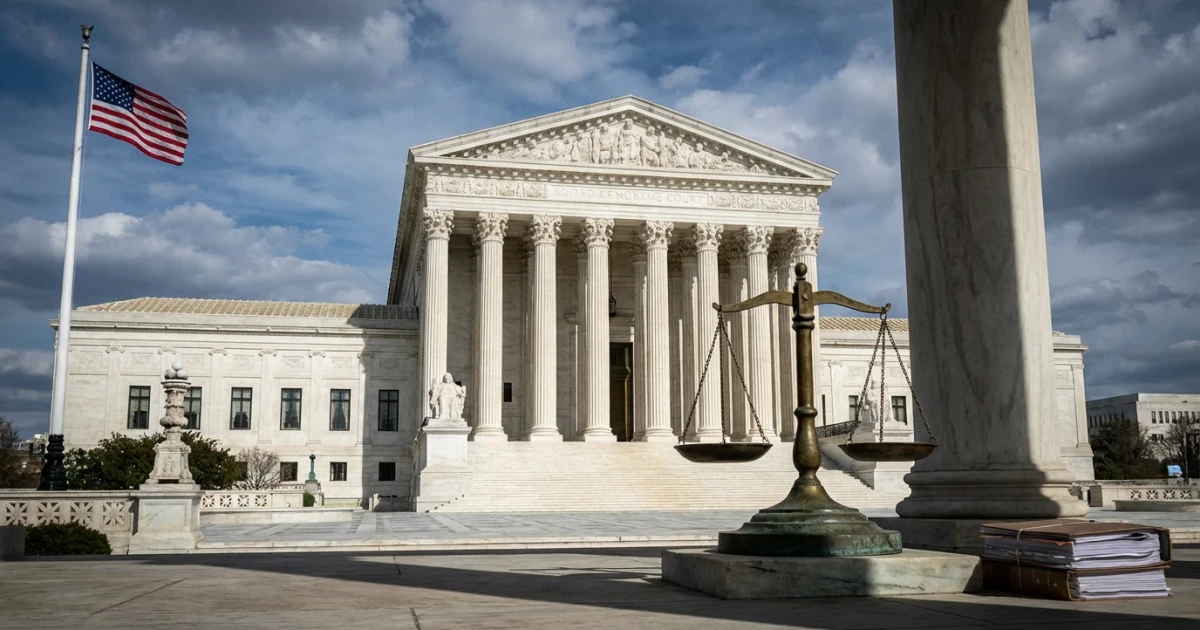
The Supreme Court has agreed to hear arguments that could determine the fate of birthright citizenship in the United States, a move that could have far-reaching consequences for millions of Americans and the future of immigration policy. The case, which has drawn national attention, follows former President Donald Trump's call to end the automatic granting of citizenship to children born in the U.S. to non-citizen parents.
What Is Birthright Citizenship?
Birthright citizenship is the principle that anyone born on U.S. soil is automatically a citizen. Enshrined in the 14th Amendment to the Constitution, this policy has shaped America’s demographic landscape since 1868. According to the U.S. Citizenship and Immigration Services, the Amendment guarantees citizenship to "all persons born or naturalized in the United States, and subject to the jurisdiction thereof."
What’s at Stake?
If the Supreme Court sides with the arguments to restrict birthright citizenship, the impact could be profound. Axios reports that millions of U.S.-born children with non-citizen parents could lose their citizenship status or face complicated legal challenges. Pew Research Center data show that roughly 4 million U.S.-born children have at least one unauthorized immigrant parent, making them particularly vulnerable to any changes.
- Demographic Impact: The U.S. Census Bureau estimates over 3.6 million births occurred in 2021 alone, with a substantial share involving at least one non-citizen parent.
- Legal Uncertainty: Changing the interpretation of the 14th Amendment could open the door to legal challenges for current citizens and those seeking naturalization.
Political and Legal Context
Former President Trump has argued that birthright citizenship encourages unauthorized immigration and has suggested he may attend the Supreme Court’s arguments, according to Axios and Politico. His proposal has reignited debate over the interpretation of the 14th Amendment, with supporters citing national security concerns and critics warning of constitutional overreach.
Efforts to change birthright citizenship have been made before, including the Birthright Citizenship Act of 2017, which sought to limit automatic citizenship to children with at least one U.S. citizen or lawful permanent resident parent. The bill did not advance, but the current Supreme Court case could achieve a similar effect through judicial action.
What Happens If the Court Sides with Trump?
Legal experts cited in Axios warn that a ruling in favor of restricting birthright citizenship could set a precedent for reinterpretation of other constitutional rights. Immediate effects could include:
- Massive bureaucratic challenges in determining citizenship status for children born to non-citizens
- Potential statelessness for some children if their parents’ countries do not grant them citizenship through descent
- Increased legal disputes over the status of millions of U.S.-born residents
According to the Migration Policy Institute, the U.S. is one of fewer than 40 countries that still practices unrestricted birthright citizenship. Changing this long-standing policy would place the U.S. in line with countries that have ended or restricted the practice.
Broader Implications
Beyond the immediate legal and demographic effects, the case could influence the national conversation on immigration and citizenship. It raises questions about how the U.S. defines membership and belonging, and whether constitutional rights can be revised by judicial interpretation rather than legislative action.
What Comes Next?
The Supreme Court’s decision, expected later this year, will likely have sweeping consequences for families, the legal system, and the country’s identity as a nation of immigrants. As the case unfolds, lawmakers, advocacy groups, and millions of Americans will be watching closely to see whether the principle of birthright citizenship endures or faces fundamental change.