Business
Supreme Court Weighs Future of Roundup Cancer Lawsuits
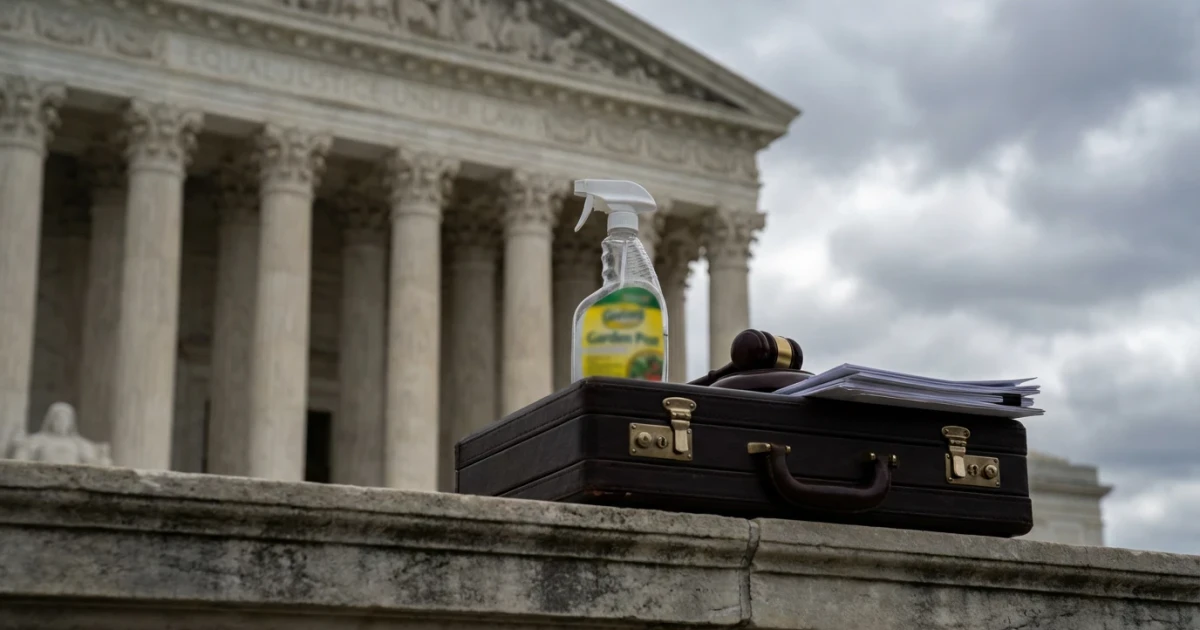
The U.S. Supreme Court is currently examining whether to block thousands of lawsuits alleging that the popular weed killer Roundup causes cancer, a pivotal case that could reshape the landscape of product liability law and consumer protection nationwide.
Background: Roundup and Glyphosate Under Scrutiny
Roundup, manufactured by Bayer (formerly Monsanto), contains glyphosate as its active ingredient. Glyphosate is one of the most widely used herbicides in the world and has been the subject of intense scientific and regulatory debate. While the Environmental Protection Agency (EPA) has maintained that glyphosate is not likely to be carcinogenic to humans when used as directed, the International Agency for Research on Cancer (IARC), an arm of the World Health Organization, classified glyphosate as a "probable human carcinogen" in 2015. This classification fueled a wave of litigation from individuals claiming that exposure to Roundup led to non-Hodgkin lymphoma and other cancers.
Legal Battle Reaches the Supreme Court
As reported by The Washington Post, the Supreme Court's deliberations center on whether federal regulatory approval of glyphosate should preempt state-based lawsuits alleging failure to warn consumers of cancer risks. This issue has divided lower courts, with some siding with plaintiffs and others finding that EPA approval shields Bayer from liability. At stake are thousands of pending lawsuits and billions of dollars in potential damages.
- Numerous plaintiffs have won significant jury verdicts against Bayer, leading to large settlements and ongoing appeals.
- Bayer has already paid out billions and faces thousands of unresolved claims, according to its official litigation updates.
- Bayer argues that allowing these lawsuits to proceed undermines the EPA’s regulatory authority and creates conflicting standards.
Scientific Evidence and Public Health Implications
The core of the lawsuits rests on scientific evidence linking glyphosate to cancer. The American Cancer Society provides a detailed explainer of the current research: while some studies have found an association between glyphosate exposure and non-Hodgkin lymphoma, others have not. A comprehensive meta-analysis published in 2019 concluded there was a "compelling link" between glyphosate exposure and increased risk of non-Hodgkin lymphoma, though regulatory agencies like the EPA continue to maintain that the chemical is safe when used as directed. Data from the CDC's NIOSH program tracks pesticide-related illnesses and highlights the ongoing scrutiny of glyphosate’s health effects in the agricultural workforce and general population.
Arguments and Potential Impact
As The Washington Post details, the Supreme Court appears divided on the central issues. Justices are weighing the balance between federal regulatory authority and the rights of individuals to seek redress through state courts. If the court rules in favor of Bayer, it could set a precedent that blocks similar lawsuits against other EPA-approved chemicals and products. Conversely, a decision allowing the lawsuits to proceed could open the door to increased litigation against manufacturers, even when products have passed federal safety reviews.
- Consumer advocates argue that allowing lawsuits encourages transparency and accountability for chemical manufacturers.
- Industry groups warn that a ruling against Bayer could undermine the EPA’s authority and create regulatory uncertainty.
What Comes Next?
The Supreme Court’s eventual decision will have far-reaching consequences for public health policy, consumer protection, and the future of agricultural chemicals. Regardless of the outcome, the debate over glyphosate’s safety is likely to continue, with ongoing research and regulatory review informing both legal and scientific perspectives. Readers can track the official legal filings and arguments by reviewing the Supreme Court petition and court documents central to the case.
As the high court deliberates, consumers, advocacy groups, and industry stakeholders are watching closely. The outcome will influence not only the fate of Roundup litigation but also broader questions about how the U.S. regulates potentially hazardous products and the legal recourse available to those who claim harm.