Politics
Supreme Court’s remaining rulings could deliver Trump a mixed bag
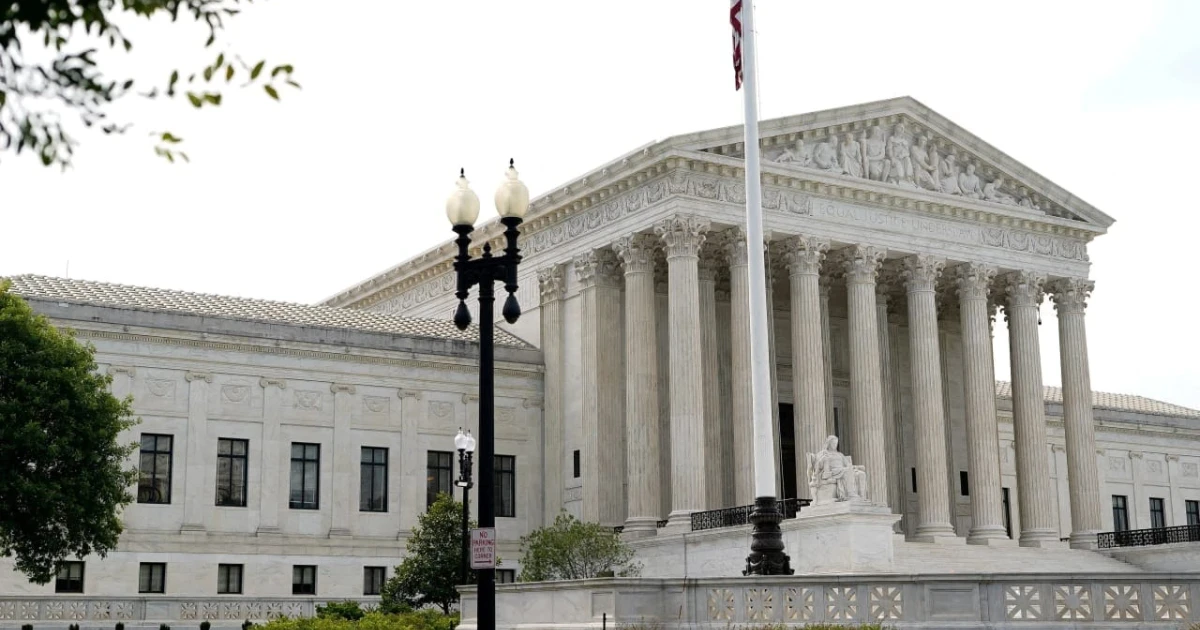
The Supreme Court on June 25 gave Donald Trump a win that lets his administration strip temporary protected status from Syrian and Haitian immigrants, but the rest of the term could still leave him with far less than a clean sweep. Jan Crawford, CBS News’ chief legal correspondent, said the final decisions could amount to a “mixed bag” for Trump as the justices race toward the start of July.
The court has already delivered blows as well as victories. CBS News said it had struck down Trump’s sweeping tariffs and weakened the Voting Rights Act before the remaining cases reached the finish line, underscoring how uneven the term has been for the White House.
The sharpest test still pending is birthright citizenship. In Trump v. Barbara, Trump signed an executive order on his first day back in the White House seeking to end birthright citizenship for babies born to parents in the United States illegally or temporarily. Lower courts blocked the directive as likely unconstitutional, and the justices heard arguments in April. CBS News reported that a majority appeared poised to invalidate the order, which would be a major setback for Trump’s immigration agenda and for his effort to redefine who is automatically granted citizenship at birth.
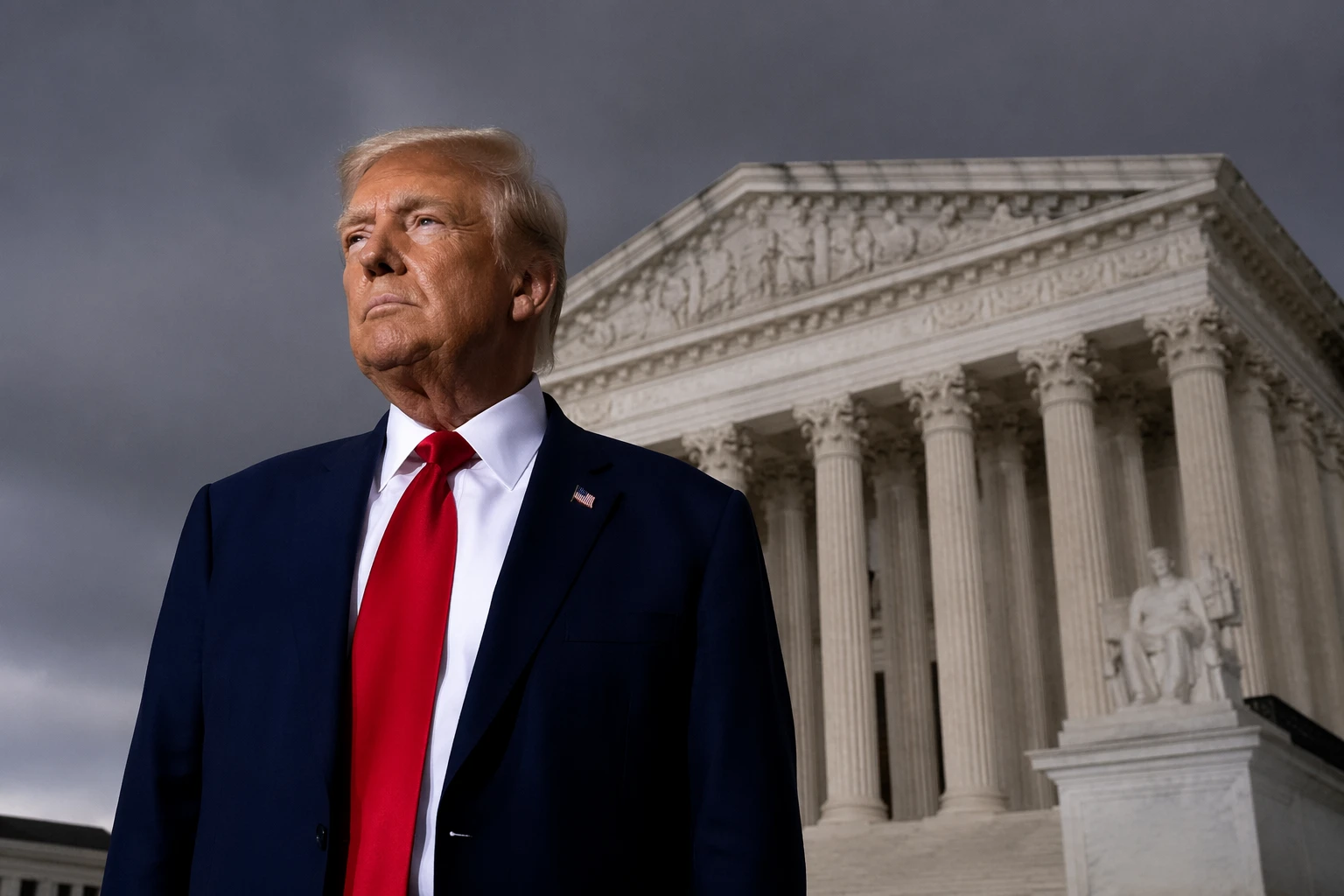
Another set of rulings could redraw the fight over transgender athletes. The court is weighing challenges to bans in Idaho and West Virginia, and 27 states have enacted similar restrictions in recent years. A decision in those cases could affect laws in more than half of the country, either by strengthening state bans or by narrowing how broadly states can enforce them.
The final issue goes to presidential power itself. The court is considering Trump’s efforts to fire members of independent agencies, a dispute that could revisit Humphrey’s Executor v. United States, the 1935 precedent that has limited presidents’ ability to remove officials at will for 91 years. A broad ruling for Trump would expand his control over the federal government, while a narrower one could leave the old precedent standing but carve out only a limited exception.
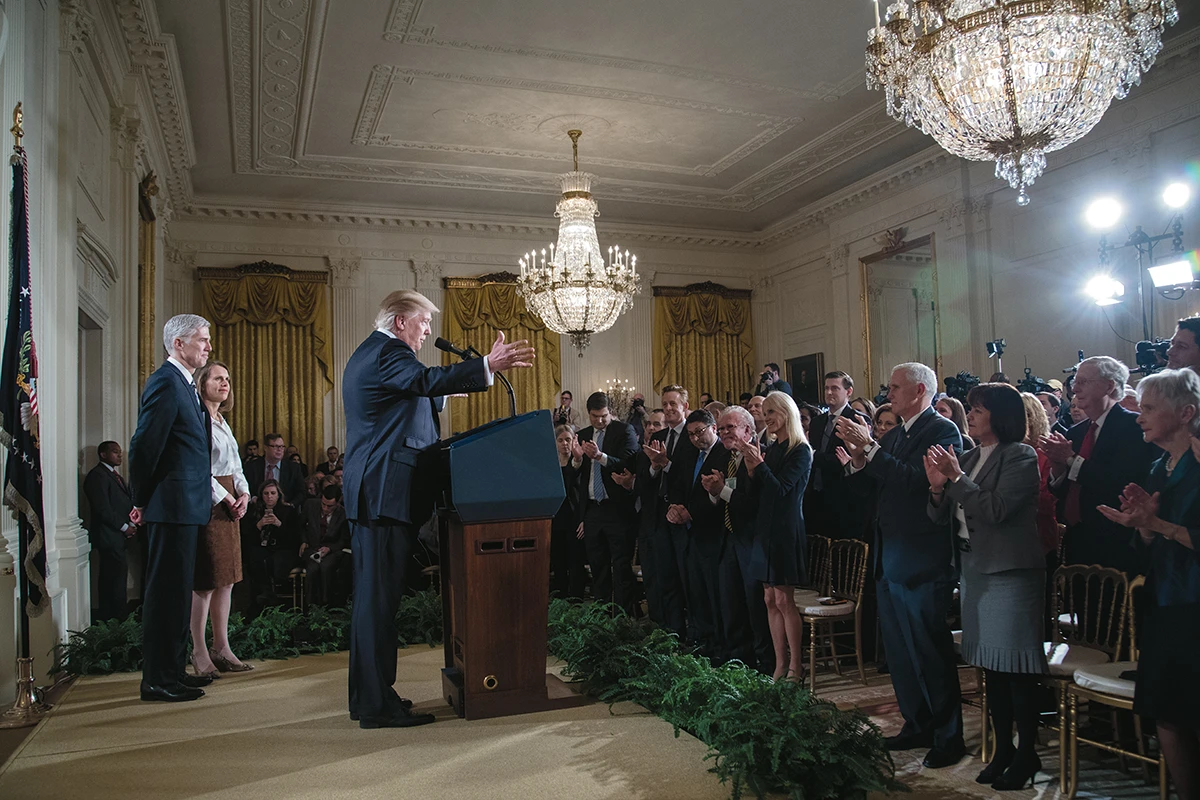
For Trump, that makes the last rulings more complicated than a simple win-or-loss tally. The June 25 immigration decision showed the court can still deliver him concrete gains, but birthright citizenship, transgender-athlete bans and presidential firing power could each produce narrower outcomes that leave him with less than the sweeping authority his administration has sought.
Sources
- [1]cbsnews.com
- [2]thehill.com
- [3]msmagazine.com
- [4]usnews.com