World
Survivors welcome report condemning Sheffield mother-and-baby home abuse
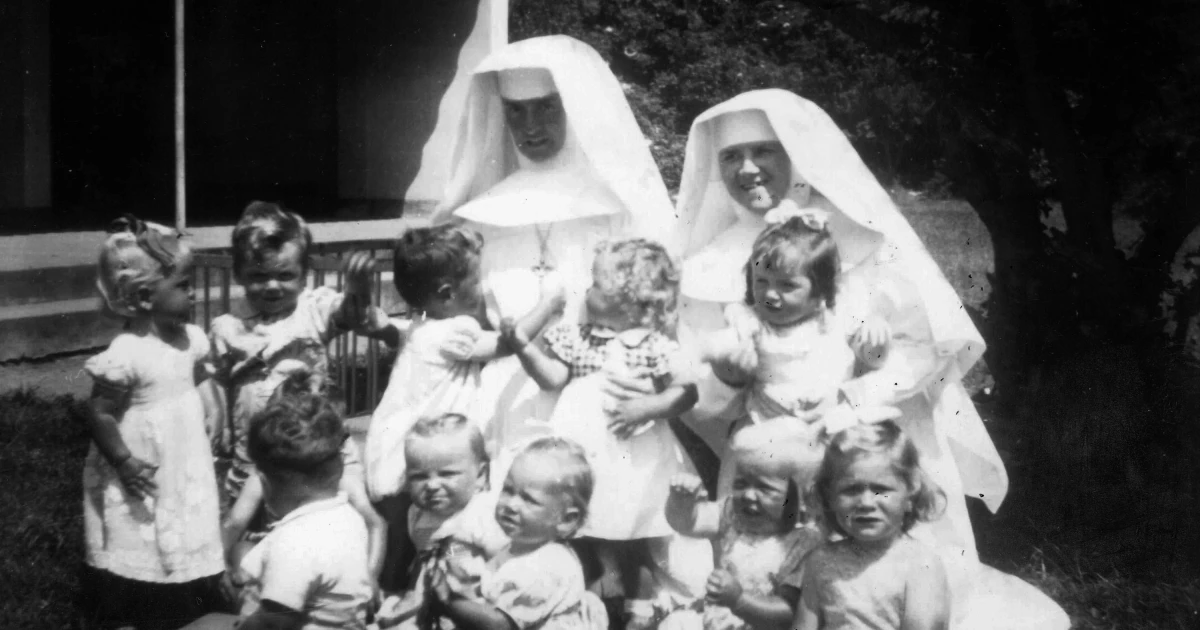
A report condemning abuse at a Sheffield mother-and-baby home has been welcomed by survivors and relatives who have spent years pressing for recognition of what happened to unmarried women and their babies. The case has become another stark example of how institutional care, maternity hospitals and adoption arrangements worked together to remove choice from women already facing stigma.
The Sheffield case sits inside a wider national reckoning over forced and pressured adoption in England and Wales. A Joint Committee on Human Rights inquiry examined the period from 1949 to 1976, received 142 written evidence submissions, more than 260 survey responses, held three oral evidence sessions and convened a roundtable with more than 40 mothers and adopted people. The UK Government later said the treatment of many unmarried parents, especially women, was wrong and should not have happened, adding that many women were denied a meaningful choice to keep their babies and were left with shame and secrecy.
That wider picture was sharpened again in March 2026, when the House of Commons Education Committee said around 185,000 children were adopted between 1949 and 1976. It also said progress on reform had been slow and inconsistent, including on an apology, leaving survivors still waiting for fuller acknowledgement and practical change.
In Sheffield, St. Agatha’s on Broomsgrove Road was identified as one of the city’s mother-and-baby homes. The home operated from 1960 to 1979 under the Sheffield Diocesan Moral Welfare Council and was described as interdenominational. According to the retrospective, girls often arrived at about seven months pregnant, stayed for around six weeks after the birth, and were usually admitted to Hallamshire Hospital, later Chapeltown Maternity Hospital, for delivery.
The same account said some mothers had little or no chance to say goodbye before their babies were handed over for adoption. That detail captures why these reports still matter now: they do more than recount private grief. They expose a system that relied on secrecy, pressure and institutional control, and they keep alive the demand for records access, official redress and a justice process that recognises the scale of the loss.
Sources
- [1]bbc.com
- [2]publications.parliament.uk
- [3]thestar.co.uk
- [4]itv.com