US News
Suspect in two Manhattan stabbings charged with hate crimes
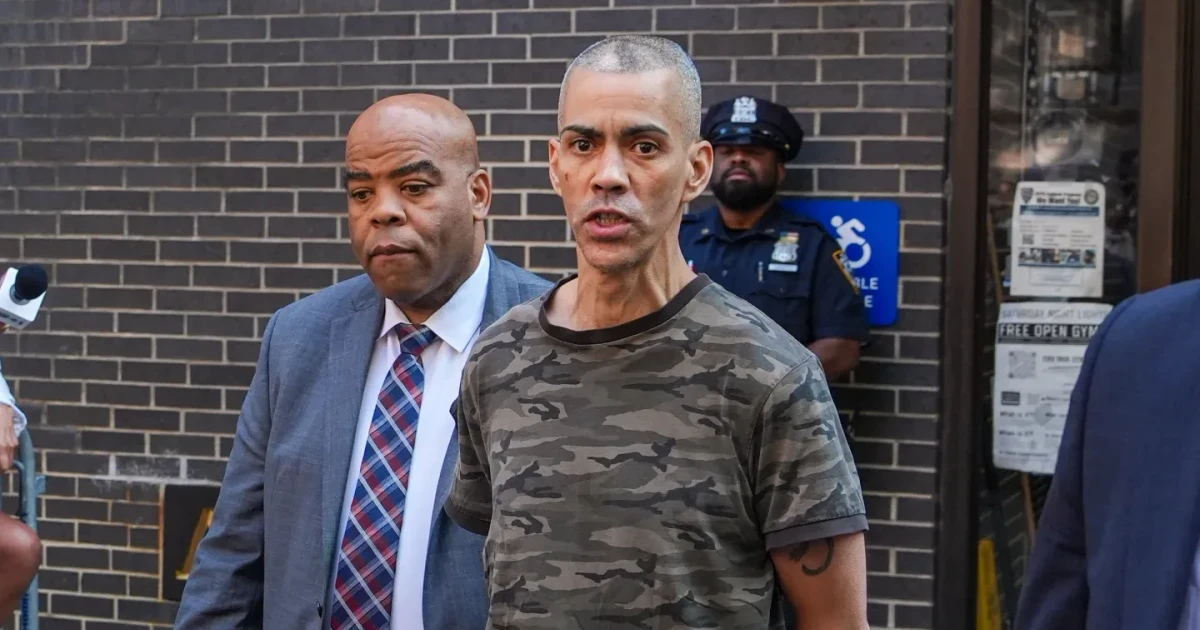
Raul Morales, 51, was charged with attempted murder as a hate crime after two men were stabbed on Manhattan’s Upper West Side near Central Park West and 84th Street. Manhattan prosecutors upgraded the case after investigators linked the daytime attacks and treated bias as part of the alleged motive.
Police had been examining whether the two stabbings were connected and whether the victims were singled out because of a protected characteristic. One detail that investigators weighed was the reported statement that Morales yelled “Allahu Akbar” before the attack. The attacks unfolded on Thursday afternoon, July 23, 2026, in a dense stretch of Manhattan where violence immediately reverberates through nearby blocks, transit routes and apartment buildings.
Both victims were men, and officials said both were expected to survive. Morales was held without bail after his arraignment, underscoring how quickly prosecutors moved to treat the case as more than a pair of isolated assaults. The hate-crime charge, along with other counts, raised the legal stakes by putting motive at the center of the case rather than leaving it as a standard violent-crime prosecution.
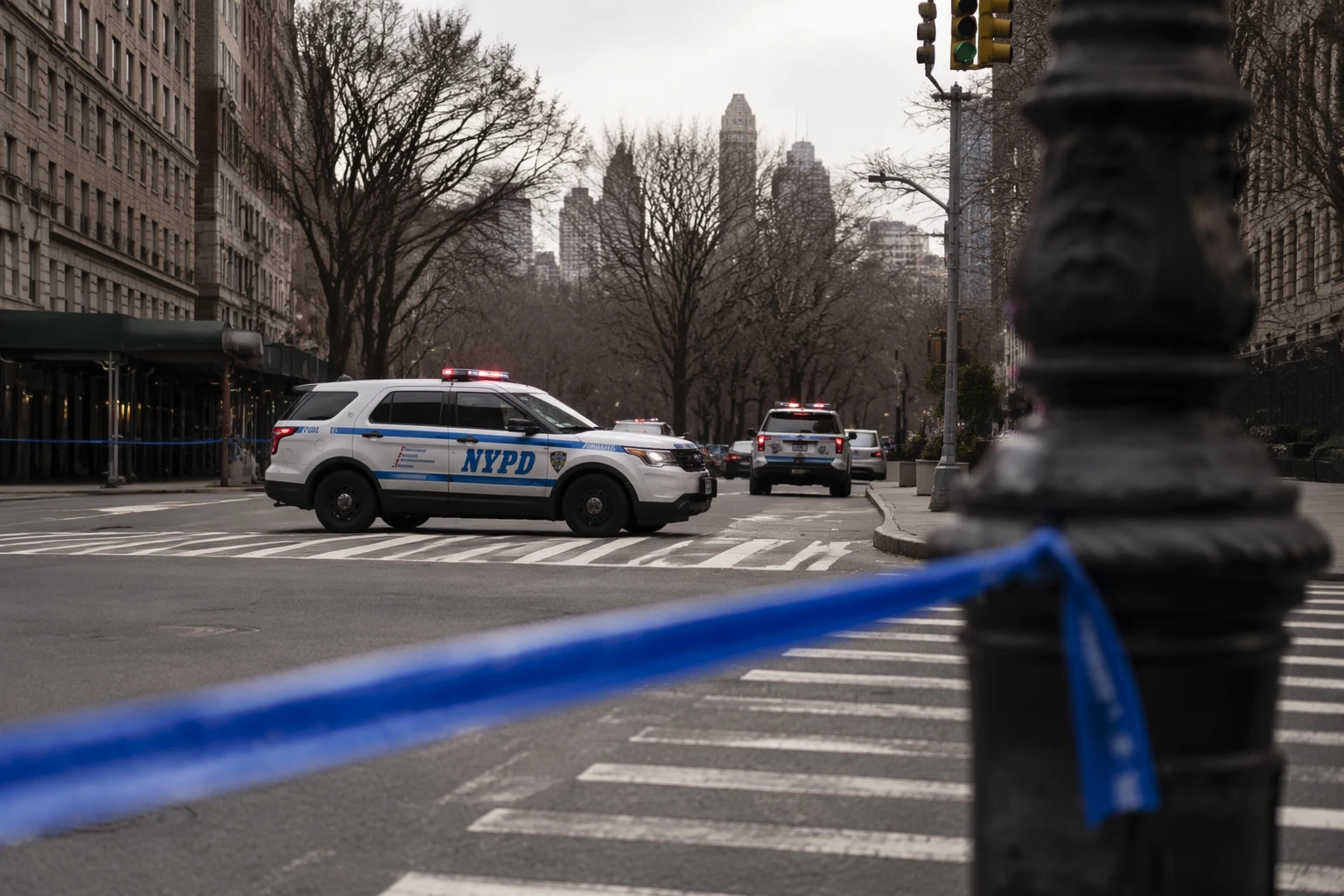
That distinction matters in court and in public. A hate-crime allegation requires prosecutors to prove not only that a defendant committed violence, but that the violence was driven by bias. If they can do that, the charge can shape sentencing exposure, influence how victims and witnesses are interviewed, and tell the public that investigators believe the attacks fit a broader pattern rather than random street violence.
The case also placed pressure on the NYPD and Manhattan prosecutors to explain how they linked the stabbings and why they concluded a hate-crime theory fit the evidence. Morales was escorted from the NYPD 20th Precinct after his arrest, a visible sign of how seriously the case was being handled. In a borough as diverse as Manhattan, that kind of designation carries consequences beyond the courtroom, especially for communities watching closely to see whether the criminal justice system will identify and confront bias-driven violence quickly enough.
Sources
- [1]apnews.com
- [2]cbsnews.com
- [3]youtube.com
- [4]ny1.com
- [5]nytimes.com
- [6]krqe.com