Health
Suspected Hantavirus Outbreak Linked to Dutch Cruise Ship
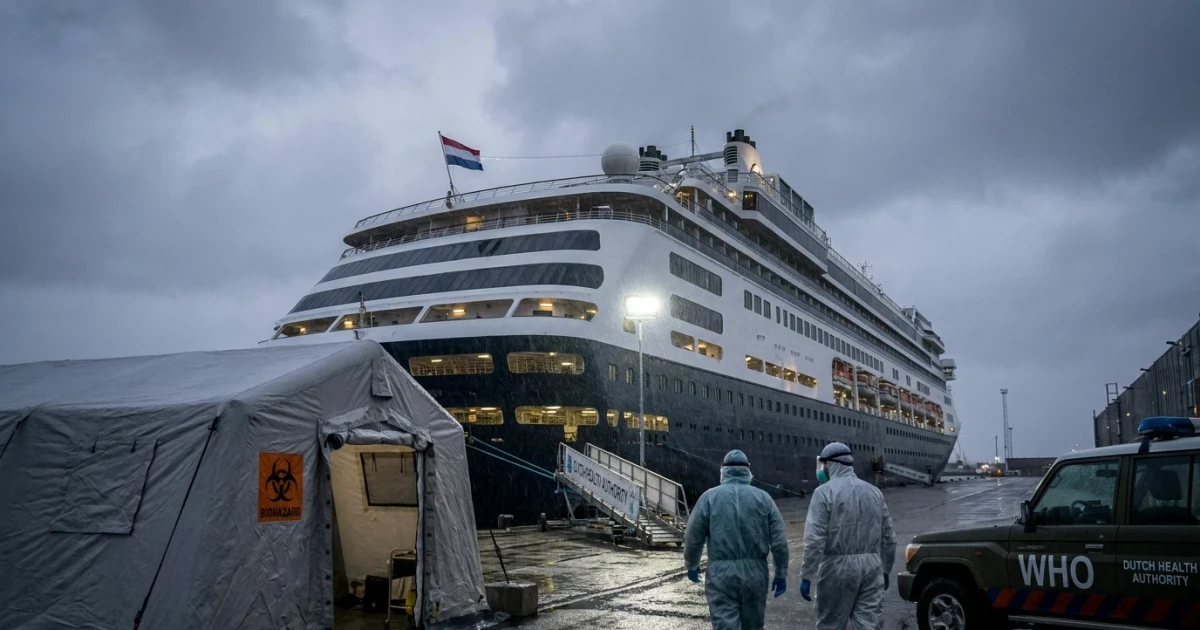
Three passengers have died following a suspected hantavirus outbreak aboard a Dutch cruise ship, according to the World Health Organization (WHO). The incident has raised concerns about potential transmission among the ship's passengers and prompted ongoing investigations by international health authorities.
Timeline of the Incident
- WHO first reported the deaths on May 5, 2026, confirming that three individuals had died in what is being treated as a suspected hantavirus outbreak.
- The cruise ship, which has not been named publicly, was operating in European waters under a Dutch flag.
- According to WHO officials, initial evidence suggests possible person-to-person transmission, a rare occurrence for hantavirus infections.
Understanding Hantavirus
Hantavirus is a family of viruses spread mainly by rodents. In humans, it can lead to severe respiratory illnesses, such as hantavirus pulmonary syndrome (HPS). Symptoms often begin like the flu, but can quickly progress to life-threatening respiratory distress.
- Transmission usually occurs through direct contact with rodent droppings, urine, or saliva, or by inhaling aerosolized virus particles.
- Person-to-person spread is extremely uncommon, though some strains, particularly in South America, have shown limited human transmission.
For more about the virus, its symptoms, and prevention, readers can review the European Centre for Disease Prevention and Control factsheet.
Investigation and Response
WHO is collaborating with Dutch health authorities and other international partners to trace the outbreak's source. Efforts include:
- Contact tracing of all passengers and crew aboard the affected vessel.
- Health monitoring and isolation of symptomatic individuals.
- Environmental assessments to identify potential rodent infestations or contaminated areas on the ship.
According to the WHO’s official outbreak report, authorities are also reviewing cleaning protocols and providing guidance on rodent control to cruise operators.
How Common Are Hantavirus Outbreaks?
Hantavirus cases are relatively rare in Europe, with the most recent surveillance data showing only sporadic outbreaks. The majority of cases in Europe are linked to the Puumala virus, carried by bank voles, and transmission is usually environmental rather than between humans.
Globally, hantavirus outbreaks are rare but can be severe. The U.S. Centers for Disease Control and Prevention (CDC) report a case fatality rate for hantavirus pulmonary syndrome in the United States of around 35%.
What We Know So Far
- Three deaths have been confirmed in connection with this suspected outbreak.
- WHO is investigating potential person-to-person transmission, which, if confirmed, would be a rare event in Europe.
- Passengers and crew are being monitored for symptoms, and additional public health measures have been implemented.
Next Steps and Ongoing Monitoring
Health authorities continue to monitor the situation closely. As investigations progress, officials are urging recent cruise passengers to be alert for symptoms such as fever, muscle aches, and shortness of breath, and to seek medical attention if they develop signs of severe respiratory illness.
For further updates and detailed epidemiological data, readers can consult the official WHO outbreak news and related resources.
Analysis
This suspected outbreak highlights the importance of stringent infection control measures on cruise ships and rapid international coordination in response to emerging infectious diseases. While hantavirus transmission remains rare in Europe, this event underscores the continued need for surveillance and public health preparedness in travel settings.