World
Suspected suicide bombing at Pakistan police station kills 17
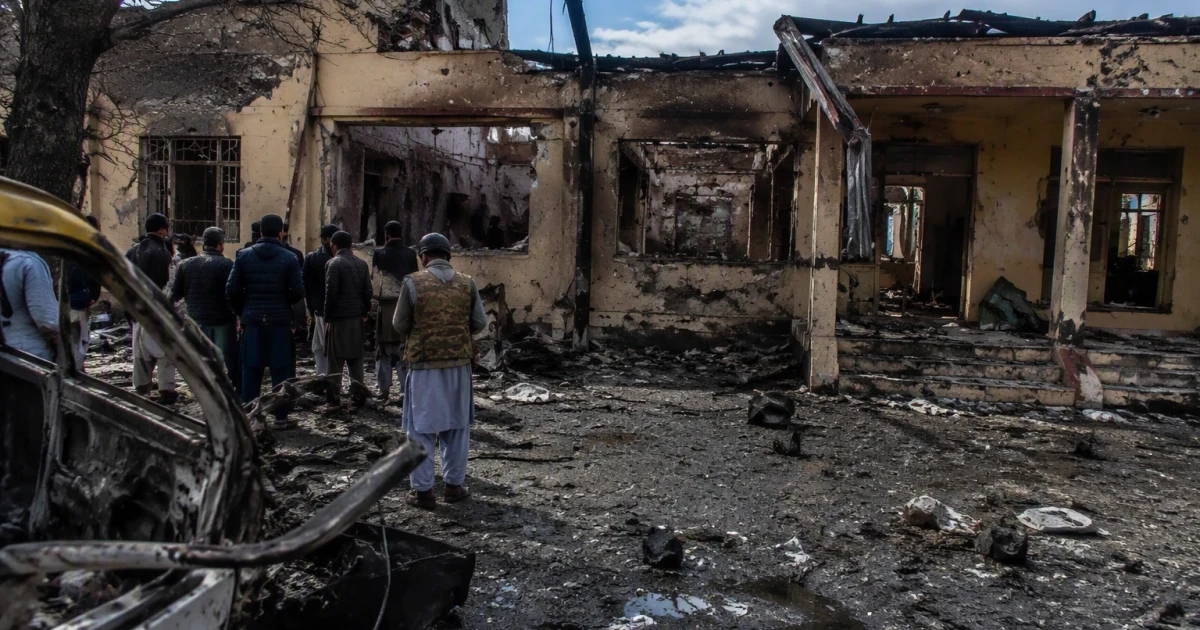
A suspected suicide bomber struck outside Kabal police station in Swat district, killing at least 17 people and wounding dozens more as a crowd gathered against rising violence in northwestern Pakistan. The blast on Sunday, August 2, 2026, hit one of the most exposed symbols of state authority in Khyber Pakhtunkhwa, where police have faced repeated militant attacks.
Initial accounts put the death toll at 14 before it rose to 17 after injured officers died in hospital. One later tally said seven of the dead were police officers, and separate accounts said 34 people were injured or that more than two dozen were wounded. The explosion happened outside the station as participants dispersed from a protest described in some reports as the Swat People's Peace Uprising and in others as a rally against a surge in violence.
The location sharpened the political and security stakes. Kabal sits in Swat, a district long associated with militant activity and counterinsurgency campaigns, and a police station there is more than a local office: it is a front-line state post that can hold weapons, records and detainees. By striking there, the attacker hit officers, protesters and local residents at once, while forcing investigators to consider whether the blast was an isolated breach or evidence of a wider militant network probing provincial security.
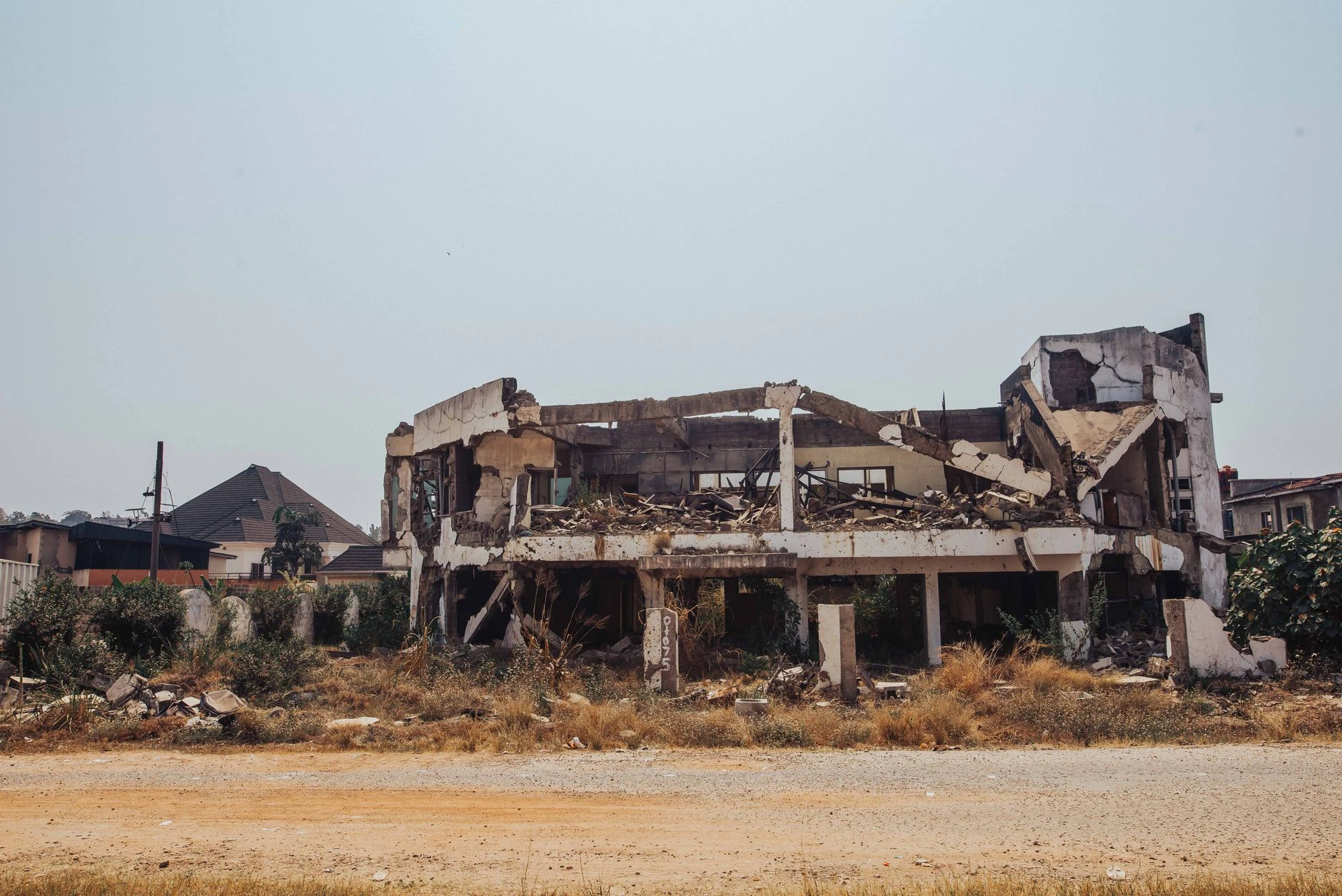
The bombing came just days after another deadly assault on police in the same broader region. On July 30, 2026, an attack in Hangu district near the Afghan border killed 10 police officers, underscoring the pressure on law enforcement in northwestern Pakistan. A Council on Foreign Relations conflict tracker published July 13 described South Asia as facing persistent violent extremism, a backdrop that has left Pakistan’s police posts vulnerable even as authorities try to reinforce them.
Pakistan vowed to press ahead with anti-militant operations after the Swat attack, signaling that the government intended to answer the bombing with more force rather than treat it as an isolated incident. For Khyber Pakhtunkhwa police and the provincial government, the strike tested whether they can protect not only stations and checkpoints, but also the public gatherings that have begun to rise in defiance of armed groups.
Sources
- [1]reuters.com
- [2]indiatribune.com
- [3]dawn.com
- [4]arabnews.com
- [5]aljazeera.com
- [6]jpost.com
- [7]cfr.org
- [8]aa.com.tr
- [9]straitstimes.com