Technology
Sustainability Startups Drive Innovation Across Japan
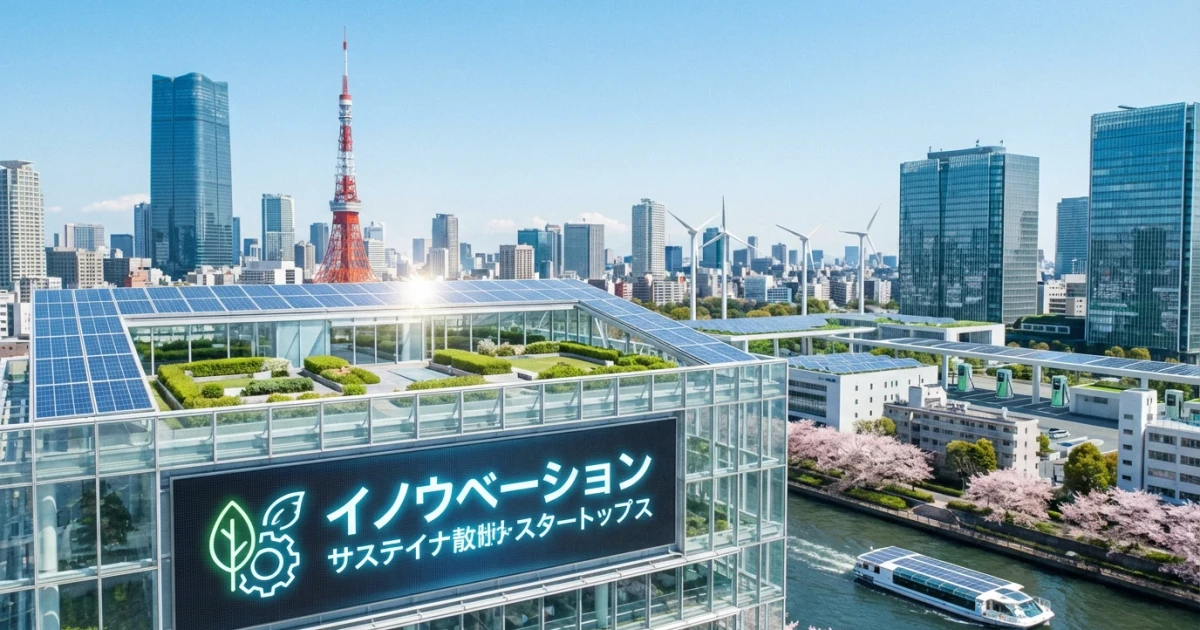
Japan’s sustainability startup scene is gaining significant momentum, with new companies pioneering technologies and business models aimed at environmental preservation and resource efficiency. As highlighted by TechRound, Japanese startups are moving to the forefront of green innovation, offering solutions that span energy, materials, and resource management.
Emerging Leaders in Sustainability
Several Japanese startups have emerged as key players in the sustainability market. These firms are not only attracting domestic attention but also gaining international recognition for their technological advancements and practical applications in the fight against climate change.
- ENECHANGE focuses on digital transformation in the energy sector, providing platforms for energy data management and optimizing energy consumption for businesses and consumers. Their open-source projects, available through ENECHANGE’s GitHub repositories, reflect their commitment to transparency and collaborative innovation in sustainable energy solutions.
- TBM Co., Ltd. specializes in developing advanced sustainable materials, most notably LIMEX, an alternative to plastics and paper made primarily from limestone. Their continuous innovation is reflected in their extensive patent filings, which showcase proprietary technologies aiming to reduce plastic waste and carbon emissions.
- Other notable startups include companies working on water purification, waste management, and sustainable agriculture, each addressing unique environmental challenges through tailored technological solutions. Databases such as Startup DB and Crunchbase’s Japan Sustainability Startups offer extensive listings and data on these innovators.
Government and Policy Support
The Japanese government has played a crucial role in fostering an ecosystem conducive to sustainability innovation. Its Green Innovation Policy provides regulatory frameworks, financial incentives, and pilot programs that support early-stage companies. The Ministry of the Environment’s initiatives are designed to accelerate the commercialization of green technologies and transition the country toward a low-carbon economy.
Support structures include:
- Funding for R&D and demonstration projects
- Partnerships with universities and established corporations
- Inclusion in the J-Startup program, which connects promising startups with investors and international markets
Market Trends and Growth
Japan’s sustainability market is experiencing robust growth, driven by both consumer demand and corporate commitments to environmental, social, and governance (ESG) principles. According to market analysis, sectors such as renewable energy, sustainable materials, and waste management are seeing increased investment and market penetration.
Key trends include:
- Adoption of digital platforms for energy management and carbon tracking
- Growth in sustainable packaging and alternative materials sectors
- Rising exports of Japanese green technologies to Southeast Asia and Europe
Challenges and Outlook
Despite the positive momentum, Japanese sustainability startups face challenges, including scaling up production, navigating evolving regulations, and competing for global talent. However, ongoing government support and a strong domestic market provide a foundation for continued growth and international expansion.
As Japan pushes toward its net-zero emissions goals, the role of sustainability-focused startups will likely become even more prominent. Their innovative approaches and technologies are not only transforming Japan’s economy but also setting new standards for sustainable development worldwide.