Technology
Sweat sensors promise hydration insights, but accuracy remains a concern

Wearable sweat sensors are moving out of labs and into consumer wellness, promising real-time insight into hydration, electrolyte balance, and other biomarkers. The appeal is obvious: a patch and an app can seem to turn something as subjective as thirst into a measurable number. Yet the science behind that promise is still uneven, and the same devices that can help athletes fine-tune fueling can also give buyers a false sense of precision.
What sweat sensors can actually measure
The newest generation of sweat tech is built around a simple idea: collect and analyze sweat without sending it to a lab. Recent reviews describe these systems as flexible, wearable tools for continuous, noninvasive monitoring, and Nature notes that interest in the field has grown rapidly over the past decade. In practice, consumer and sports products now include disposable and reusable patches, smart analyzers, and app-linked sensors that try to translate sweat chemistry into hydration guidance.
Some of the clearest examples come from sports performance. Epicore Biosystems’ Gx Sweat Patch tracks sweat rate and sweat chloride concentration, and the company has commercialized the system with Gatorade and PepsiCo for personalized hydration management. FLOWBIO launched its S1 sensor in March 2024, pairing a wearable sensor with an app that measures fluid and sodium losses during exercise. Other companies, including hDrop and Nix Biosensors, are also selling sweat-based hydration monitors, which shows how quickly this category has expanded from a niche research tool into a retail product.
Why the market is growing so fast
The commercial push reflects a broader appetite for wearable health tech that can monitor the body continuously, not just during a clinic visit. Sweat sensing fits neatly into that trend because it offers something older testing methods could not: real-time feedback in the field, where athletes, workers, and soldiers are actually sweating. Historically, sweat testing often required lab equipment or professional expertise, but newer devices are trying to bring that process into everyday use through consumer-facing apps and personalized recommendations.
That shift matters because the stakes are not limited to performance optimization. The same sensors that can help a runner adjust fluid intake may also be useful for laborers, military users, and others exposed to heat stress. Proponents argue that better sweat monitoring could help people avoid dehydration, overhydration, and the kinds of heat-related problems that are increasingly hard to manage in a warming climate and in physically demanding jobs.
Where the promise runs into reality
The main problem is that sweat is not a universal signal. Recent research says sweat and sodium losses vary greatly across athletes, which is why hydration planning is increasingly framed around individualized replacement rather than one-size-fits-all advice. That is a useful correction to old sports-drink messaging, but it also makes consumer-friendly interpretation harder. If your sweat profile differs from the person next to you, a single app-generated target can look authoritative without actually being transferable.
Accuracy is another sticking point. Reviews and studies note technical challenges such as low sweat volumes, collection issues, and the need for smart data analysis before the numbers become meaningful. Research also indicates that sweat sodium readings can change depending on the measurement site and the intensity of exercise, which means the same body can produce different readings under different conditions. For consumers, that can turn a sleek dashboard into a confusing one, especially if the device does not clearly explain how to read the results.
Why experts worry about too much data
This is where the consumer reality check matters most. Sweat sensors can be useful, but they do not automatically produce good decisions. Critics worry that the devices create a false sense of precision, where a single number feels more exact than the science allows, or overwhelm users with data they do not know how to interpret. In wellness tech, more information is not always better information, particularly when the user is expected to translate a stream of metrics into hydration choices on the fly.
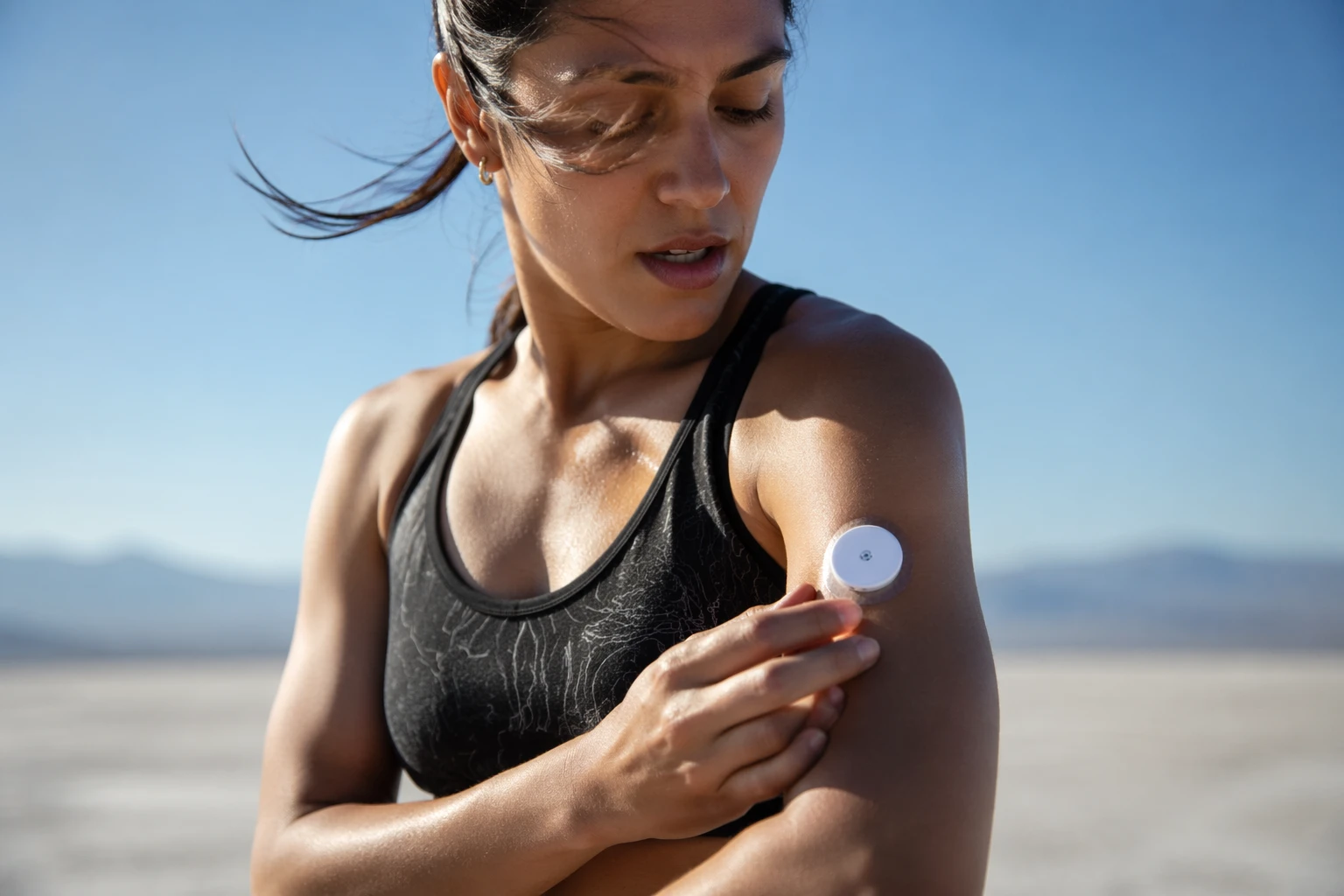
The concern is not that the technology is worthless. It is that the product story can run ahead of the evidence, especially when marketing implies a level of universal personalization the science does not support. A patch that helps an elite cyclist understand sodium losses in a specific training block may not provide the same value to a casual gym-goer, and it certainly does not erase the need for judgment about weather, workload, body size, and access to fluids.
Who stands to benefit most
The best use cases are situations where fluid loss is high, heat is a real risk, and the user needs more than guesswork. Competitive athletes may gain the most immediate benefit because they can compare measurements across workouts and adjust fueling plans over time. Outdoor workers, military personnel, and others in heat-exposed settings may also benefit if the data are used to reduce risk rather than chase a perfect number.
That broader public-health angle is important. Heat illness does not affect everyone equally, and wearable sensors could become another example of a health innovation that is most accessible to people already embedded in performance culture, rather than the people who face the most dangerous heat exposure. If the technology is to matter beyond the wellness market, it will need clearer guidance, better education, and a more honest explanation of what the numbers mean in the real world.
What to look for before buying one
A sweat sensor is most credible when it is treated as a decision-support tool, not an oracle. Before trusting one, it helps to ask whether it measures sweat rate, sweat chloride, fluid loss, sodium loss, or all of the above, and whether the app explains how those numbers should be interpreted across different workouts.
• Look for whether the device is designed for repeated use or a one-time patch.
• Check whether the company explains how sweat volume, collection method, and exercise intensity affect the readings.
• Be wary of claims that sound universal, especially if they promise one hydration plan for every body.
• Pay attention to whether the product is aimed at performance optimization or broader health monitoring, because those goals are not the same.
Sweat sensors are a real advance, but they are still tools with limits. The most responsible versions of the technology acknowledge that hydration is personal, measurement is imperfect, and the body is more variable than any dashboard wants to admit.
Sources
- [1]bbc.com
- [2]nature.com
- [3]flowbio.com
- [4]news.paceupmedia.com
- [5]ncbi.nlm.nih.gov
- [6]sciencedirect.com
- [7]epicorebiosystems.com
- [8]fda.gov