World
Sweden approves law to revoke residency permits for bad behavior

Sweden’s parliament has approved one of the country’s toughest immigration measures in years, giving authorities power to revoke residency permits from migrants over “bad behavior” that can include unpaid debts, undeclared work, tax evasion and links to extremist organizations. The new rule applies not only to new applicants but also retroactively to permits already granted, a sharp expansion of state power over residents whose conduct may never have led to a criminal conviction.
The government and its parliamentary support party, the Sweden Democrats, have cast the overhaul as part of a broader drive to crack down on crime, welfare abuse and immigration ahead of Sweden’s September 2026 national election. Migration Minister Johan Forssell has defended the push as a way to make residency conditional on basic standards of conduct, arguing that people who do not make the effort to do the right thing should not assume they can stay.
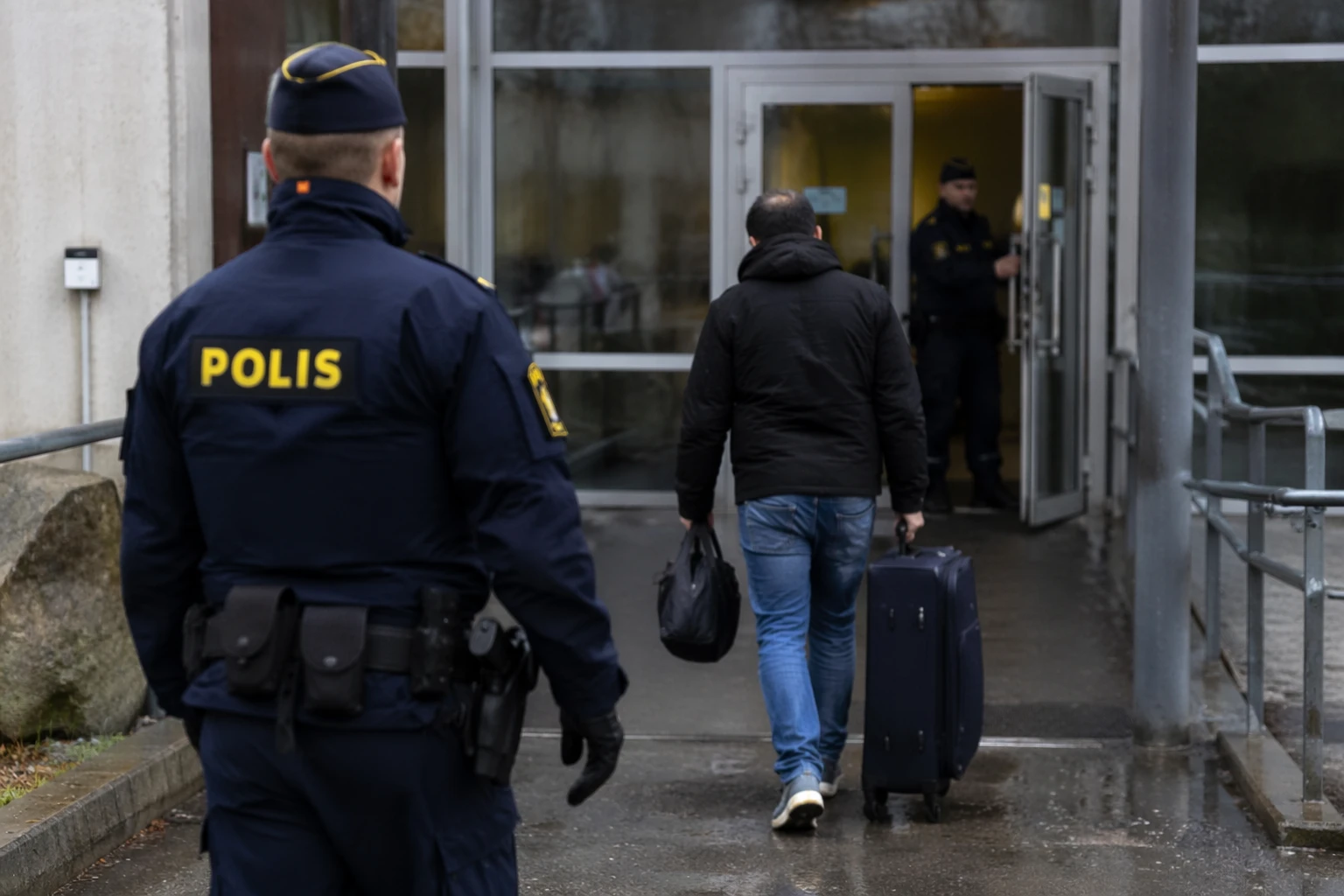
What “bad behavior” means in practice is the source of the fiercest dispute. Under the bill, the Swedish Migration Agency will review permits, and decisions can be appealed to a migration court. But rights advocates say the law leaves too much room for subjective judgment, especially because it reaches conduct that is not necessarily a criminal offense. Critics warn that unpaid debts, work arranged outside formal tax rules or associations deemed suspicious by the government could all become grounds for losing legal status, even when no serious crime has been proven.

The controversy follows months of tightening. On March 24, the government announced an “honest living” rule that would allow residence permits to be revoked for conduct such as ignoring debts, cheating the benefits system, cheating to obtain a permit, working without paying taxes or failing to settle fines. Reuters-linked reporting said the measure was expected to take effect on July 13 if approved. Amnesty International said an April inquiry had proposed a vaguely defined “good conduct” requirement in the Aliens Act that could allow permits to be denied or revoked for behavior that is neither illegal nor punishable for Swedish citizens. Sweden’s Equality Ombudsman also opposed the proposal, warning that it risked discrimination.
The new law is part of a wider migration clampdown. On June 9, the Riksdag approved the abolition of permanent residence permits for people in need of protection, long-term residents and their relatives, a reform set to take effect on July 12, with some reception rules following on October 2. In January, the government and Sweden Democrats also agreed to set the wage threshold for labor immigrants at 90% of Sweden’s median wage, or SEK 33,390 per month. Supporters see the changes as restoring accountability, while critics say Sweden is moving from policing crime to policing conduct, with immigrants carrying the uncertainty.
Sources
- [1]usnews.com
- [2]infomigrants.net
- [3]riksdagen.se
- [4]amnesty.org
- [5]government.se
- [6]visaverge.com