World
Sweden man jailed for coercing wife into paid sex acts

A Swedish court has jailed a 61-year-old man for four years and five months after finding that he coerced his wife into sexual acts with men he found online in exchange for payment. The Härnösand district court also ordered him to pay 200,000 kronor in damages, marking a case that has sharpened scrutiny of how digital platforms can help turn intimate abuse into a scalable form of exploitation.
Prosecutors said the abuse ran from August 2022 to October 2025, when the woman reported him to police and he was arrested in late October. Investigators identified about 120 men who allegedly bought sexual services from her during that period, showing how the coercion extended far beyond a single household and into a wider network of buyers. The court convicted him not only of coercive sexual exploitation but also of attempted rape, two counts of assault, six counts of unlawful threats and a minor doping offense.
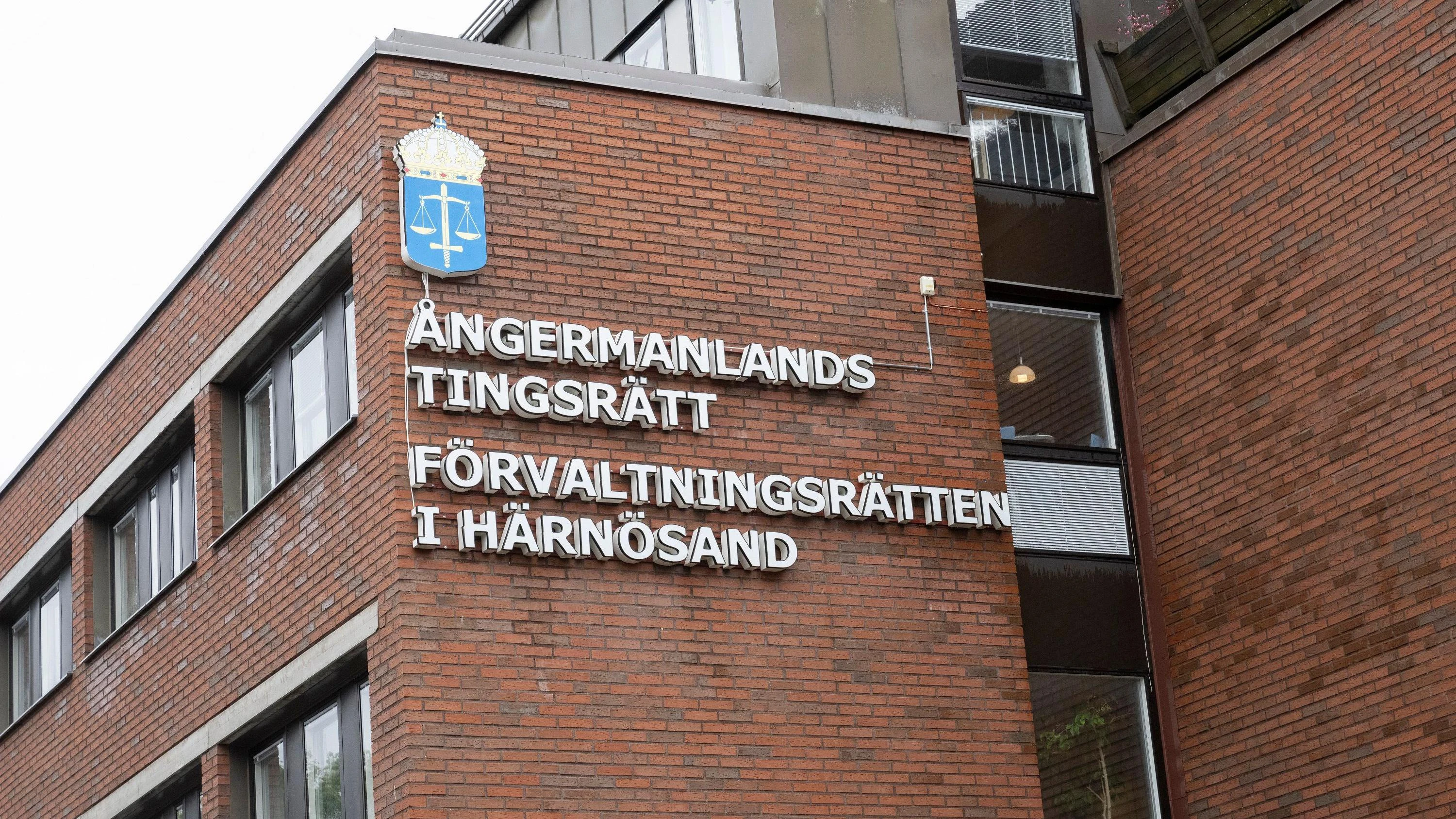
The trial was heard in Härnösand, in the Ångermanland region of northern Sweden, where prosecutors had brought charges in March 2026 for aggravated pimping, several rapes and assault. At an earlier stage, investigators also said they were considering charges linked to online sexual acts. The sentencing underscored how Swedish courts are treating abuse carried out through digital facilitation as part of a broader pattern of violence, intimidation and control rather than isolated sexual encounters.
The case drew attention in Sweden and prompted comparisons with the French Pelicot case. Sweden’s Minister for Gender Equality, Nina Larsson, said the revelations were shocking and said men must “stop buying and selling women’s bodies.” Her remarks reflected a legal framework that treats the person selling sex as exploited rather than criminalised, while making it illegal to buy sexual services or take advantage of services paid for by someone else.

Sweden introduced its sex-purchase law in 1999 as part of a wider anti-violence policy. The verdict in Härnösand now adds another stark example of what that framework is meant to confront: not consensual commerce, but coercion, dependency and abuse hidden behind payment and online access.
Sources
- [1]bbc.com
- [2]straitstimes.com
- [3]thehill.com
- [4]thelocal.se
- [5]thejournal.ie
- [6]government.se
- [7]swedishgenderequalityagency.se