Science
Swift rescue could set a precedent for Hubble’s future
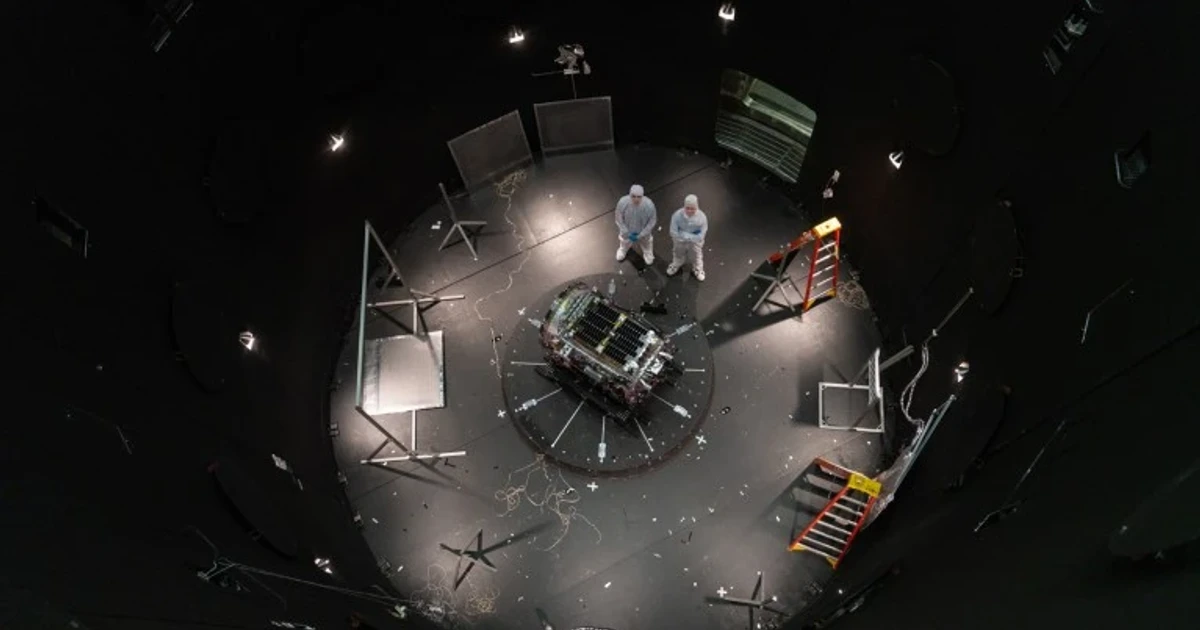
Katalyst Space Technologies’ LINK spacecraft passed environmental testing at NASA’s Goddard Space Flight Center on May 8, clearing a key step toward NASA’s attempt to rescue Swift before the observatory drops back into Earth’s atmosphere. The bigger question hanging over the mission is the one NASA now faces more often: when is an aging spacecraft still valuable enough to save, and when is the risk too high to justify the cost?
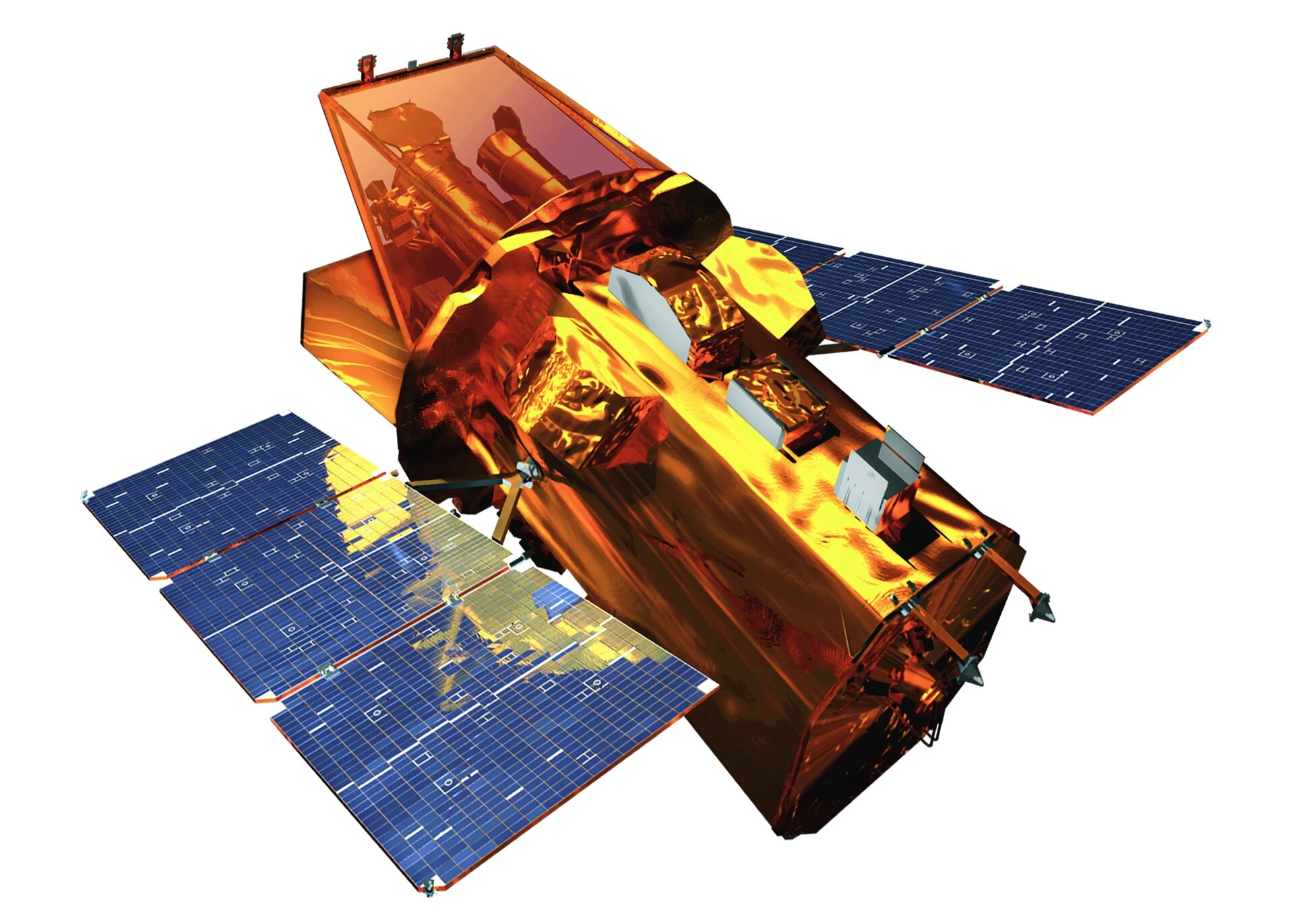
Swift, launched in 2004, has spent two decades studying gamma-ray bursts, which NASA calls the most powerful explosions in the universe. NASA has described the observatory as a kind of dispatcher for sudden cosmic events, relaying alerts that help other missions turn quickly to follow-up observations. Even as its systems weaken, Swift still has scientific value, which is why NASA temporarily suspended most of its science operations on February 11 to reduce atmospheric drag and slow the spacecraft’s decline.
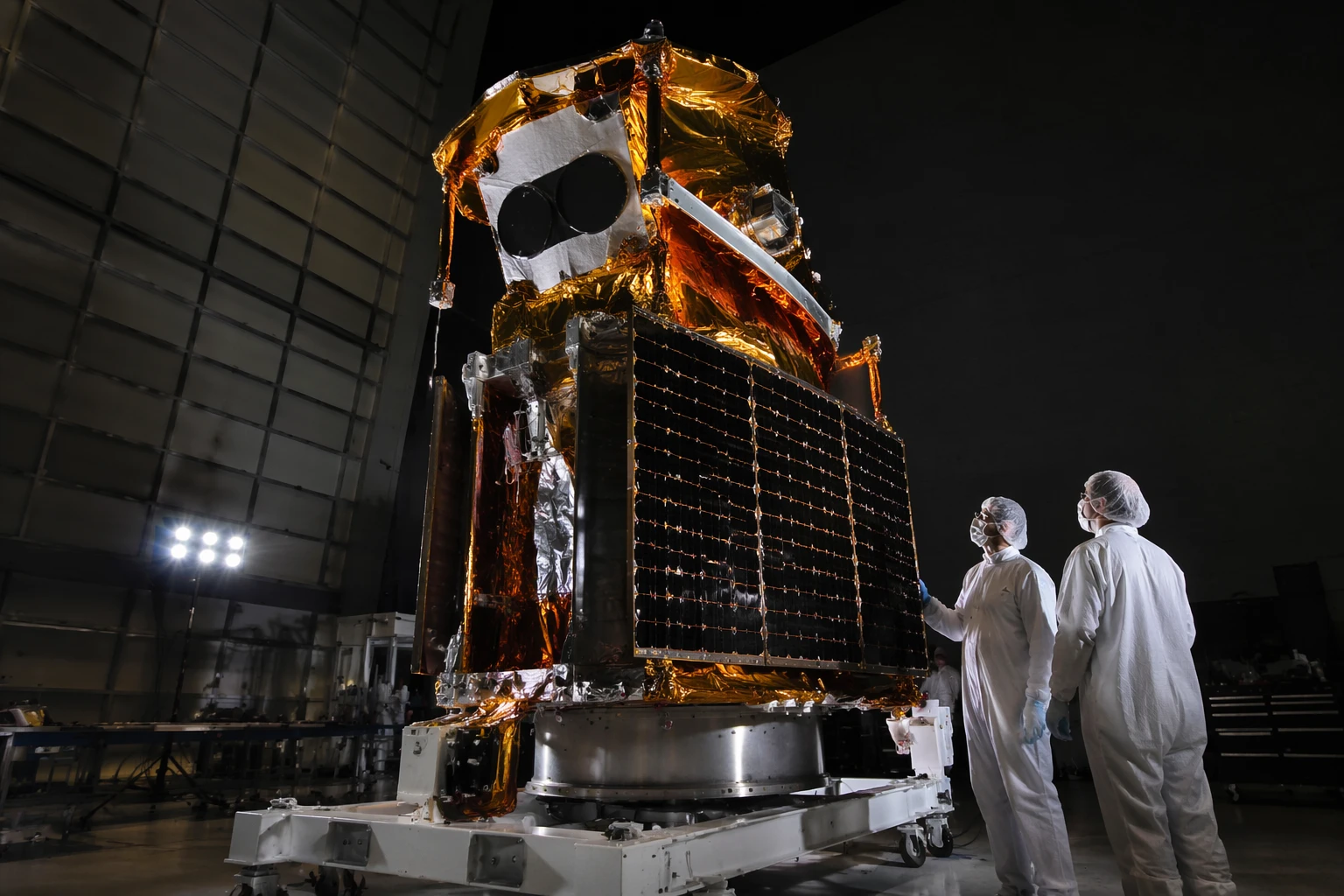
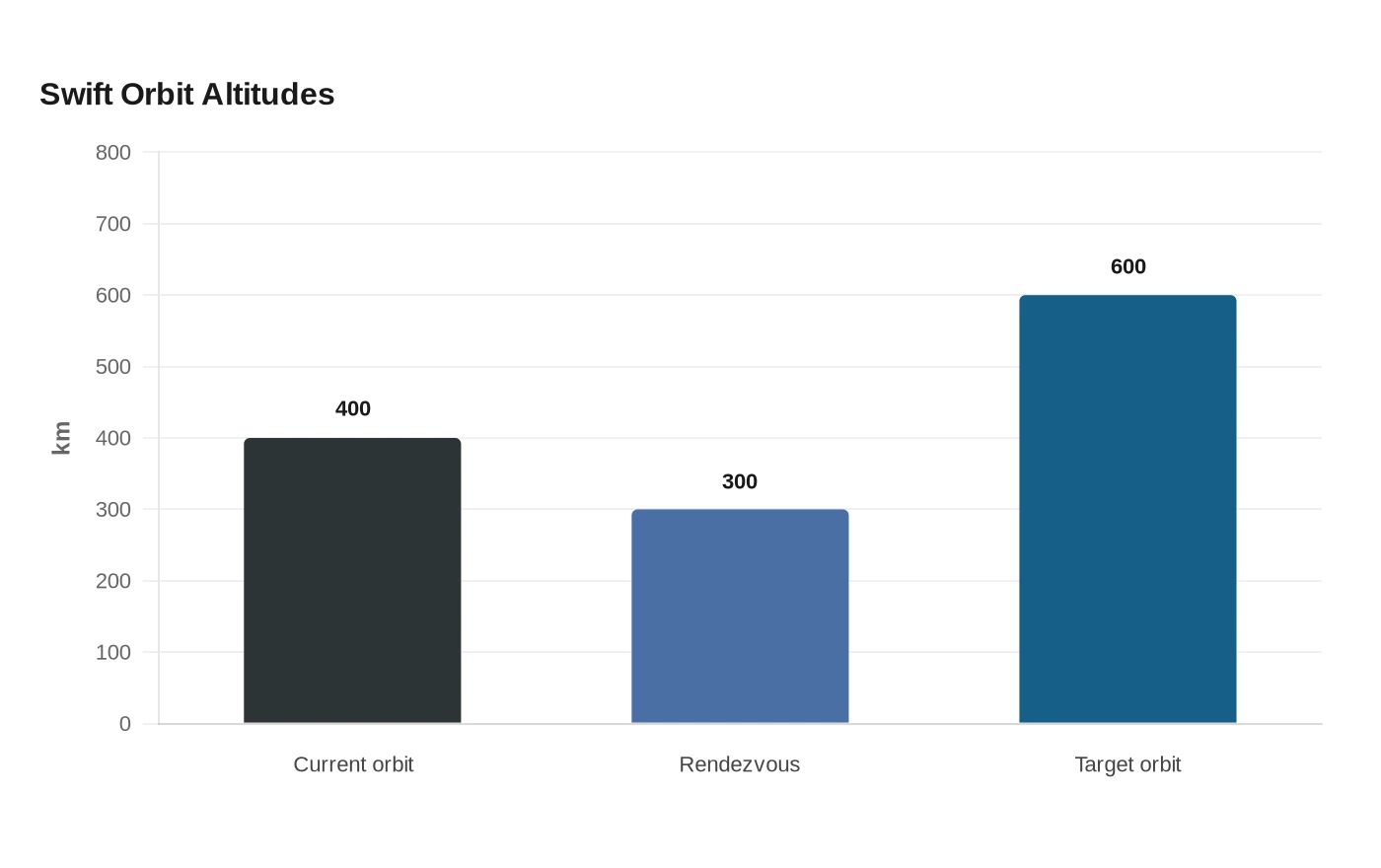
The problem is altitude. NASA said Swift’s average orbit had already fallen below about 250 miles, or 400 kilometers, by early February. The boost mission needs the spacecraft to be above about 185 miles, or 300 kilometers, for rendezvous, and the goal is to raise it to about 600 kilometers. NASA awarded Katalyst a contract in September 2025 for the attempt and has targeted the mission for June 2026. Without a successful boost, NASA says Swift could re-enter Earth’s atmosphere in fall 2026.
Solar activity has made the challenge more urgent. NASA says increased solar activity has heated and expanded Earth’s upper atmosphere, increasing drag on low-Earth-orbit spacecraft and accelerating Swift’s decay. A National Academies note added to the sense of urgency in late January, saying revised predictions pointed to a 10% chance that Swift could fall below 300 kilometers in the May and June timeframe, the minimum altitude needed for rendezvous.
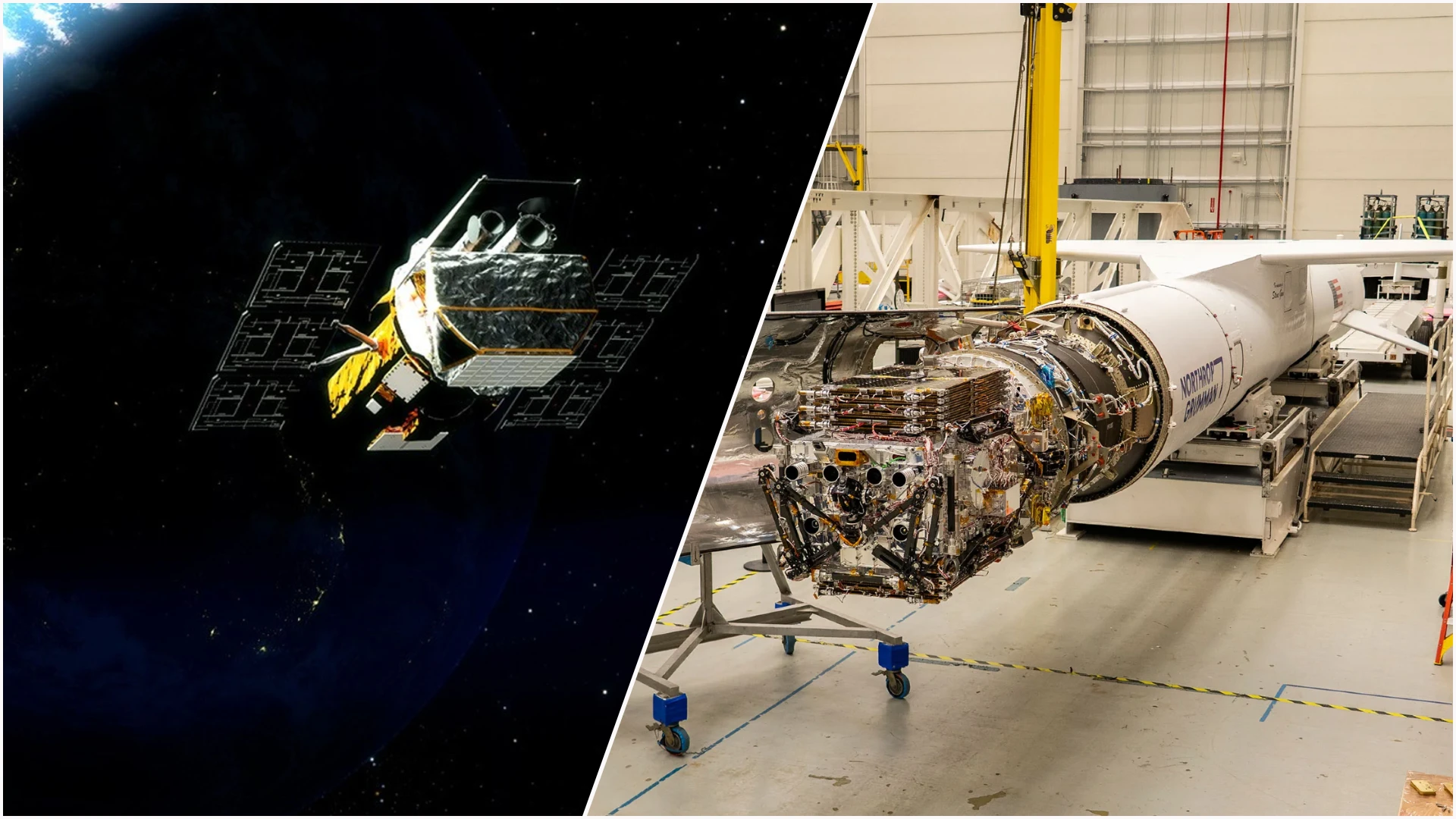
The rescue is also a test of a much broader capability. NASA says this would be the first time a commercial robotic mission captures a NASA spacecraft that was uncrewed and not originally designed to be serviced in space. The mission uses Northrop Grumman’s Pegasus XL rocket and L-1011 carrier aircraft, launching from Kwajalein Atoll in the Marshall Islands. NASA has cast it as a fast, high-risk, high-reward demonstration of U.S. spacecraft servicing technology.
That makes Swift more than a single troubled observatory. If Katalyst’s attempt works, NASA would not only preserve a productive telescope; it would also strengthen the case for rescuing other costly assets, including the Hubble Space Telescope, instead of letting valuable orbiting hardware burn up when its first life cycle ends.
Sources
- [1]nature.com
- [2]science.nasa.gov
- [3]nasa.gov
- [4]assets.science.nasa.gov
- [5]nationalacademies.org
- [6]spacenews.com