World
Swiss critic Jean Ziegler dies at 92 after landmark career
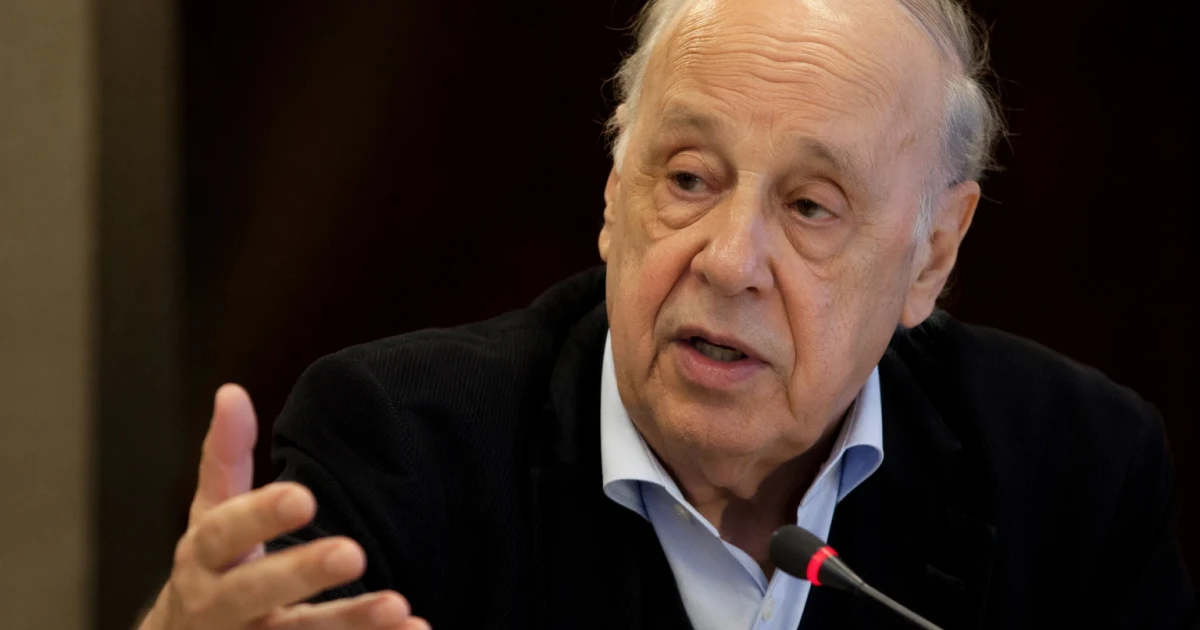
Jean Ziegler spent his career puncturing the national story Switzerland liked to tell about itself, and even in death he forced the country back into that argument. The sociologist, former parliamentarian and United Nations human-rights expert died in Geneva on June 10, 2026, at 92 from complications of Parkinson’s disease.
Born Hans Ziegler on April 19, 1934, in Thun, he became one of the most polarizing public figures in modern Swiss life. He served in the Swiss federal parliament as a Social Democrat from 1981 to 1999, then moved onto the global stage as the first UN Special Rapporteur on the right to food, a post he held from 2000 to 2008. He later served on the UN Human Rights Council Advisory Committee from 2008 to 2012.
At home, Ziegler was known less for institutional politeness than for his relentless attacks on power. His 1976 book A Switzerland Above Suspicion went after Swiss political and economic elites, while Switzerland, Gold and the Dead, published in 1997, condemned the role of Swiss banks during the Nazi era. He was also a fierce critic of capitalism, multinational corporations and the country’s self-image as a neutral, orderly oasis of prosperity. That posture brought him admiration on the left and hostility elsewhere, including death threats.
Swiss broadcasters and newspapers revisited that contradiction after his death: a man who spent decades attacking the myths of wealth and moral innocence had become, for many on the Swiss left, a kind of conscience. RTS described him as a major intellectual figure of the Swiss left, while Swissinfo called him a self-described revolutionary and one of the country’s most important thinkers.

A formative turn came in 1964, when, at 30, Ziegler accompanied Che Guevara in Geneva during the first Sugar Conference. Guevara urged him not to leave for South America, but to stay in Switzerland and fight from within the system. Ziegler later treated that exchange as a turning point, and he spent the next half-century doing exactly that, confronting the banking system, the country’s economic elites and the moral costs hidden behind Swiss prosperity.
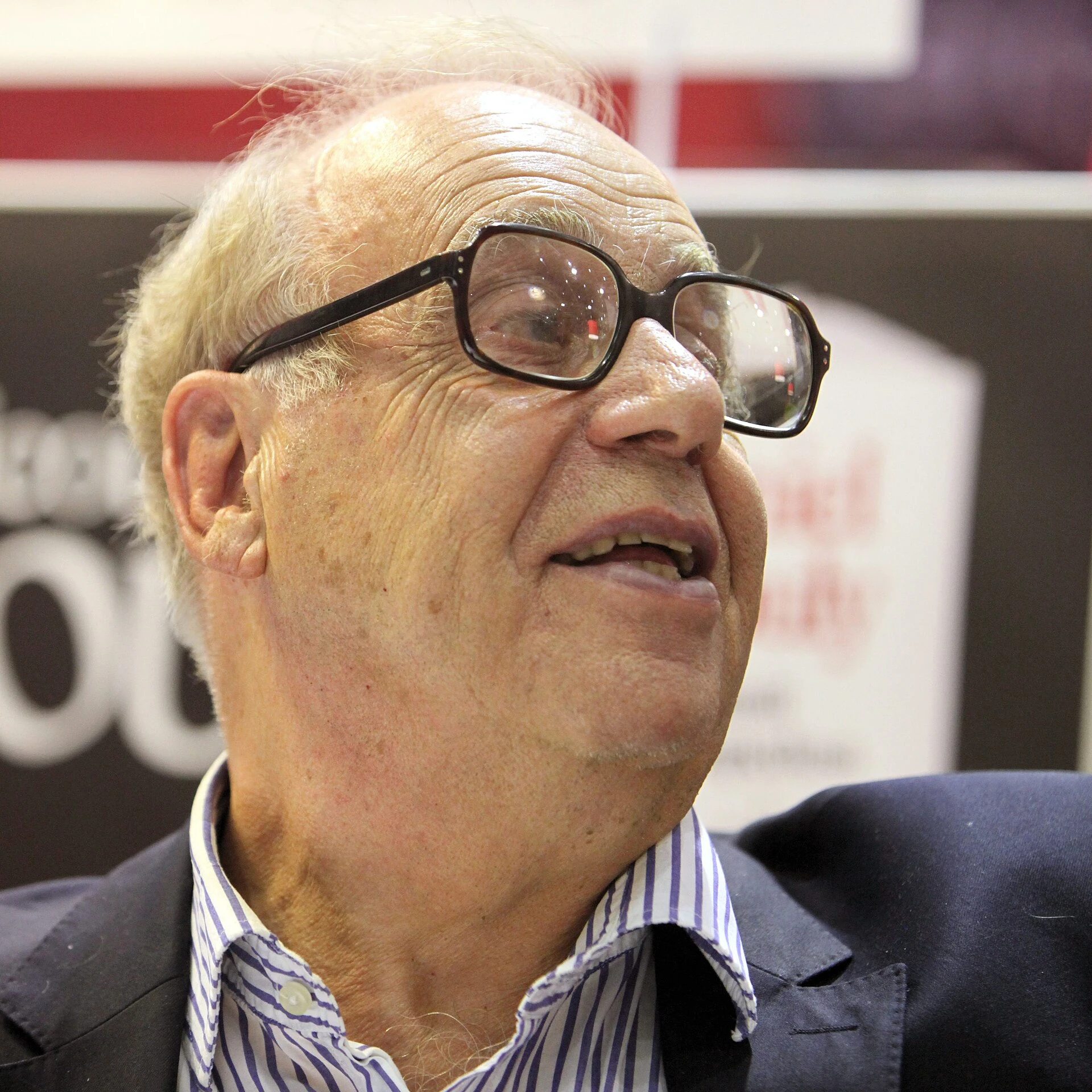
His death leaves Switzerland with a sharper version of the same question he spent his life asking: what does neutrality mean when wealth is built on silence, and what does a democracy owe the people who refuse to let it look away?
Sources
- [1]nytimes.com
- [2]rts.ch
- [3]swissinfo.ch
- [4]righttofood.org
- [5]english.anf-news.com