World
Swiss lower house rejects Mercosur trade deal amid farmer backlash
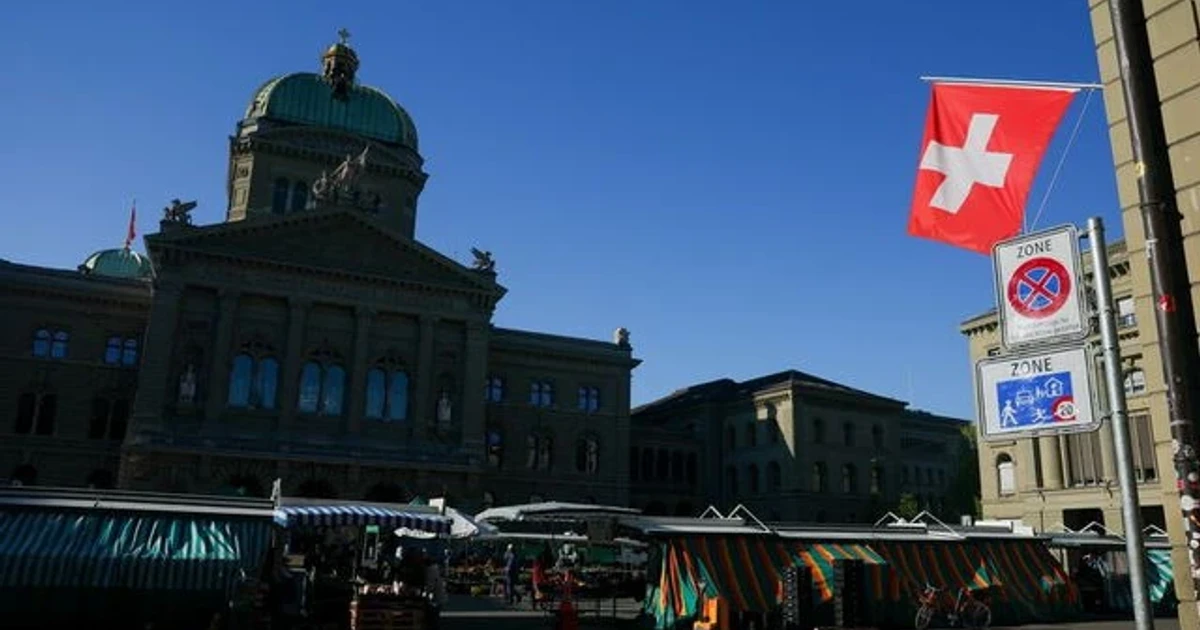
Swiss lawmakers dealt a fresh blow to one of the country’s biggest trade ambitions, rejecting the Mercosur agreement in the lower house by 96 votes to 86, with nine abstentions. The split exposed how quickly trade can become a proxy battle over farming, labor rights and environmental safeguards, even in an export-heavy economy that relies on open markets.
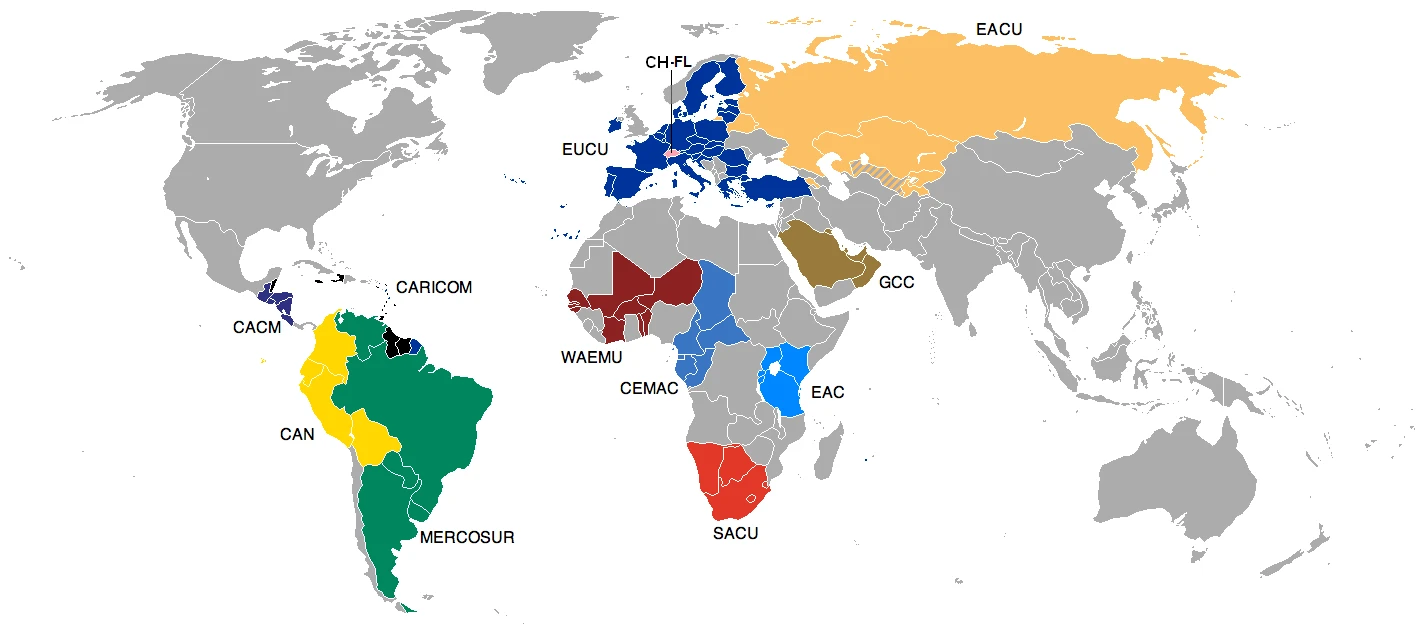
Opposition came from two sharply different camps. Conservative lawmakers said the pact could pressure Swiss farmers by exposing them to competition from some of the world’s largest agricultural exporters. Left-wing politicians objected to labor practices and the destruction of the rain forest, turning the debate into a broader test of whether Switzerland should deepen ties with a bloc that includes Argentina, Brazil, Paraguay and Uruguay.


The agreement was signed in Rio de Janeiro on 16 September 2025 after 14 rounds of negotiations, and the Swiss Federal Council sent it to parliament on 25 February 2026. Bern has argued that the deal would give Swiss companies access to a market of about 270 million people, eliminate tariffs on around 96% of Swiss exports to Mercosur after transition periods and save Swiss firms more than 155 million Swiss francs a year. Swiss exports to the bloc topped 4 billion Swiss francs in 2024, up 32% from 2014, underscoring why the government has treated the pact as a central part of its trade strategy.

The government has also pointed to 25 bilateral import quotas for sensitive farm products, saying the volumes are limited and in some cases close to current import levels. It says the accord includes a legally binding chapter and an addendum on trade and sustainable development, with commitments on environmental protection and workers’ rights. Officials have argued that Switzerland needs the deal to avoid falling behind the European Union, which concluded its own Mercosur agreement in 2024.
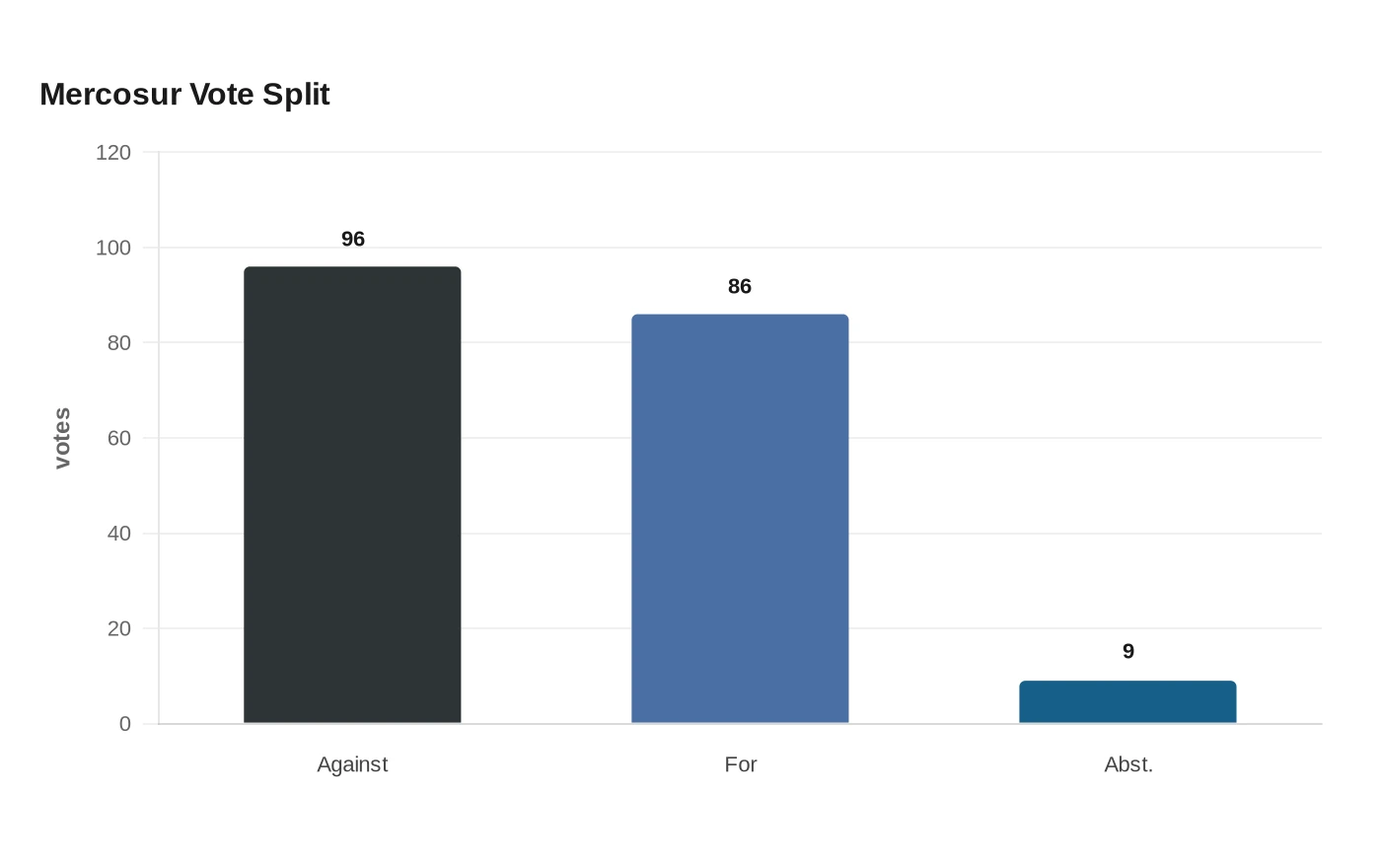
The rejection in the lower house does not end the process. The upper chamber still must weigh in, and the agreement could return for another vote. But the 96-86 margin was a reminder that even in a country known for political compromise, trade pacts now face tougher scrutiny when they collide with domestic agriculture and concerns about globalization’s social and environmental costs.
Sources
- [1]usnews.com
- [2]sbfi.admin.ch
- [3]admin.ch