World
Switzerland keeps building nuclear shelters, some now house migrants
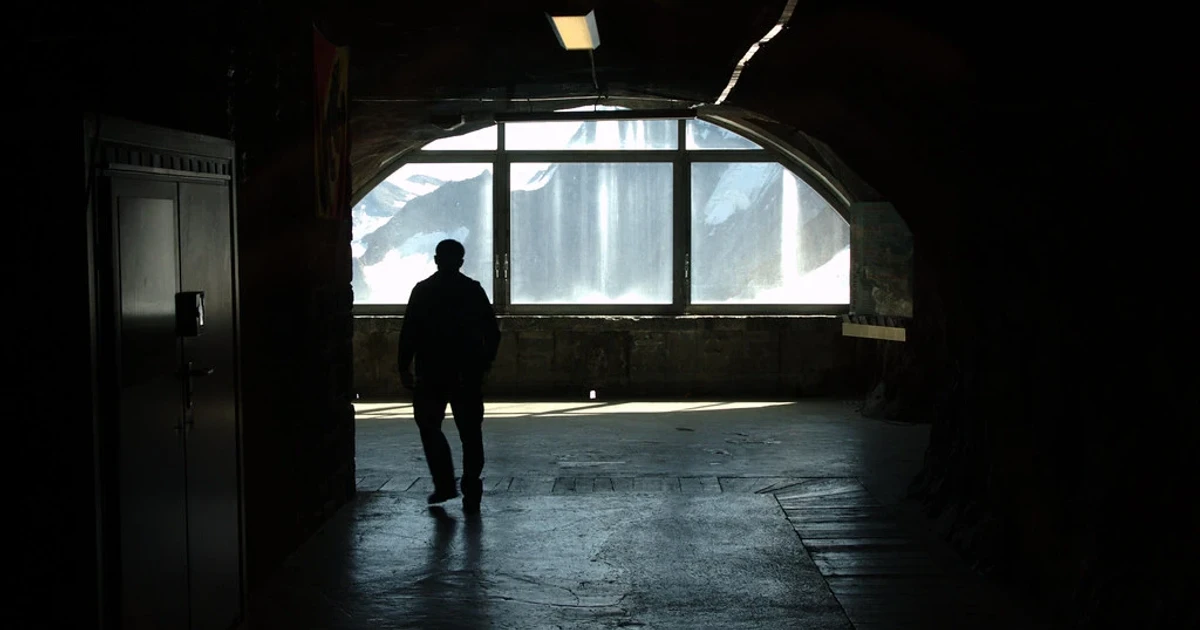
Switzerland still has more than 370,000 nuclear bomb shelters, and some of the country’s Cold War bunkers now house migrants. The network survives because a civil-protection obligation introduced in the 1960s never disappeared, even as most democracies dismantled their public fallout systems.
The Federal Office for Civil Protection says shelters have been systematically built for the population since the requirement began, and its 2024 guidance defines a shelter as a subterranean construction in a building basement that can protect people from armed conflict, natural disasters or human-made disasters. Swiss civil protection materials say the country has about 9 million shelter places, roughly 114% of the population, meaning there is theoretically room for nearly everyone.
That capacity is the result of a Cold War policy built at scale. Reuters reported in 2012 that more shelters went up in the 1960s, when Switzerland was committed to providing space in a nuclear fallout shelter for every resident. The system was later narrowed: Reuters reported in 2011 that new rules taking effect in January 2012 required shelters only in buildings with 38 rooms or more, replacing a broader obligation.
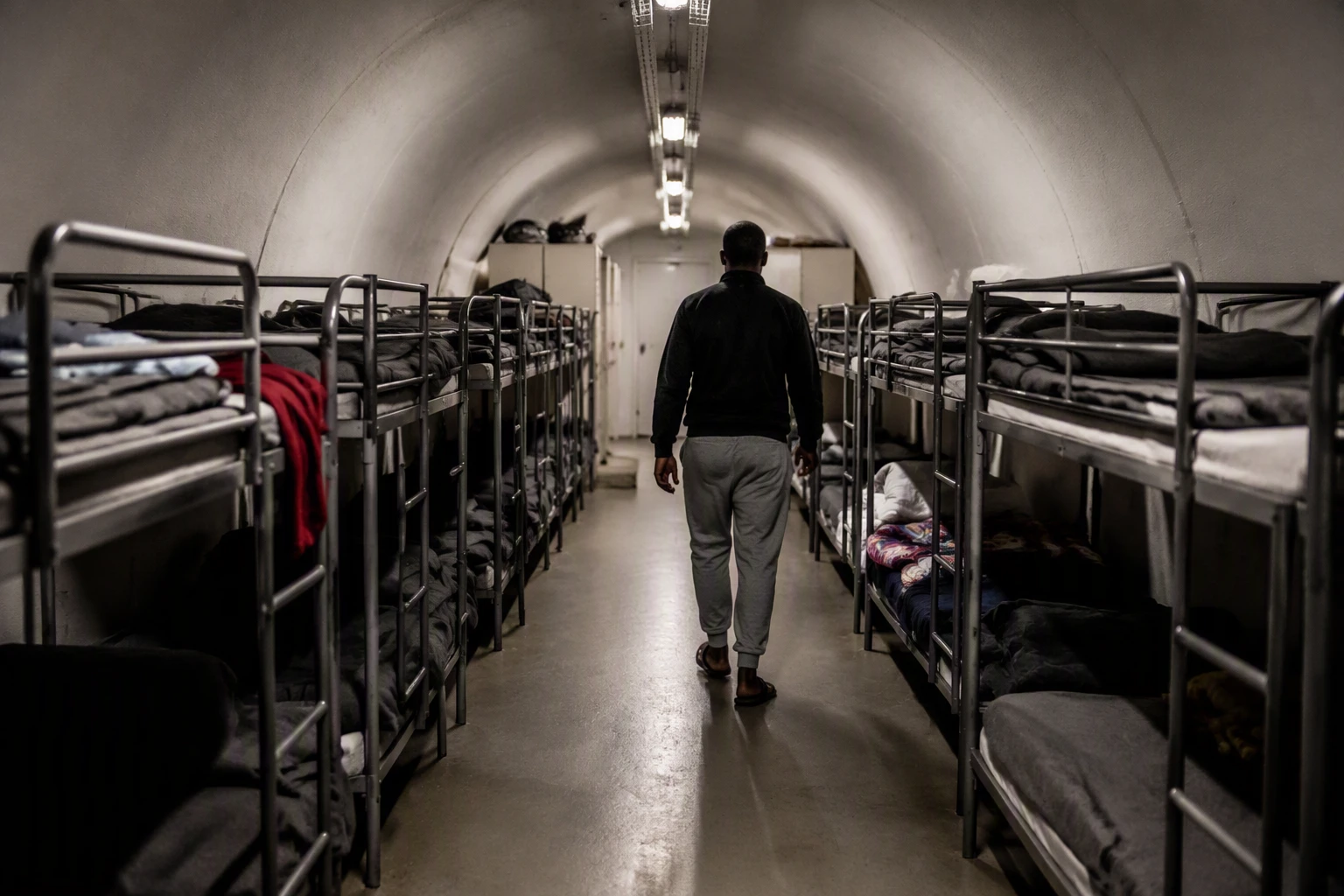
The shelters are not hidden in remote military zones. Swissinfo says many are in the basements of residential buildings, woven into ordinary urban and suburban life. Reuters reported in December 2024 that Switzerland planned to revamp its ageing bunker network, as these structures were increasingly seen as an asset again amid heightened security concerns.
The bunkers’ second lives show how the country’s civil-defense infrastructure has adapted to modern pressures. Reuters reported in 2012 that some military bunkers were offered as art storage, while CBC reported in 2024 that many Cold War-era bunkers have become wine cellars and storage units. In other cases, the same underground rooms have been used to house migrants, turning a system designed for nuclear survival into a stopgap for present-day humanitarian strain.
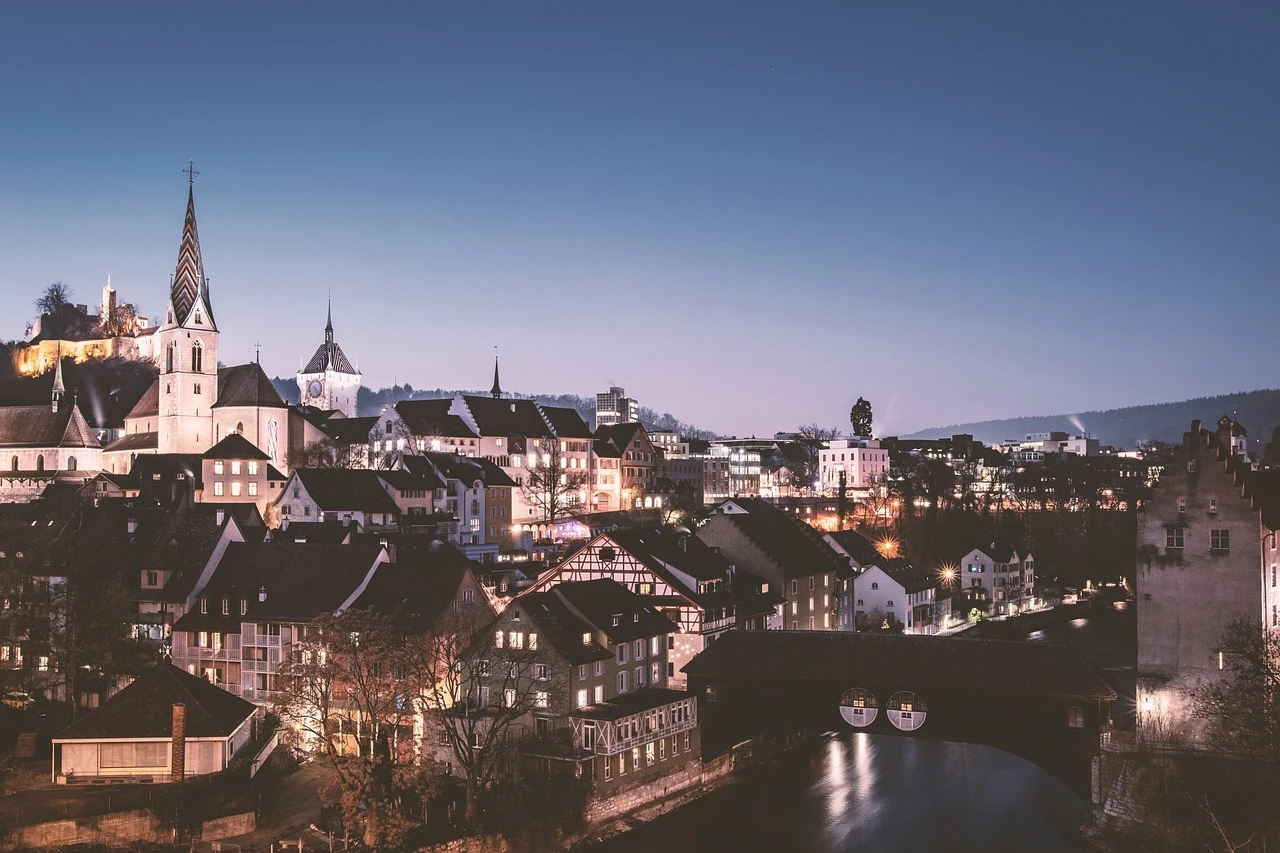
For Switzerland, the shelter network is a national paradox of preparedness: a neutral country that kept building for war long after the Cold War eased, and is now finding that the infrastructure still has a use in an era of renewed insecurity across Europe.
Sources
- [1]npr.org
- [2]babs.admin.ch
- [3]reuters.com
- [4]cbc.ca
- [5]swissinfo.ch
- [6]houseofswitzerland.org