World
Switzerland to vote on 10 million population cap, EU ties at risk

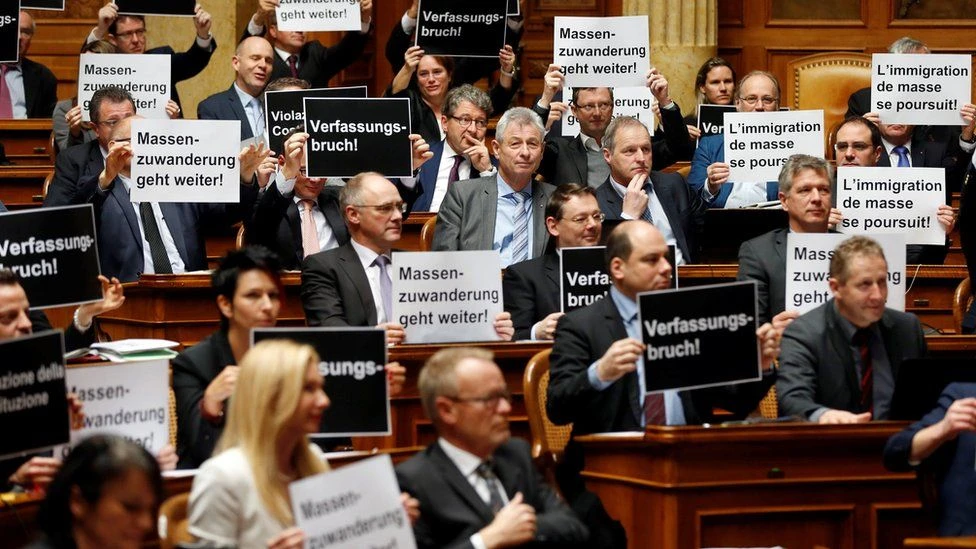
Switzerland will vote on Saturday on a proposal to cap its permanent resident population at 10 million, a measure that could force Bern to end its free-movement deal with the European Union and unsettle Schengen and Dublin cooperation. The Swiss People’s Party is branding the plan a sustainability initiative, while opponents call it a recipe for chaos.
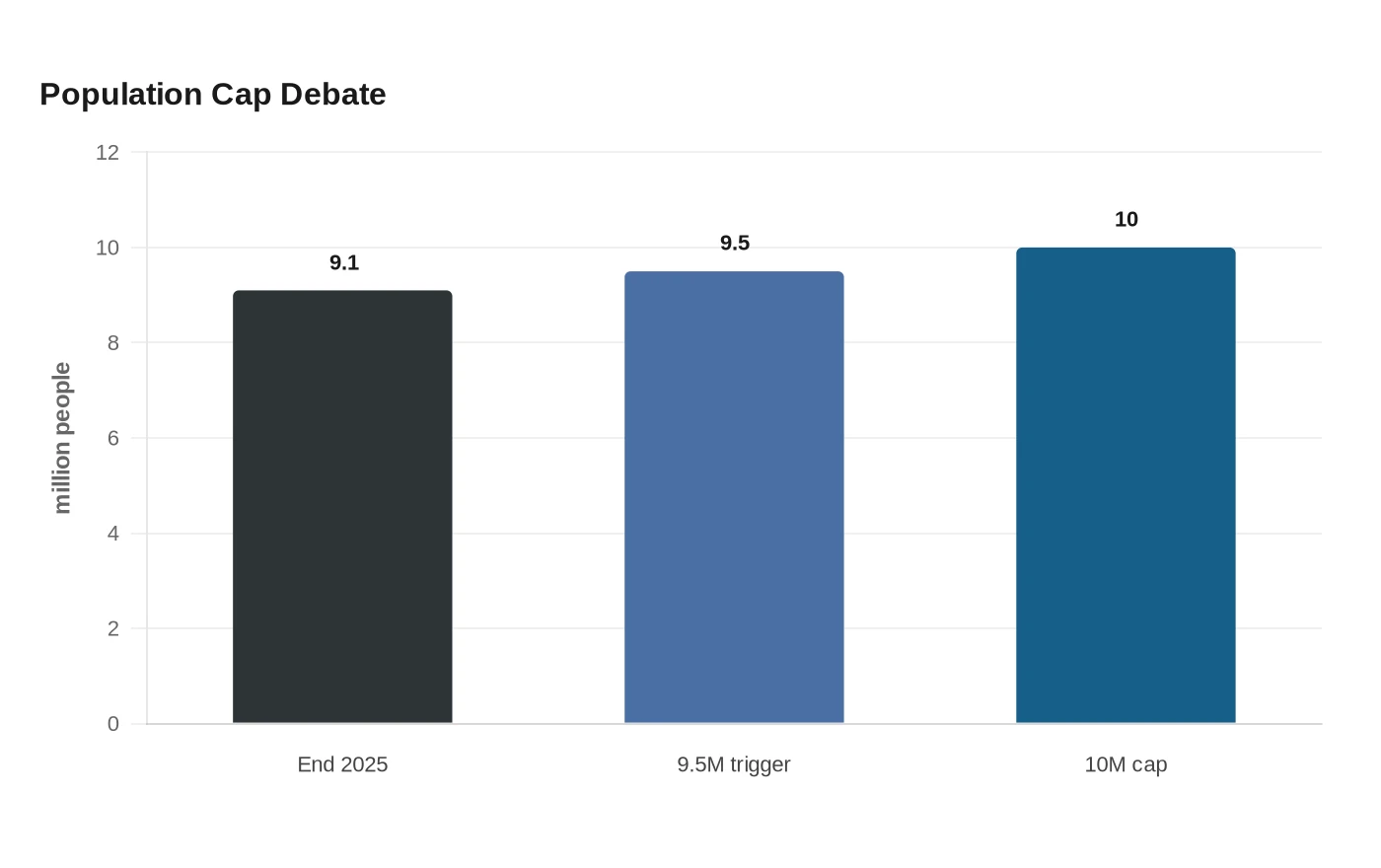
The initiative would require the permanent resident population to stay below 10 million until 2050. If the total rose above 9.5 million before then, the Federal Council and Parliament would have to take action, especially on asylum and family reunification. If the 10 million threshold were breached, Switzerland would be required to terminate the free-movement agreement with the EU after two years, with other Bilateral Agreements I also at risk.
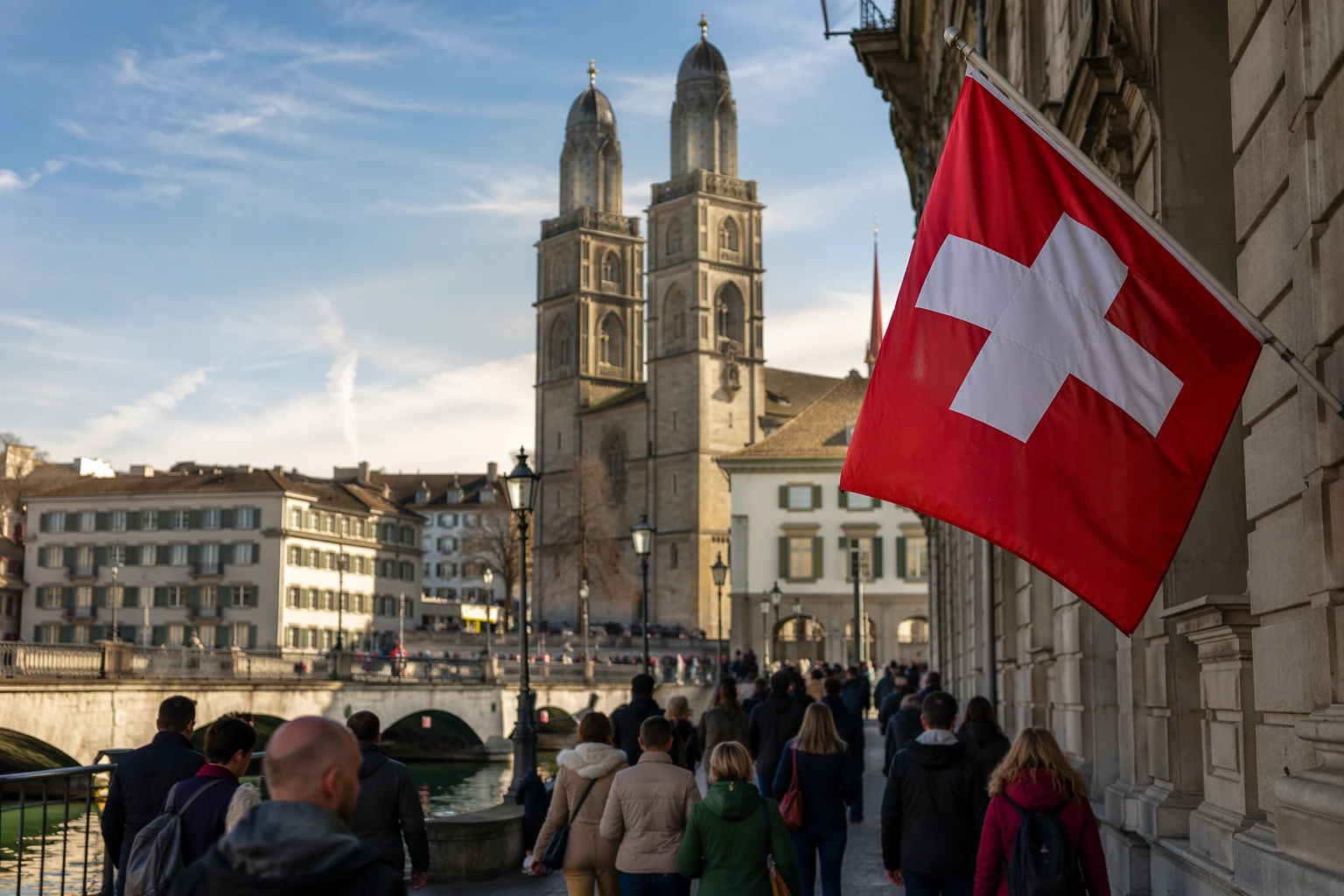
That makes the vote a direct test of how Switzerland handles growth in one of Europe’s richest and most tightly integrated economies. The population stood at about 9.1 million at the end of 2025, after rising by around 1.7 million since free movement began in 2002. Supporters say the rise has strained housing and infrastructure. Opponents counter that the country’s hospitals, care homes and hotels depend heavily on workers recruited from abroad, especially when employers cannot find enough staff at home.

The numbers behind the debate show how deeply migration is woven into Swiss life. At the end of 2024, 41% of the population had a migration background, and 32.5% of permanent residents were first-generation immigrants. About 1.4 million EU citizens live in Switzerland, and roughly 340,000 more cross the border each day to work. For critics, that dependency is evidence that the economy would suffer if immigration were sharply restricted. For supporters, it is proof that the current model has gone too far.

The political fight has also become a broader reckoning with living costs, demographics and Europe itself. A December poll put support for the initiative at about 48%, while a more recent survey showed 52% against and 45% in favor, suggesting a tightly balanced race. With GDP per capita stagnant over the past three years and real wages falling, some voters are looking for a simple explanation. The referendum will show whether Switzerland sees its pressures as a problem of population size, or of policy, planning and labor dependence.
Sources
- [1]bbc.com
- [2]admin.ch
- [3]swissinfo.ch
- [4]cnbc.com
- [5]bloomberg.com