World
Syria and Russia agree new terms for military bases, signaling reset
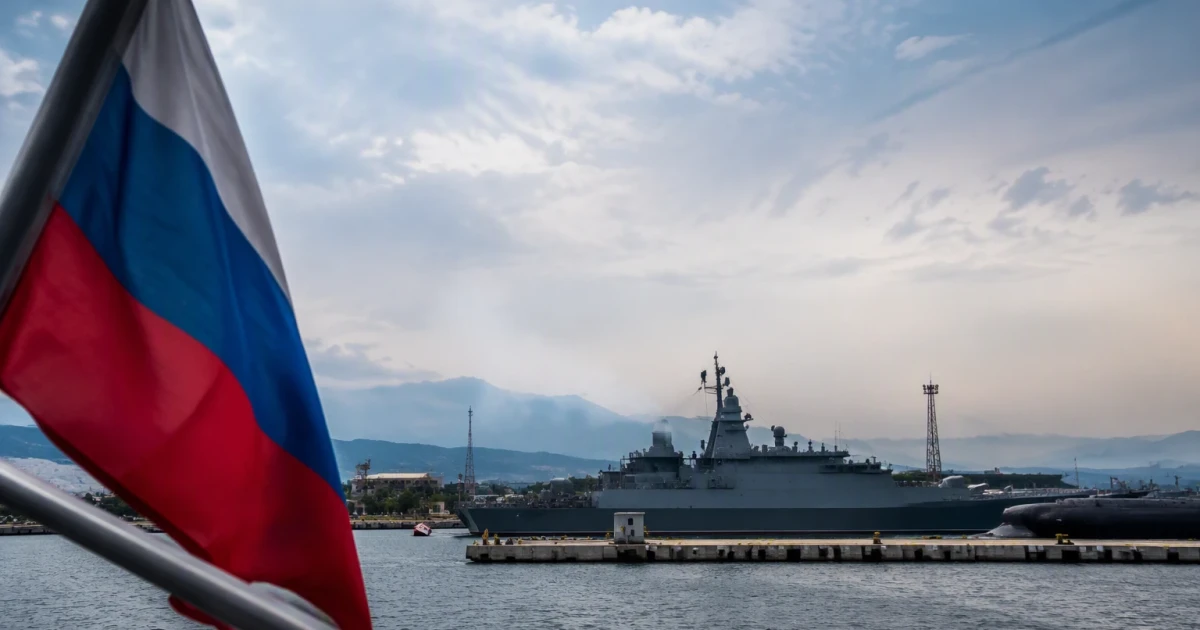
Syria and Russia agreed on new parameters for Moscow’s military presence in Syria after more than a year and a half of negotiations, a deal Damascus said opens a new phase in relations.
The agreement centers on Russia’s two key installations in Syria: the Hmeimim air base near Latakia and the Tartous naval facility on the Mediterranean coast. Russia launched its military intervention in Syria in September 2015 at the request of the Syrian government, then deepened its footprint in December 2017 with plans to dramatically expand both bases. That same year, Moscow and Damascus agreed to station Russian troops at the sites for 49 years, turning the installations into pillars of Russia’s military reach across the eastern Mediterranean.
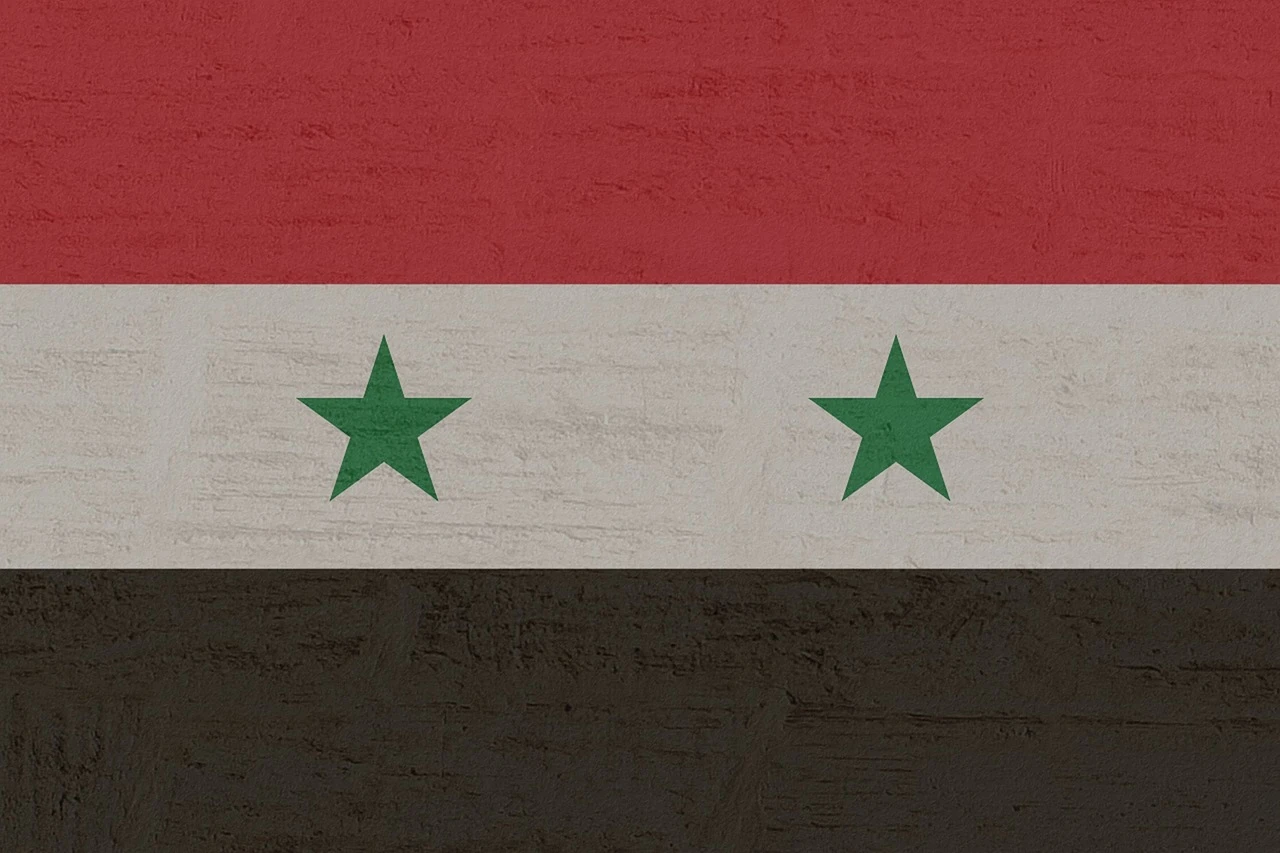
The timing gives the deal a different meaning from the arrangements forged under Bashar al-Assad. After Assad’s fall in December 2024, Syria cut ties with some former allies and began recalibrating its foreign and security relationships. The future use of Tartous and Hmeimim was on the agenda in talks between Vladimir Putin and Syria’s interim leader, Ahmed al-Sharaa, making the bases a test of whether Moscow can preserve influence with a new Syrian leadership that is redrawing its external alignments.
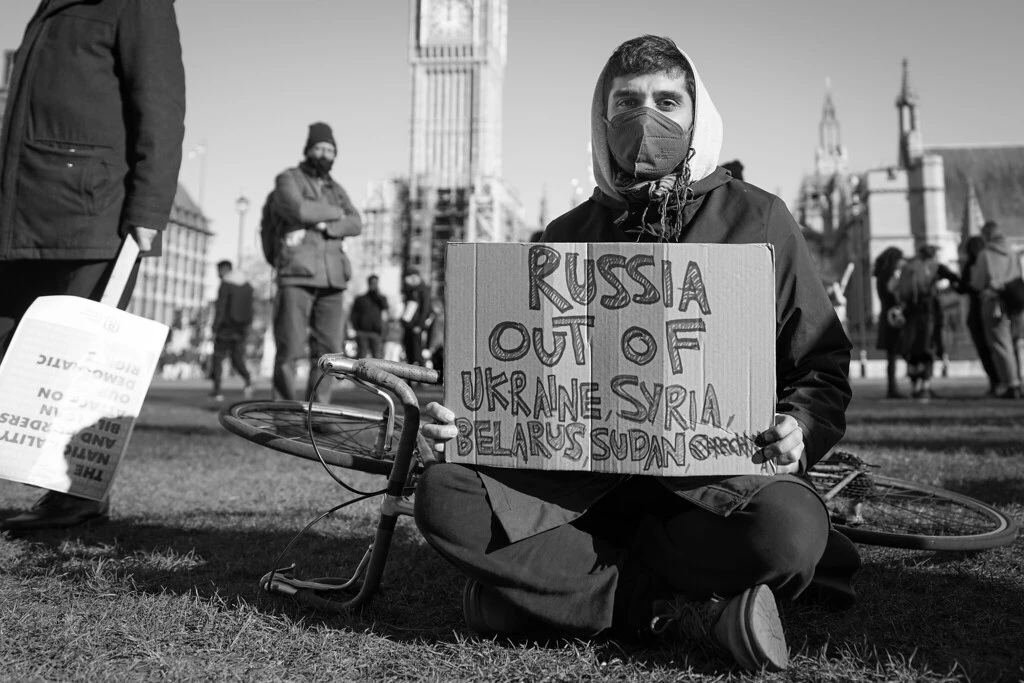
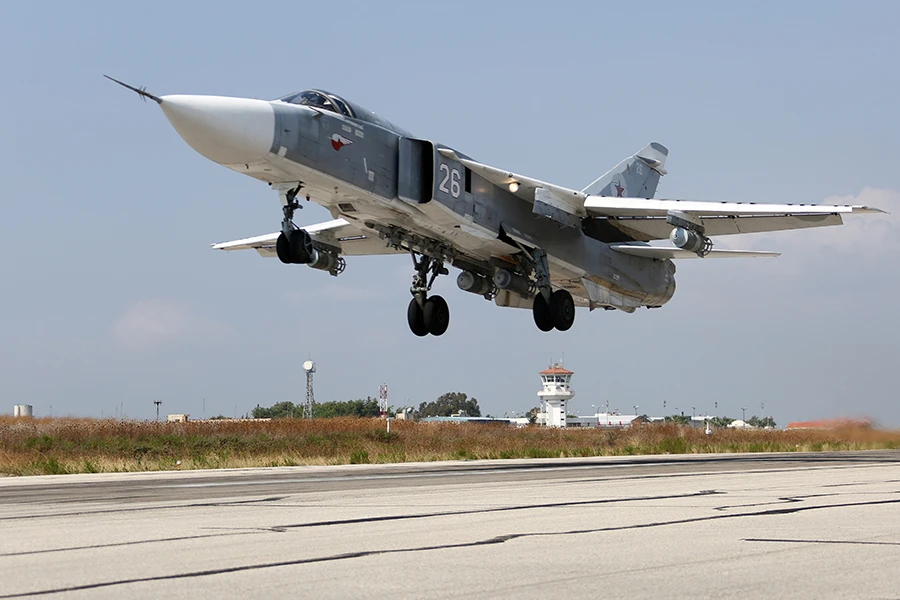
What a reorganized Russian presence means in practice is a reset around the same two assets, not a wholesale departure. Tartous remains Russia’s naval gateway on the Mediterranean coast, and Hmeimim remains its airpower hub near Latakia. If the new parameters loosen the old 49-year framework, they also show Moscow adjusting its posture to changing politics in Damascus rather than surrendering the installations that anchor its regional ambitions. The result is a shift from the Assad-era model of entrenched military backing to a more transactional arrangement, with Russia seeking to keep its bases, preserve military leverage, and hold onto a foothold that has defined its power projection in the Middle East.
Sources
- [1]nytimes.com
- [2]apnews.com
- [3]dw.com
- [4]middleeastmonitor.com
- [5]rferl.org
- [6]rand.org