Politics
Syria delays first session of transitional parliament without explanation
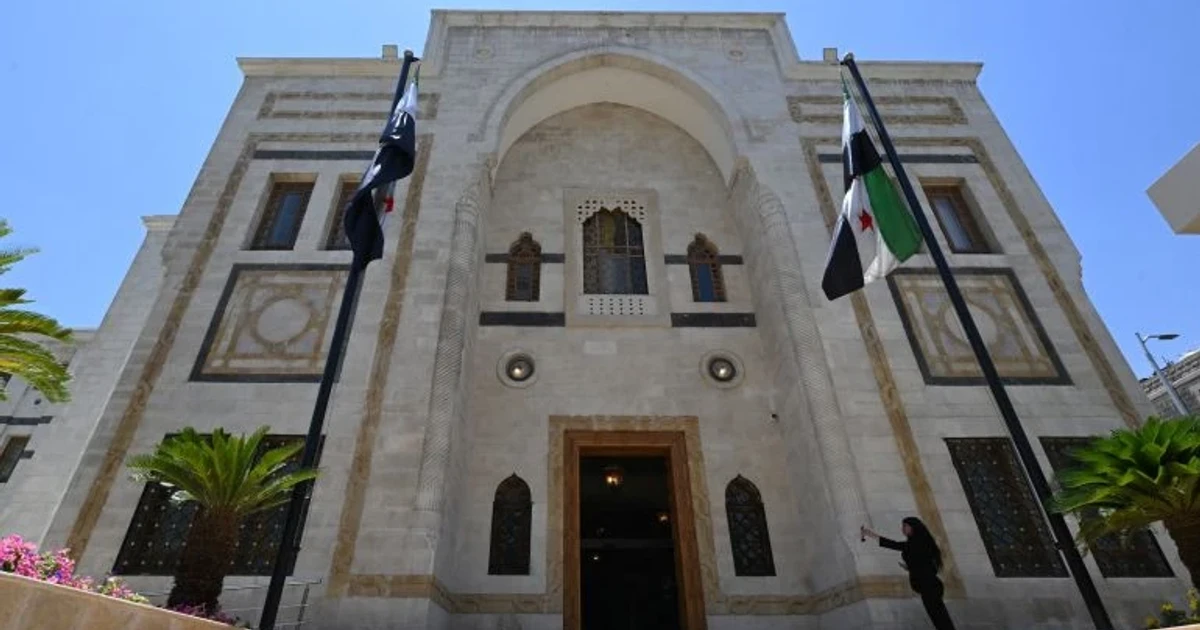
Syria put off the first session of its new transitional parliament just days after announcing it would open on July 6, leaving the country’s latest political milestone without an explanation. State television said the People’s Assembly would convene later, but gave no reason for the reversal.
The delay lands at a sensitive moment for a legislature that is supposed to help shape Syria’s post-Assad order. The 210-member chamber is expected to serve a 30-month term and draft a new elections law, a step meant to prepare the ground for a broader popular vote later in the transition.
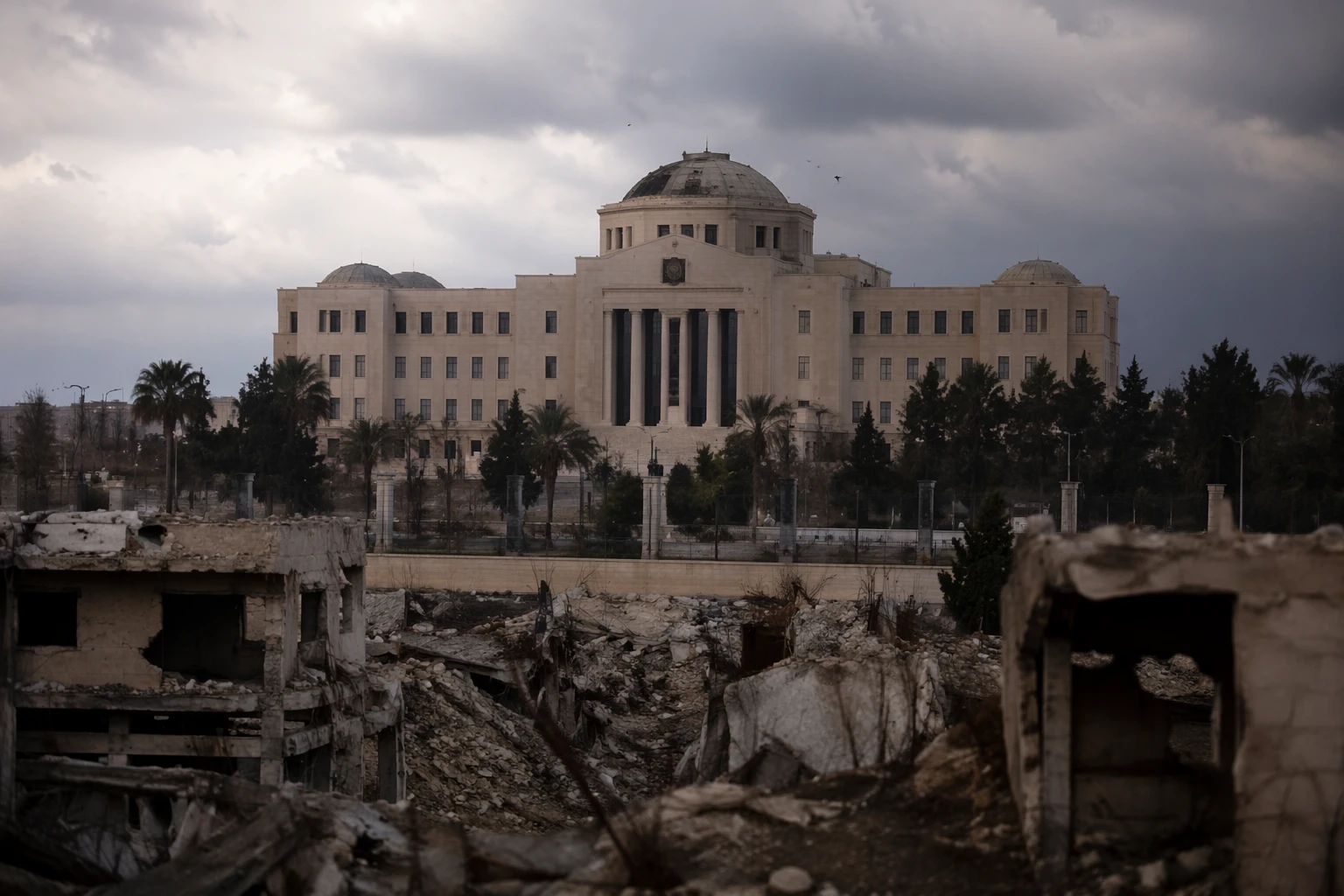
The assembly was completed only after President Ahmed al-Sharaa named the final 70 lawmakers, filling the last seats in a body built through an indirect process. The other 140 members came through provincial electoral colleges rather than a direct national vote, making the parliament a layered compromise between the old state and the new political structure. The full formation took more than eight months from start to finish.
The timing was especially awkward because the Higher Committee for People’s Assembly Elections had announced on July 1 that the first session would be held on Monday, July 6, with members to be sworn in, choose the presidium and form a committee to draft internal bylaws. That schedule was later pushed back without any public justification.
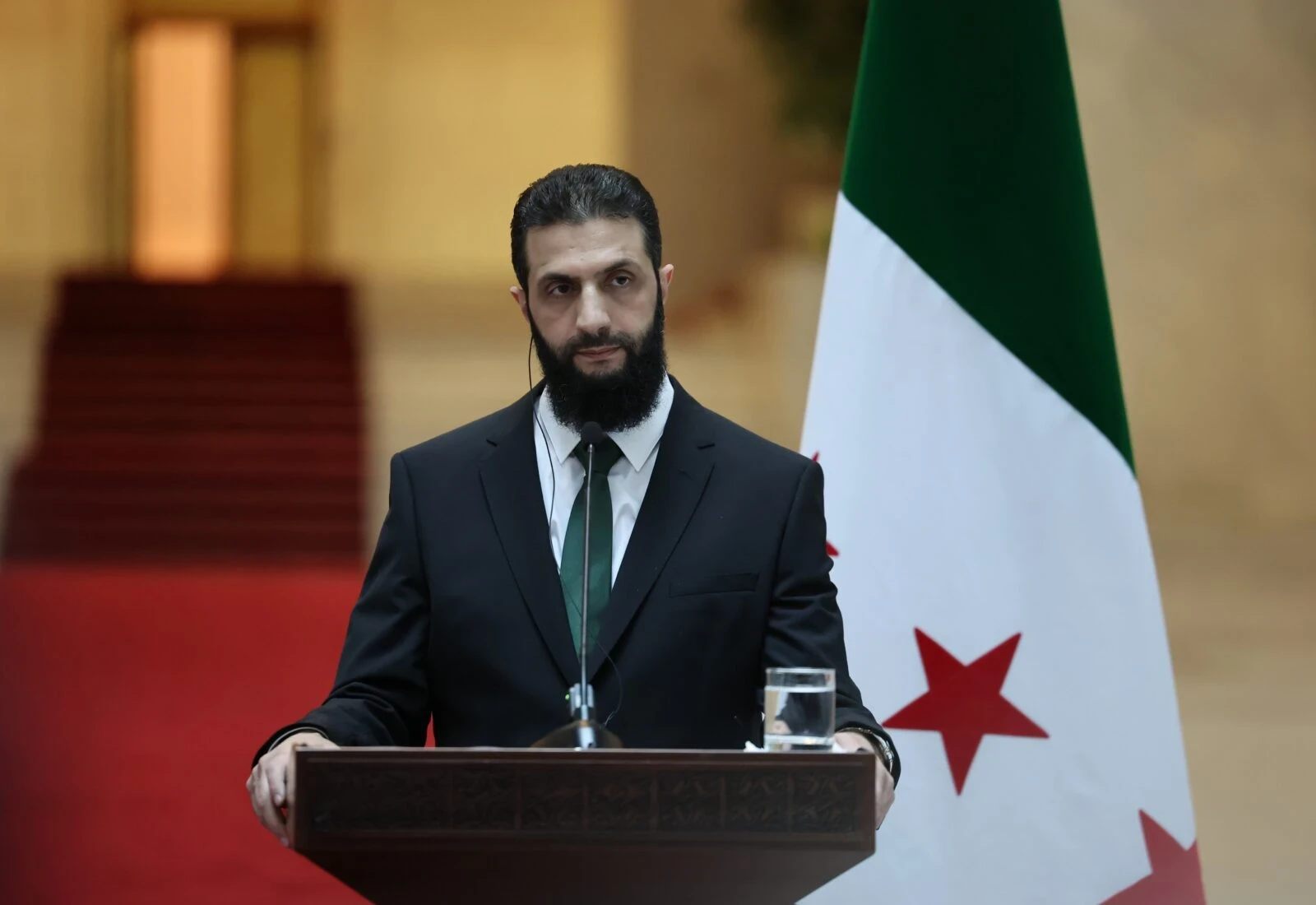
The postponement also underscored the unfinished map of Syria’s transition. Selection had not yet been completed in Suwayda province, where officials said conditions were not yet appropriate, while parts of Hasakah and Raqqa had already gone through the process after Damascus struck a deal integrating Kurdish institutions into the state. Suwayda is Druze-majority, and the northeast has been shaped by Kurdish-led Syrian Democratic Forces control.
Syria’s transitional framework, set out in a constitutional declaration signed by al-Sharaa on March 13, 2025, established a five-year transition and a presidential system with no prime minister. Under that arrangement, the parliament has limited authority, but it remains one of the few national bodies meant to give the new order an institutional footing.
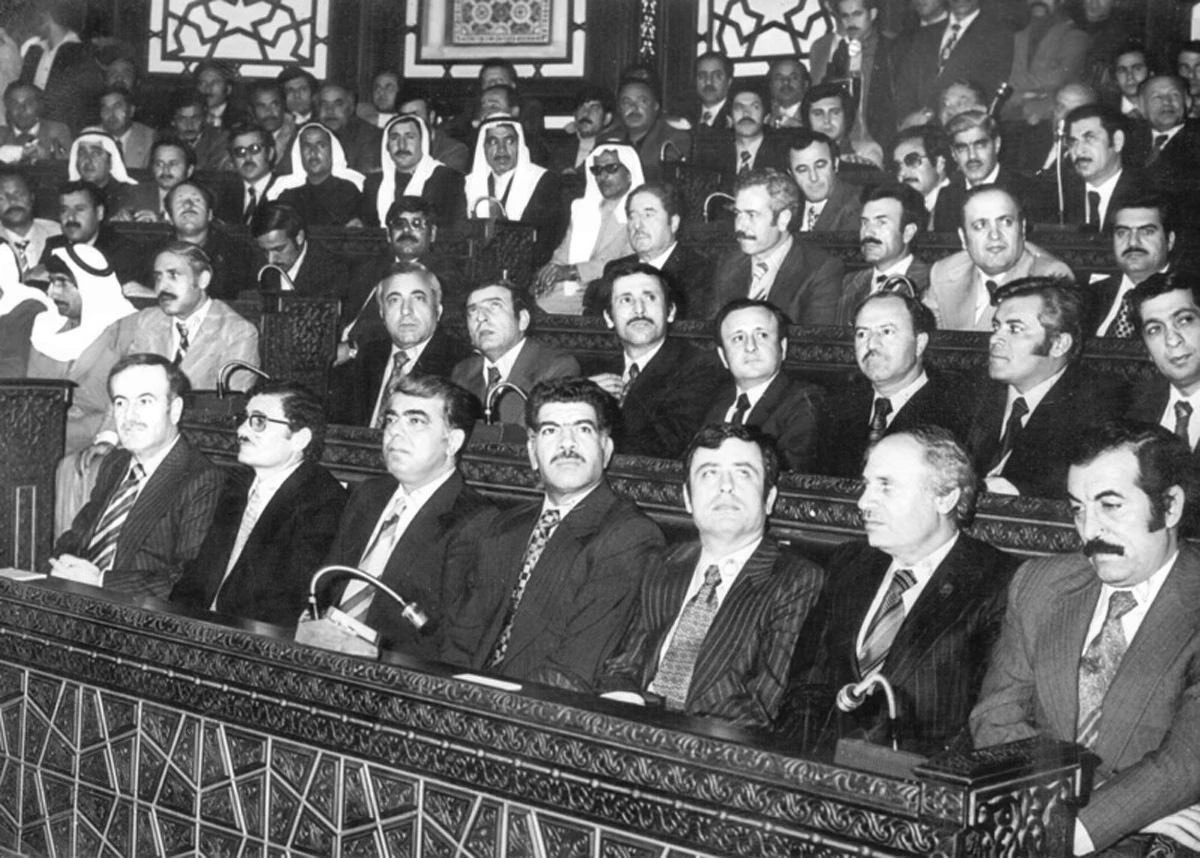
The final slate of 70 appointees included women, community leaders, professionals and representatives of minority groups, a composition Damascus has presented as evidence of broader representation. Even so, the last-minute delay left the chamber’s credibility tied to more than symbolism. For Damascus, the pause postponed the moment when a parliament built on appointments, provincial committees and incomplete local deals had to show it could function as a national institution.
Sources
- [1]aljazeera.com
- [2]usnews.com
- [3]sana.sy
- [4]english.alarabiya.net
- [5]dw.com
- [6]fdd.org