World
Syria revises Damascus blast toll to 14 wounded, no deaths
Syria’s Health Ministry said a blast in the Damascus area wounded 14 people and killed no one, revising an earlier toll that had put the death count at two. The correction turned a fast-moving security story into a test case for how casualty figures in Syria are first assembled, then revised, as officials sort through confused accounts from the scene.
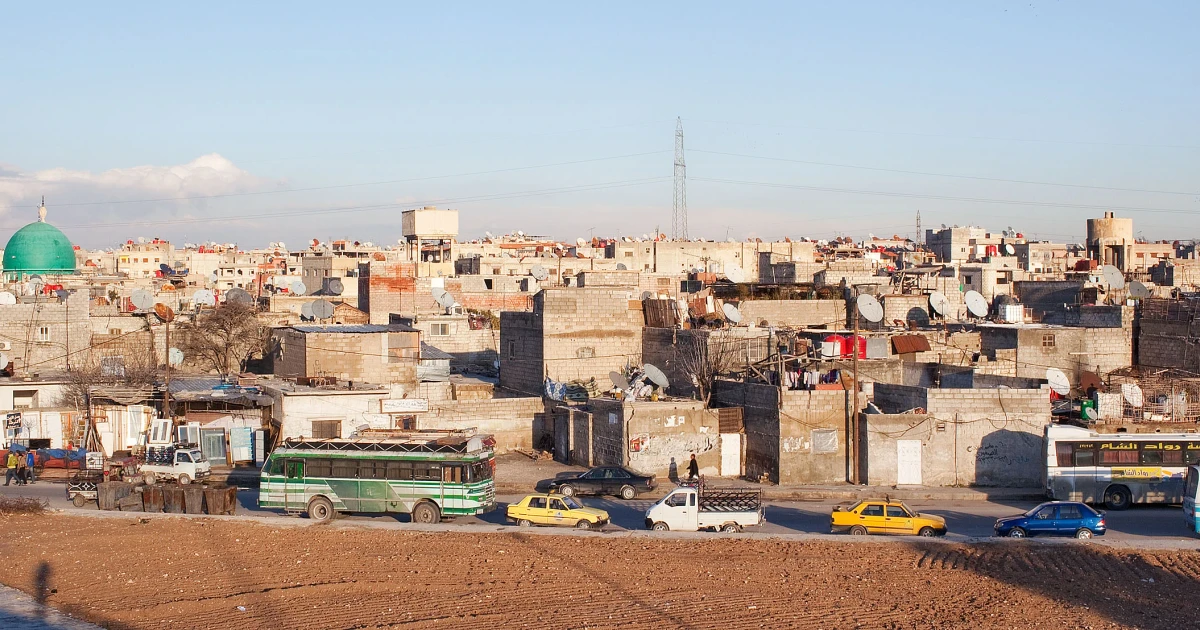
The explosion struck Jaramana, a suburb southeast of Damascus with a large Druze population, on Thursday, Aug. 6, 2026. Authorities said an explosive device had been planted on the vehicle, and the minibus was left badly damaged, with its roof torn off, its interior wrecked and debris scattered across the road. Some reports on Aug. 7 said three of the wounded were critically injured, underscoring that the revised toll did not mean the blast was minor.
The earlier count, widely carried on Aug. 6, said two people had been killed and 13 wounded. By the next day, the Health Ministry had corrected the figure to 14 wounded and no deaths, narrowing the incident from a fatal attack to a serious but nonlethal explosion. The revised total also changed the political weight of the episode, because casualty numbers in Syria are often read not just as medical facts but as signals of control, competence and vulnerability.
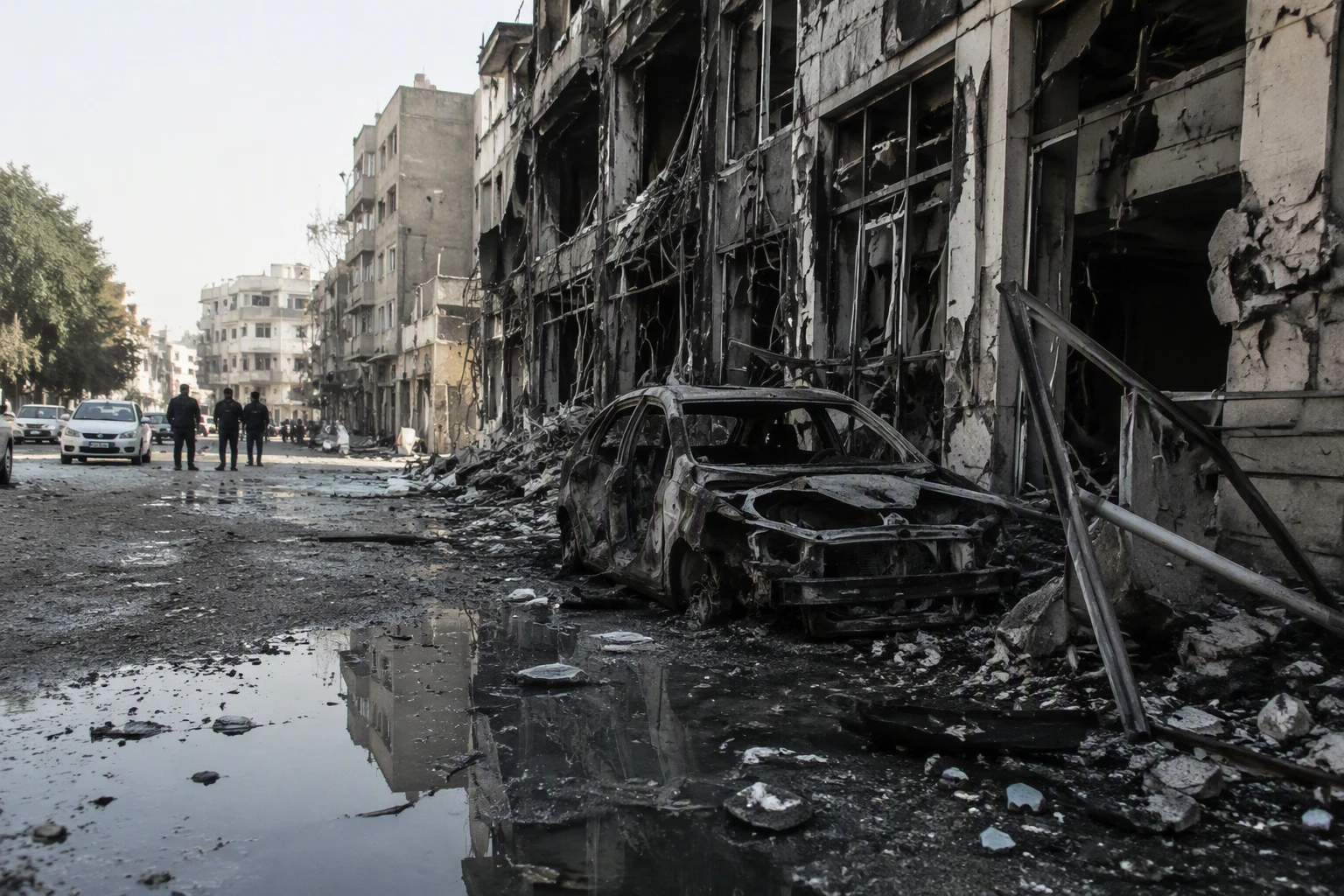
That tension is especially acute in and around Damascus, where sudden blasts can be caused by attacks, planted explosives, accidents or technical failures. In this case, authorities launched an investigation after the explosion, but the first accounts were already circulating before the scene could be fully documented. Syrian state media and health authorities were the main channels for the casualty numbers, while the details from Jaramana showed how quickly an early toll can harden into a headline before being corrected.
The damage to the minibus made clear that the blast was forceful even after the death toll was removed. For residents of Jaramana and the wider Damascus area, the episode fit a pattern that has persisted through years of war and political upheaval: a single blast can trigger panic, disrupt transport and prompt instant speculation about sabotage or militant violence before the facts are settled.
The correction leaves the focus on the injured and on the difficulty of verification in Syria, where witnesses, ambulance crews and officials often see only fragments of the same event. In a country where casualty figures can become part of a broader contest over narrative and authority, the distance between two reported deaths and no deaths is not a footnote. It is the story.
Sources
- [1]apnews.com
- [2]reuters.com
- [3]aljazeera.com
- [4]france24.com
- [5]newsday.com
- [6]trtworld.com