World
Syria's new parliament convenes, testing Sharaa's political transition
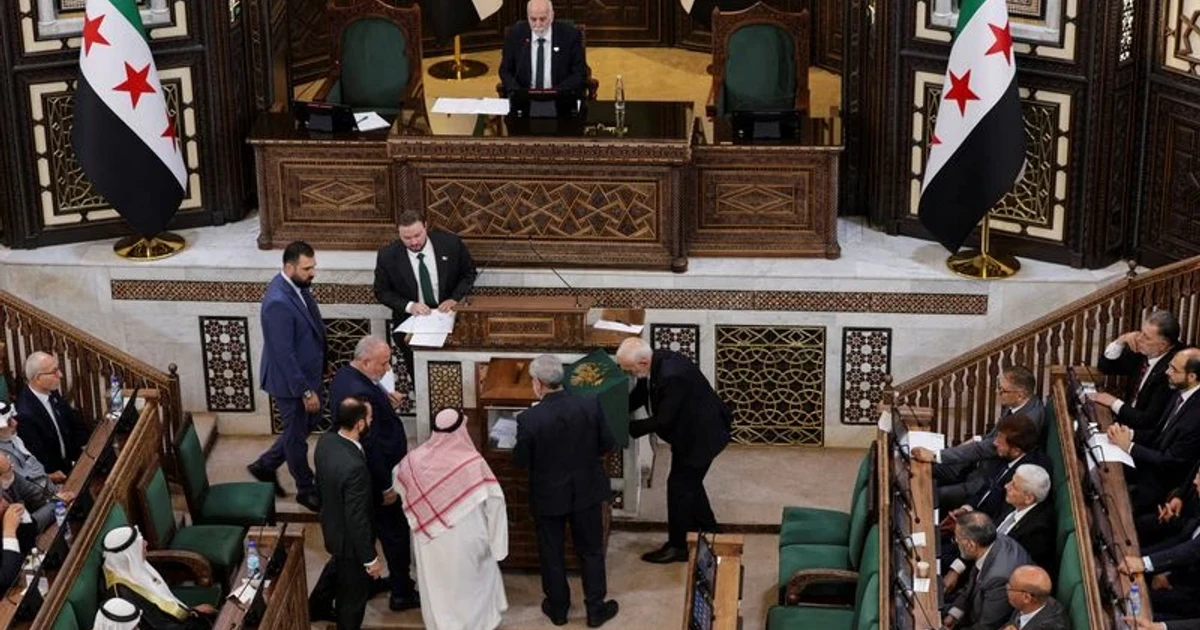
Syria’s new parliament met in Damascus for the first time on Sunday, 19 months after rebels led by President Ahmed al-Sharaa toppled Bashar al-Assad. Sharaa used the opening session to tell lawmakers to “make this council a model of responsibility and competence” and called it “a platform for truth and justice,” a sign of how closely the new chamber is being watched as a measure of whether Syria is moving toward representative rule or simply reorganizing power after Assad’s fall.
The way the 210-seat body was assembled already reflects that tension. Two-thirds of the chamber were chosen last year by regional electoral colleges, while Sharaa appointed the remaining third on July 1. Officials said the indirect system was necessary because war displaced millions of Syrians and destroyed the accuracy of population records and voter rolls. Critics argue it leaves too much control in the hands of the executive, especially in a country where the legislature was long treated as a rubber stamp under the Assad family.
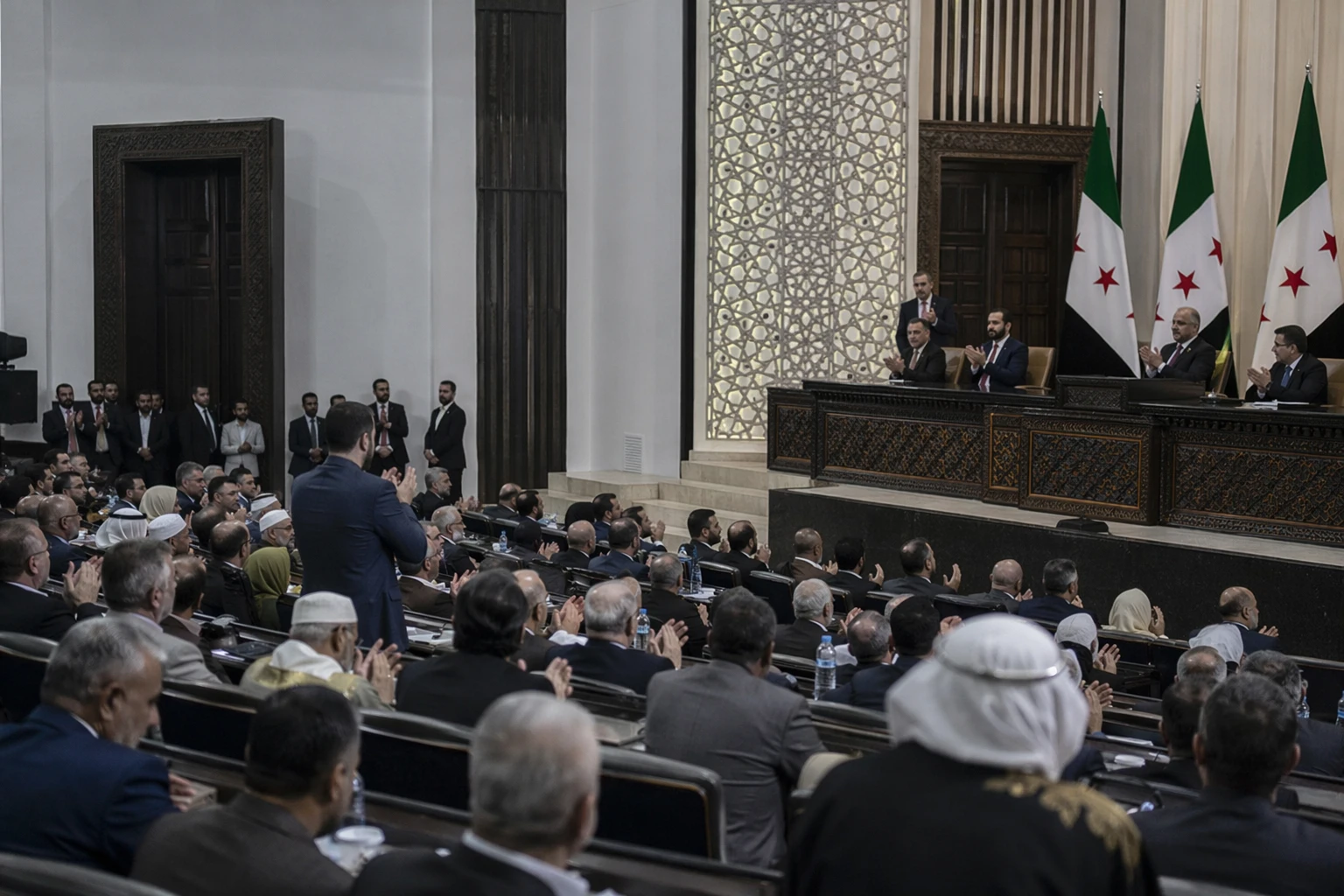
Sharaa has said he supports holding general elections once infrastructure and documentation allow, but the parliament’s authority remains narrow for now. Under a temporary constitutional declaration introduced in 2025, the assembly can propose and approve laws, yet it does not have the power to force the government to win a vote of confidence. It will hold legislative power only until a permanent constitution is adopted and elections are organized, making this first session more an exercise in state-building than a full democratic transfer.
The chamber’s composition is also under scrutiny. Women hold about 10% of the seats, with 21 female lawmakers in total, 15 of them nominated by Sharaa. Authorities have not released a full breakdown of minority representation, though unofficial tallies indicate that some seats went to Kurds, Christians and Alawites. Several seats reserved for Sweida remain vacant, underscoring how unresolved regional and communal questions still shape the new political order.
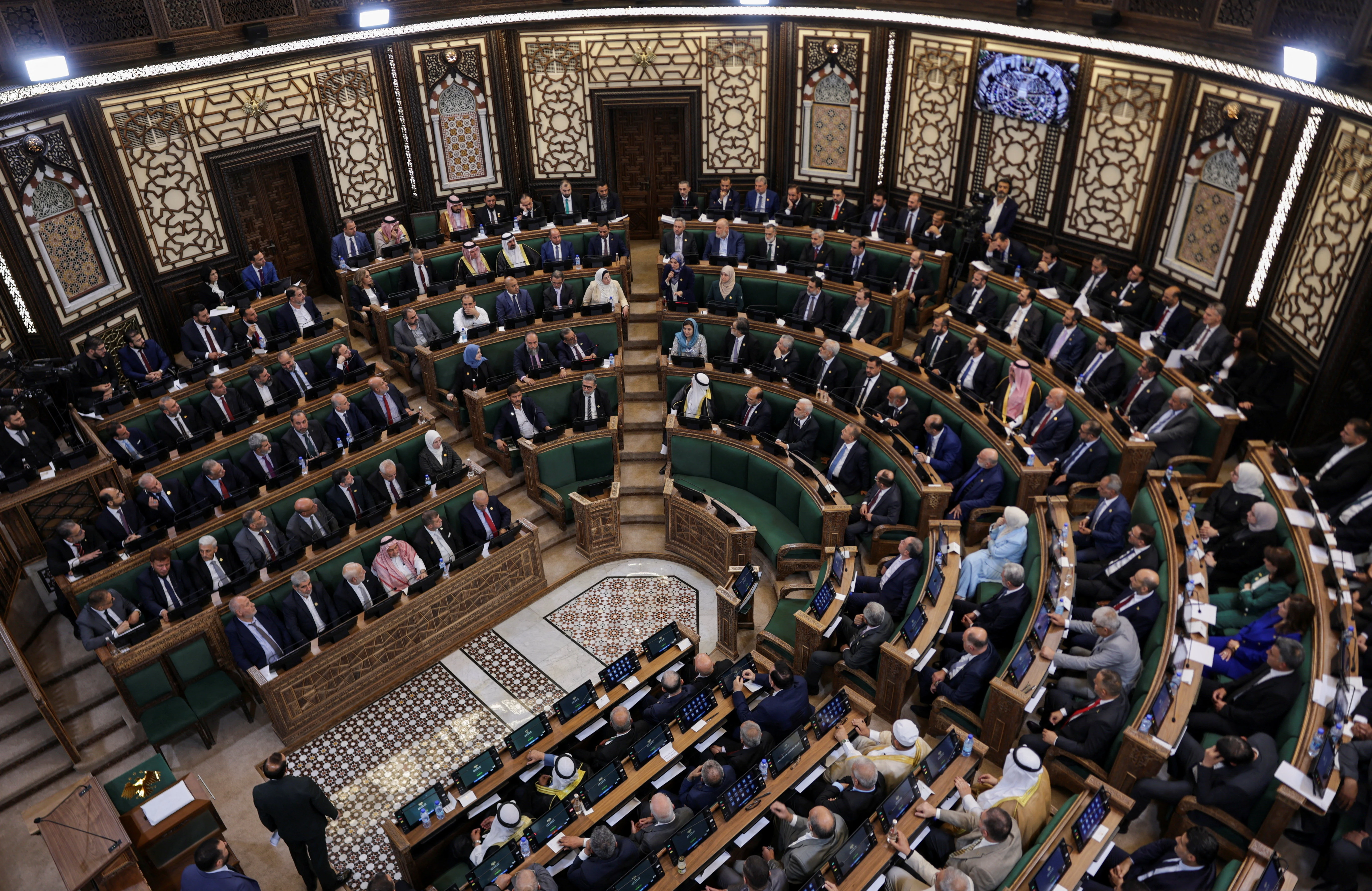
For Sharaa, the parliament’s opening offered an image of institutional normalcy after years of civil war. Whether it becomes a vehicle for broader participation or a more centralized order will depend on how quickly the promised path to general elections opens, and how much authority the next system is willing to share.
Sources
- [1]y94.com