Entertainment
T. rex fossil Gus heads to auction with $30 million estimate
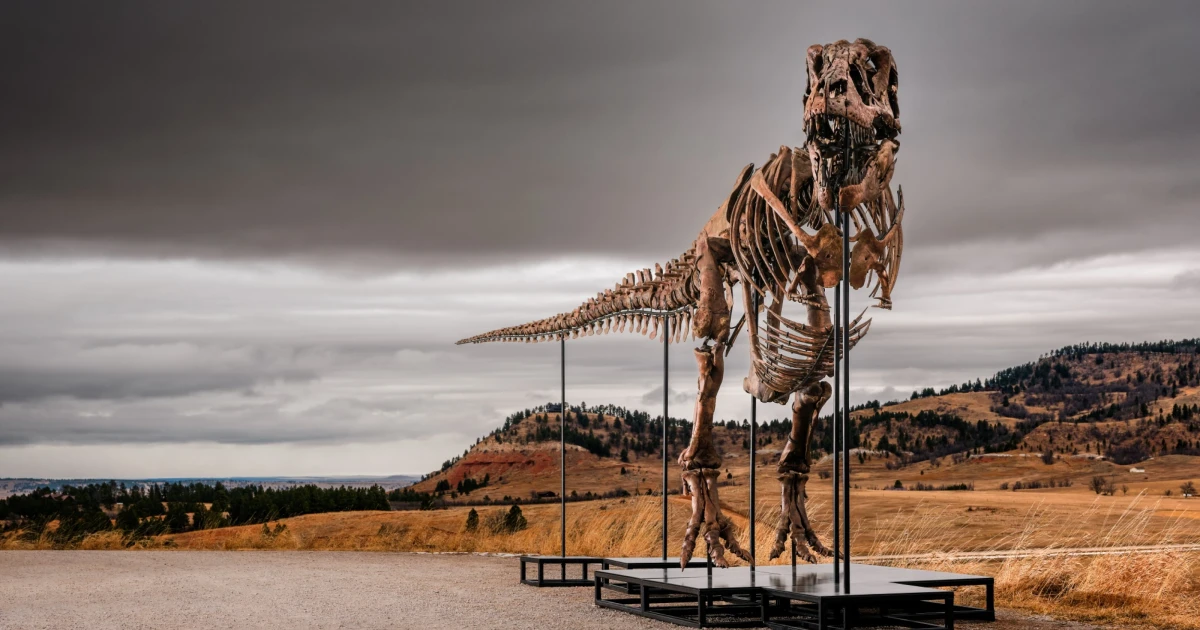
The Tyrannosaurus rex fossil known as Gus is headed to Sotheby’s in New York with a $20 million to $30 million estimate and a $19 million starting bid, putting one of the most complete T. rex skeletons ever found into the kind of market usually reserved for luxury assets.
Gus will be offered Tuesday in Sotheby’s Natural History and Geek Week sale. The specimen was discovered in 2021 on private land in Harding County, South Dakota, on the ranch of the late Gary “Gus” Licking, and Thomas Heitkamp and his team at Theropoda Expeditions excavated it over about three years.
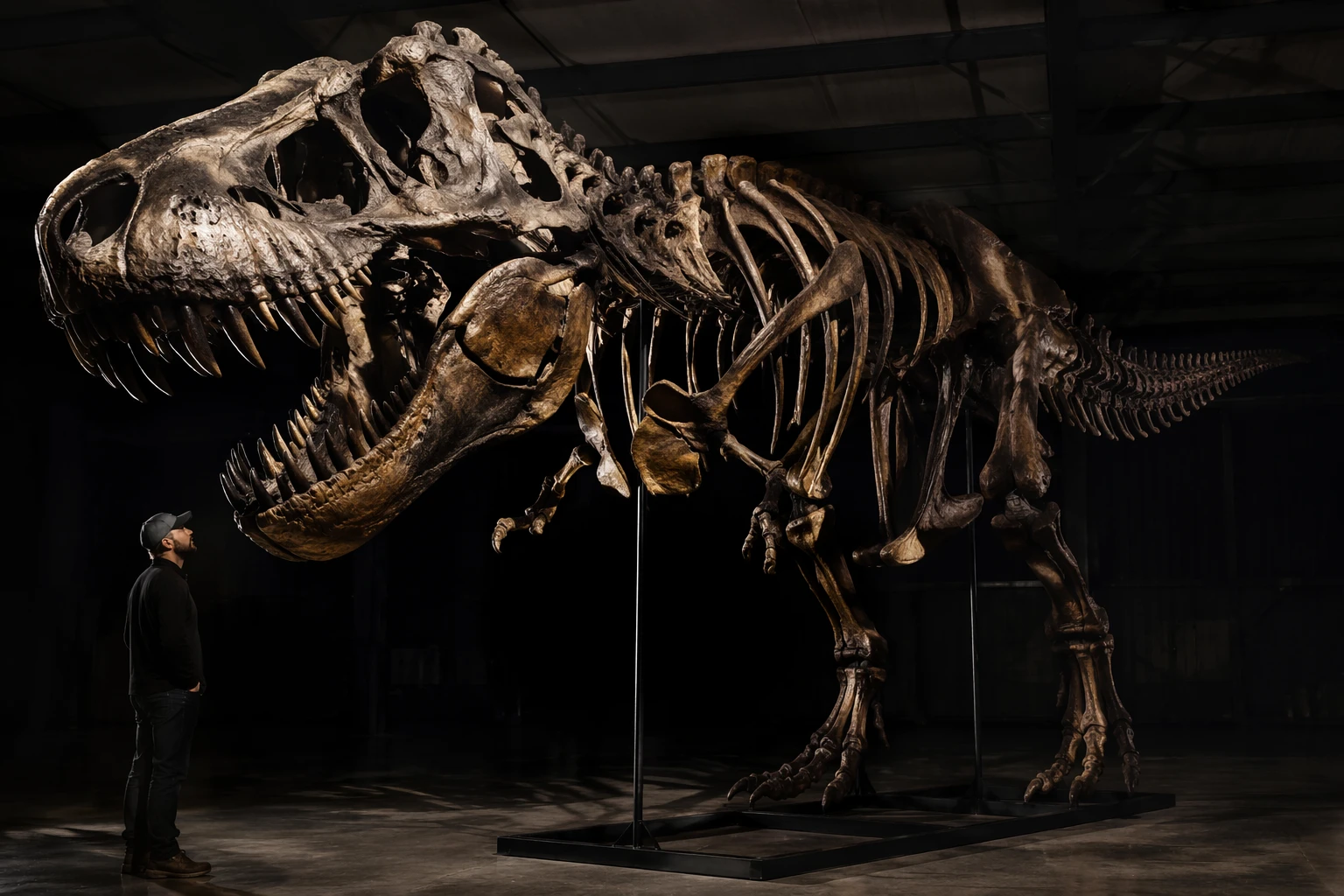
Sotheby’s says the mounted skeleton measures about 38 feet long and 12.5 feet tall, with a 54-inch skull and bones from an animal that lived about 67 million years ago in the Late Cretaceous. The auction house says Gus includes 183 fossil bone elements and about 82% of the bones represented. Other reporting has put the skeleton at about 63% complete by bone count and 75% to 80% of the animal’s bone mass. The fossil also shows signs of damage and survival, including bite marks and healed fractures, details that make it more valuable to scientists studying how T. rex fought, healed and lived.
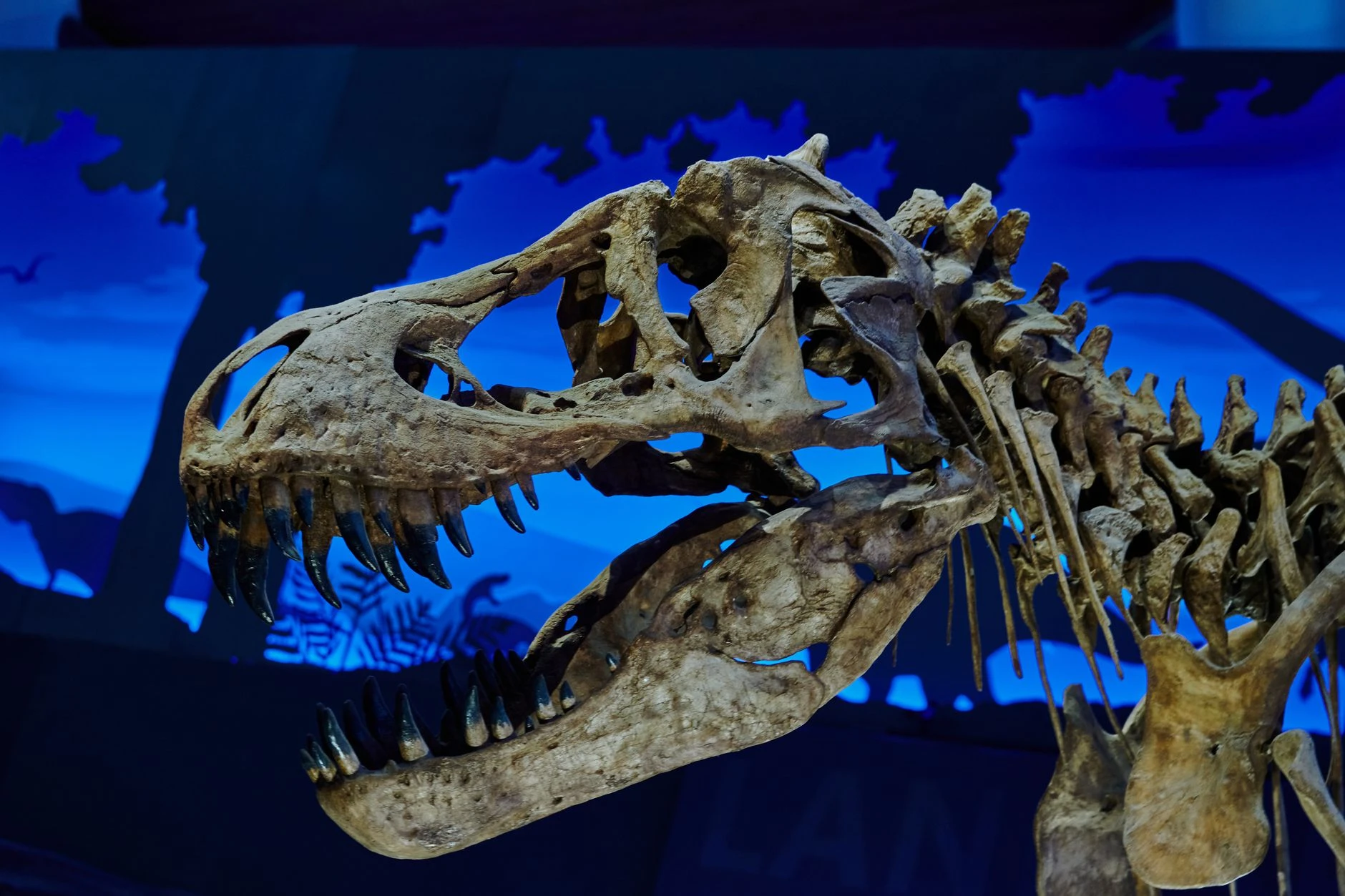
The sale raises a familiar problem in paleontology: the fossils most useful to museums and researchers are increasingly the ones most likely to go to the highest bidder. Gus is being sold with full rights, and because it came from private land, the specimen can be treated as a commercial object rather than a public scientific resource.

The price would extend a market that has already pushed major fossils into ultra-wealth territory. The Field Museum bought Sue, a T. rex, for $8.4 million in 1997 with support from McDonald’s, Disney and private donors. In 2024, billionaire Ken Griffin paid $44.6 million for Apex, a stegosaurus, then loaned it to the American Museum of Natural History in New York for four years. Sotheby’s has also cast its Natural History department as a global market leader for museum-quality fossils, a sign that the same institutions charged with preserving natural history now compete with collectors who can turn scientific specimens into status symbols.
Sources
- [1]news.google.com
- [2]sothebys.com
- [3]fieldmuseum.org
- [4]vpm.org
- [5]sdnewswatch.org
- [6]hallhall.com