Business
T. rex fossil Gus sets new auction record at Sotheby’s
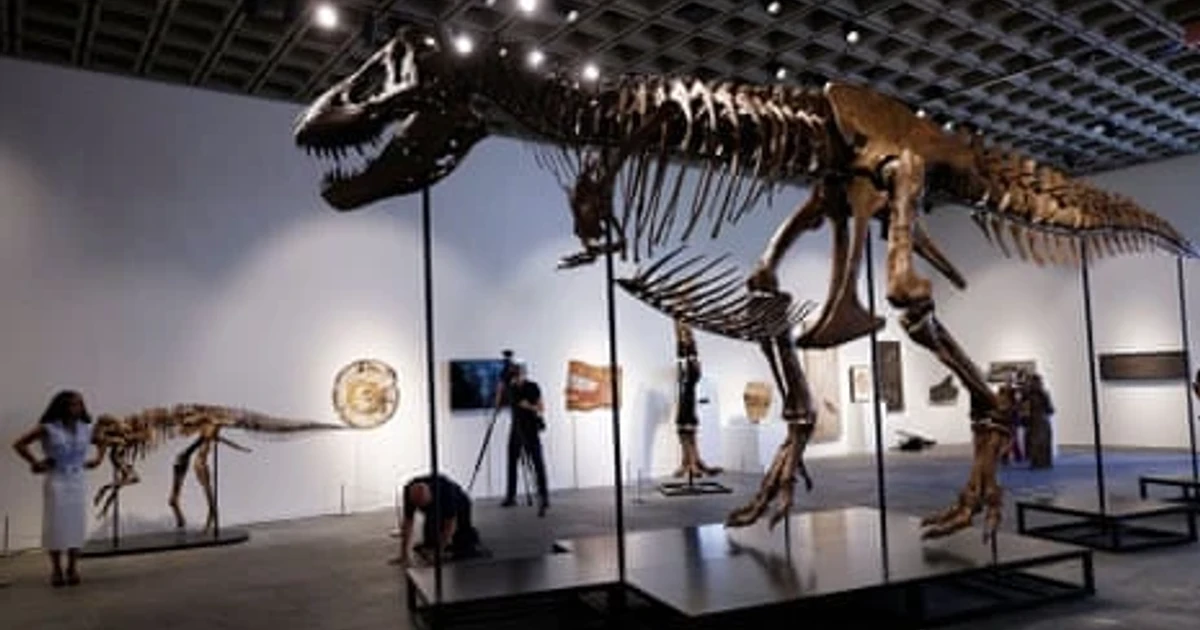
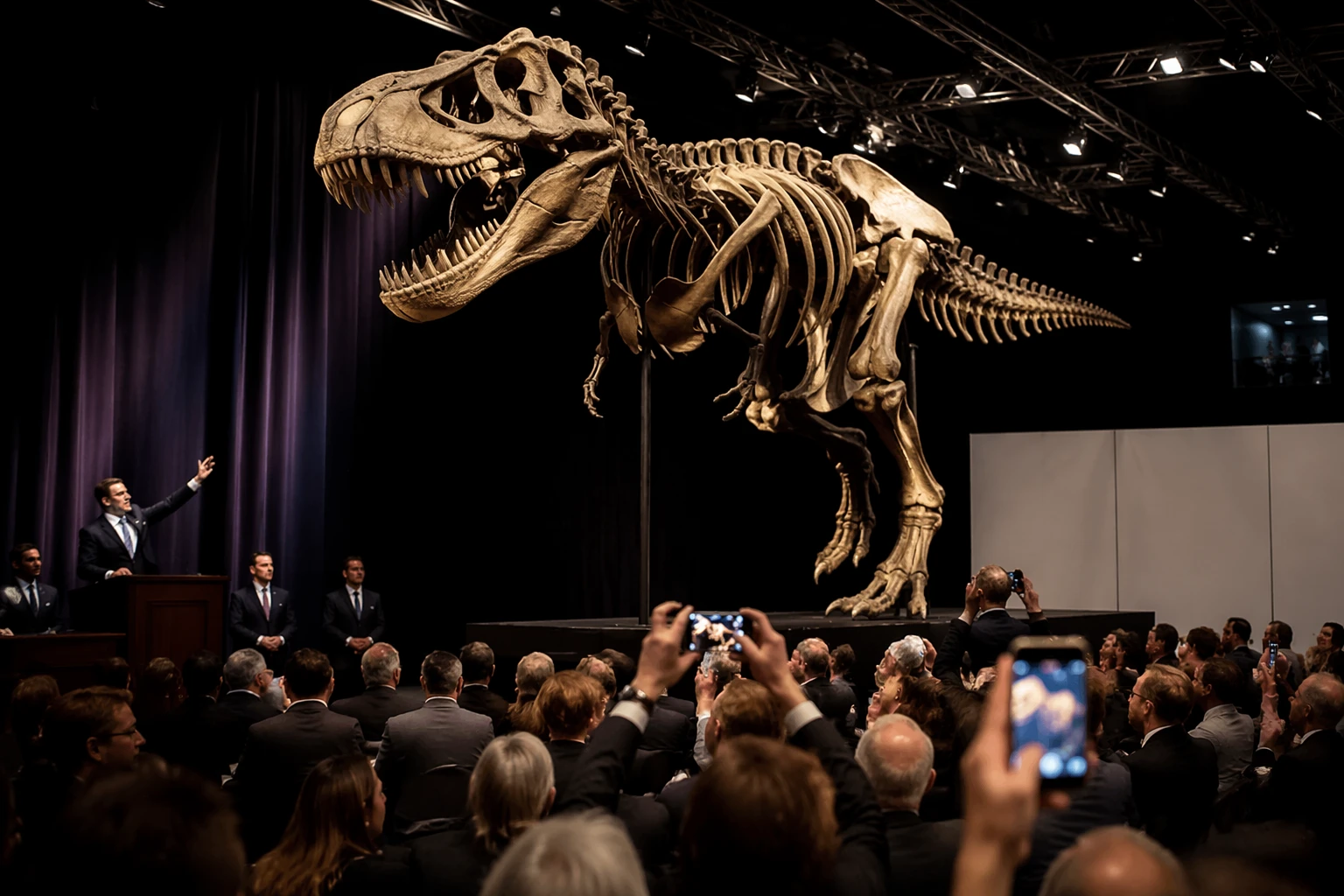
Sotheby’s sold a Tyrannosaurus rex skeleton nicknamed Gus for about $50.1 million in New York on Tuesday, lifting the fossil to the top of the dinosaur auction market after a 10-minute bidding battle among seven bidders. Sotheby’s said the price, which it tallied at $50.13 million, blew past the pre-sale estimate of $20 million to $30 million and made Gus the most expensive dinosaur fossil ever sold at auction.
The result pushed aside the previous record holder, Apex, a stegosaurus that Sotheby’s sold in New York in 2024 for $44.6 million. Apex was bought by billionaire hedge fund manager Ken Griffin and is now on loan to the American Museum of Natural History in New York, a path that underscores the split between private ownership and public access that now shapes the top end of the fossil market. The buyer of Gus was not publicly identified.
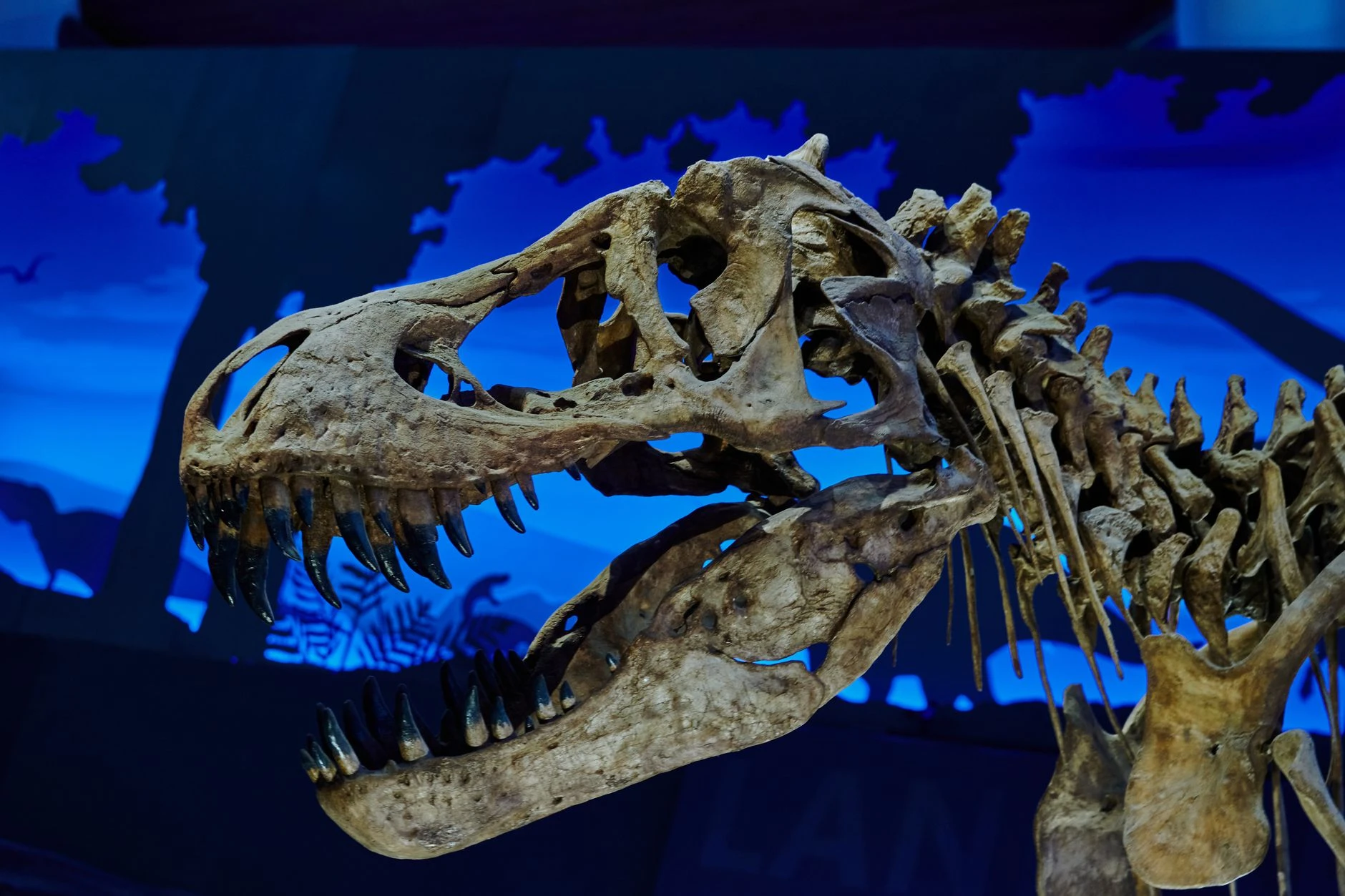
Gus is about 67 million years old and, by Sotheby’s account, is one of the largest and most complete T. rex specimens ever discovered. The mounted skeleton measures about 38 feet long and includes 183 fossilized bones, with Sotheby’s describing it as about 63% complete by bone count. That level of preservation helped turn the specimen into a trophy asset as well as a scientific object, with auction buyers now paying not just for rarity, but for excavation quality, documentation and preparation.
Cassandra Hatton, Sotheby’s vice chair, said the result showed that the market rewards specimens that have been “excavated, documented, prepared, and cared for well.” The fossil was discovered in 2021 on private land in Harding County, South Dakota, in the Hell Creek Formation on a ranch owned by the late Gary “Gus” Licking. A team led by Thomas Heitkamp found the first bone within hours, setting in motion a chain of recovery, preparation and sale that ended with a record-breaking hammer price.
The sale also shows how the fossil trade keeps driving marquee specimens into private hands, where access can depend on the next owner’s decisions. Some high-profile fossils do eventually reach museums through loan agreements, as Apex did, but the market’s rising ceiling means the most significant discoveries are increasingly priced as ultra-rare collectibles, not just research materials or public exhibits.
Sources
- [1]nytimes.com
- [2]sothebys.com
- [3]cnbc.com
- [4]the-journal.com