Health
Taco Bell removes fresh produce from some menus amid parasite outbreak
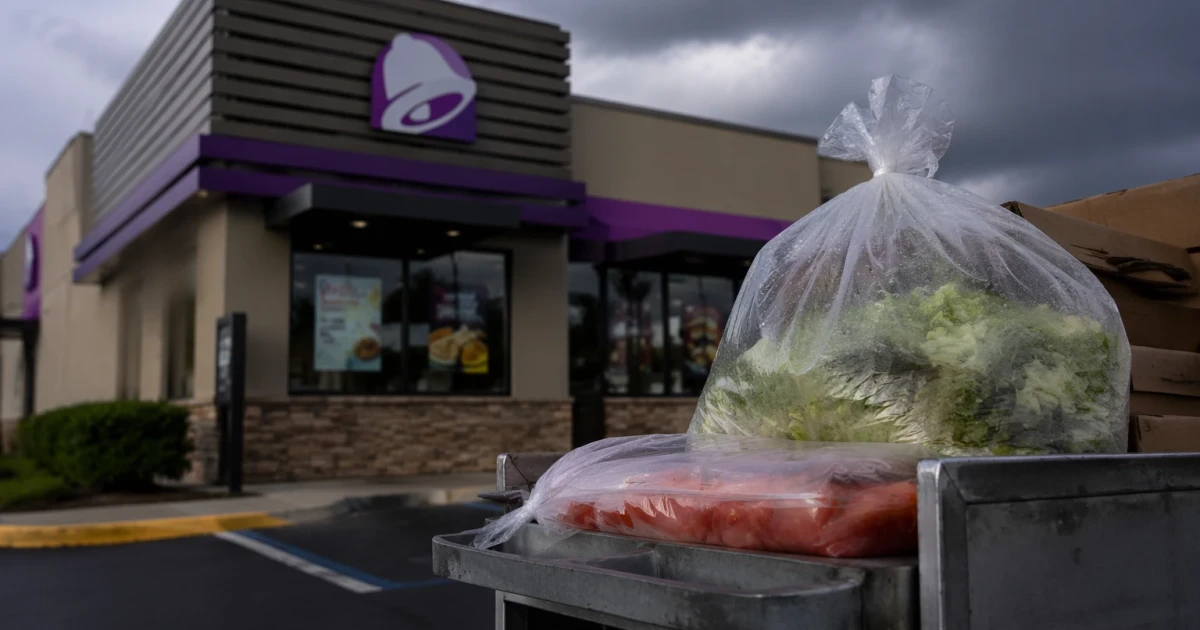
Taco Bell has temporarily removed lettuce, pico de gallo, guacamole, cilantro and onions from some locations as a cyclosporiasis outbreak pushes restaurants to rethink fresh produce. The chain is still serving menu items without those ingredients, a visible sign of how a foodborne parasite can change restaurant menus before investigators identify the source.
The Centers for Disease Control and Prevention said the 2026 cyclosporiasis season began May 1 and runs through August 31. As of July 9, the agency had received reports of 843 confirmed domestic cases, more than 1,500 additional suspected domestic cases under review, 86 hospitalizations and no deaths across 31 states. The CDC has moved to more frequent updates as the case count has surged.
Cyclosporiasis spreads through contaminated food or water, usually fresh produce, and washing produce does not remove the microscopic parasite. Symptoms can include watery diarrhea, loss of appetite, weight loss, nausea, vomiting, body aches, fatigue and severe abdominal pain. Person-to-person spread is uncommon, which makes traceback work critical because the likely failure point sits somewhere in the supply chain, not at the cash register.

Michigan has been the hardest-hit state in the data released by health departments. The Michigan Department of Health and Human Services said it had recorded 1,562 cases and 44 hospitalizations as of July 10. Ohio reported 364 cases across 51 counties and 46 hospitalizations as of July 9. Michigan officials said on July 5 that no specific produce grower, supplier or produce type had been identified as the source, leaving investigators without a confirmed commodity to pull from circulation.
That uncertainty has immediate consequences for chains that depend on centralized sourcing and nationally distributed produce. When a parasite outbreak is still moving through federal and state reporting systems, even one restaurant brand changing its build on lettuce, guacamole and other raw toppings can ripple across consumer behavior, especially for customers deciding whether to avoid fresh produce altogether until the investigation catches up with the outbreak.
Sources
- [1]news.google.com
- [2]cdc.gov
- [3]foodsafetynews.com
- [4]michigan.gov
- [5]usatoday.com