World
Tai Chi Celebrated Globally on First International Taijiquan Day
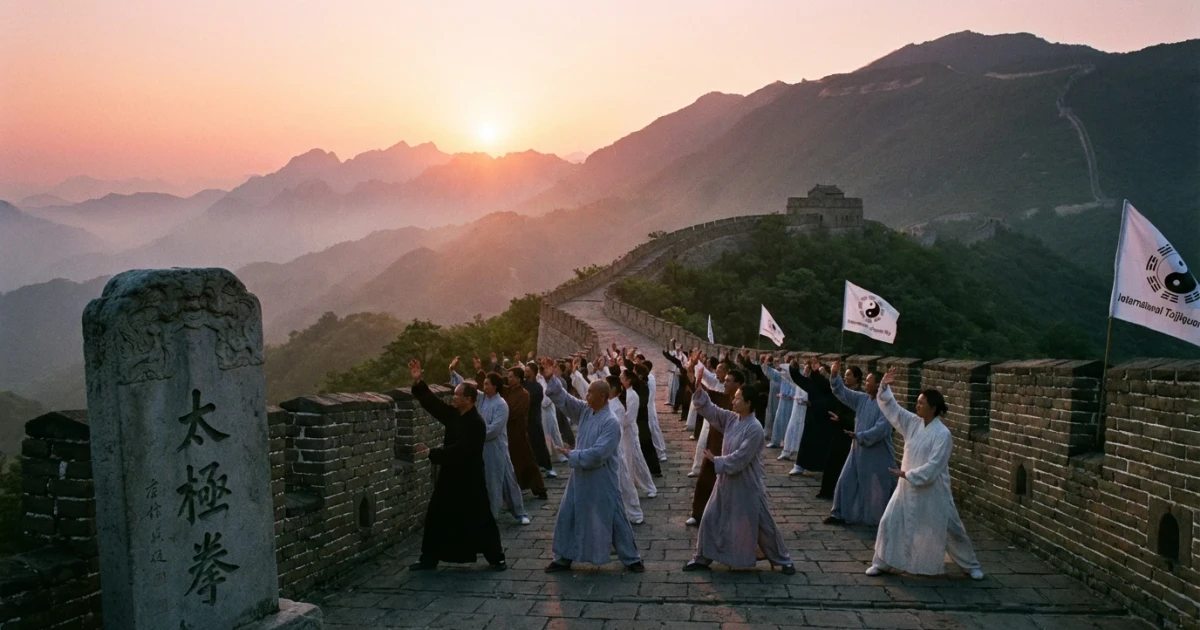
Tai Chi, also known as Taijiquan, took the spotlight on the global stage as China led celebrations for the first International Taijiquan Day, an event recognized for its widespread participation and cultural significance. The occasion underscored the ancient martial art's growing influence and its recognition by global institutions.
Worldwide Celebrations Highlight Tai Chi’s Cultural Roots
According to Xinhua, the inaugural International Taijiquan Day saw events organized not only across China but also in dozens of countries, with practitioners gathering in public squares, parks, and community centers to perform synchronized routines. The day aimed to promote awareness of Tai Chi’s status as a UNESCO Intangible Cultural Heritage, a designation it received in 2020, reflecting its deep roots in Chinese tradition and philosophy.
Organizers emphasized the art’s core values of balance, harmony, and well-being. Demonstrations included traditional forms, group exhibitions, and workshops designed to introduce Tai Chi to beginners of all ages. The official program highlighted participation from more than 80 countries, with major events in Beijing, Shanghai, London, and New York, affirming Tai Chi’s appeal as a truly global practice.
Health and Wellness Benefits Underlined by Experts
Health professionals and Tai Chi masters used the occasion to spotlight the martial art’s scientifically recognized health benefits. The World Health Organization’s physical activity guidelines recommend Tai Chi for its low-impact movements that enhance flexibility, strength, and cardiovascular health, particularly among older adults. Peer-reviewed studies, such as those summarized in the National Institutes of Health database, have linked regular Tai Chi practice to improved balance, reduced risk of falls, and mental health benefits including reduced stress and anxiety.
- Over 100 million people in China are estimated to practice Tai Chi regularly, reflecting its popularity as both a fitness routine and a cultural tradition.
- Tai Chi is increasingly integrated into healthcare and rehabilitation programs worldwide, with research supporting its effectiveness for managing chronic conditions such as arthritis and hypertension.
- According to WHO recommendations, Tai Chi’s emphasis on mindful movement and breath control makes it suitable for people of all ages and physical abilities.
Preserving Heritage and Fostering Global Exchange
China’s Ministry of Culture and Tourism noted that International Taijiquan Day provides an opportunity to strengthen cultural exchange and mutual understanding. The event’s international scope reflects ongoing efforts to preserve and promote traditional Chinese sports in the modern era. UNESCO’s official recognition of Taijiquan as an intangible cultural heritage further affirms its value as a living tradition passed down through generations.
The day also saw online seminars, video challenges, and live-streamed performances, enabling participation from practitioners unable to attend in person. Organizers hope these global activities will inspire younger generations to learn about Tai Chi’s philosophy and techniques, ensuring the art’s vitality for years to come.
Growing Popularity and Future Prospects
As the popularity of Tai Chi continues to grow, its role as both a health practice and a form of cultural diplomacy gains new significance. Data from Statista shows expanding participation rates not only in China but also in the United States, Europe, and Southeast Asia. This trend is supported by international collaborations, research initiatives, and the integration of Tai Chi into school and community fitness programs.
With the success of the first International Taijiquan Day, stakeholders anticipate even greater participation in future years. The event has set a precedent for global engagement, reinforcing Tai Chi’s dual identity as a sport for health and a bridge between cultures.