World
Taiwan drills defense of key Taipei bridge in Han Kuang exercise
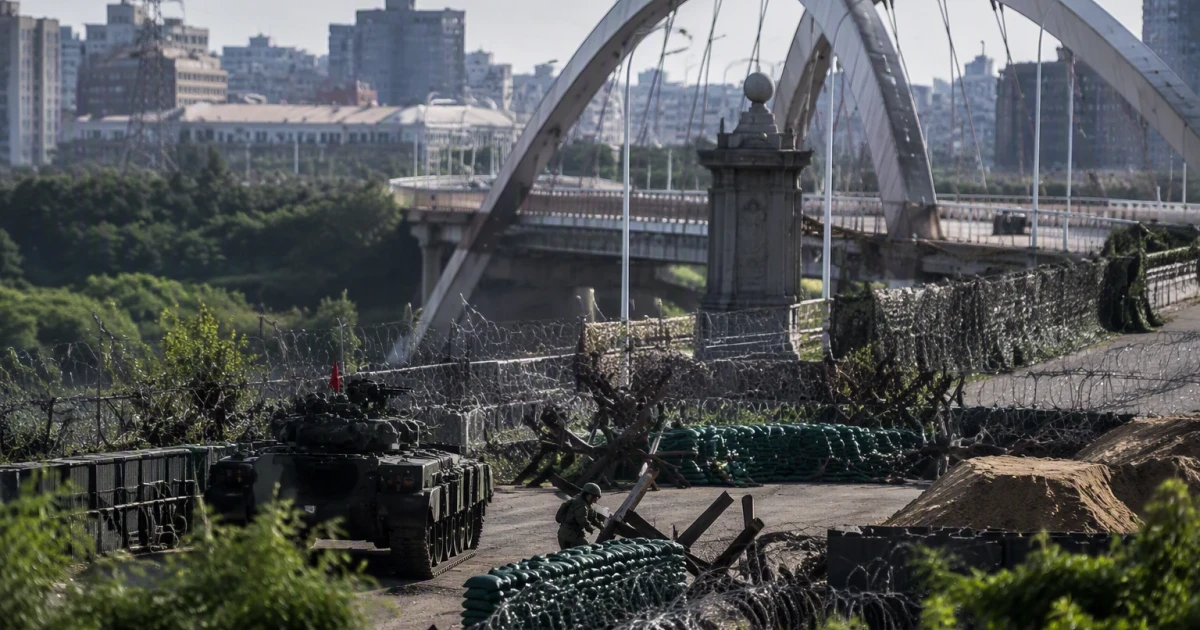
Taiwanese troops practiced defending the Danjiang Bridge in New Taipei City on Thursday, turning a newly opened crossing into a wartime obstacle site during the Han Kuang military exercise. Military vehicles blocked the span while soldiers built barriers, strung barbed wire and stacked sandbag positions across the bridge, which sits on one of the most direct routes toward Taipei.
The drill put a spotlight on a chokepoint that planners view as critical in any fight for the capital. If seized and left open, the bridge could give Chinese forces a shortcut into Taipei, making control of access routes as important as beaches or offshore approaches. The exercise showed Taiwan rehearsing delay, containment and reinforcement movement at street level, where bridges, roads and other civil works can decide how quickly a city comes under pressure.
The bridge defense was part of Taiwan’s annual Han Kuang war games, which began with major exercises on Aug. 5 to test command flexibility. Those drills also included reservist mobilization, rapid aircraft turnaround operations and emergency runway repairs, and later scenarios simulated maritime attacks, rapid deployments and coastal defense. Together, the exercises showed a military trying to expand beyond a narrow beach-defense model and practice for the moment when a crisis reaches urban terrain and critical infrastructure near the capital.
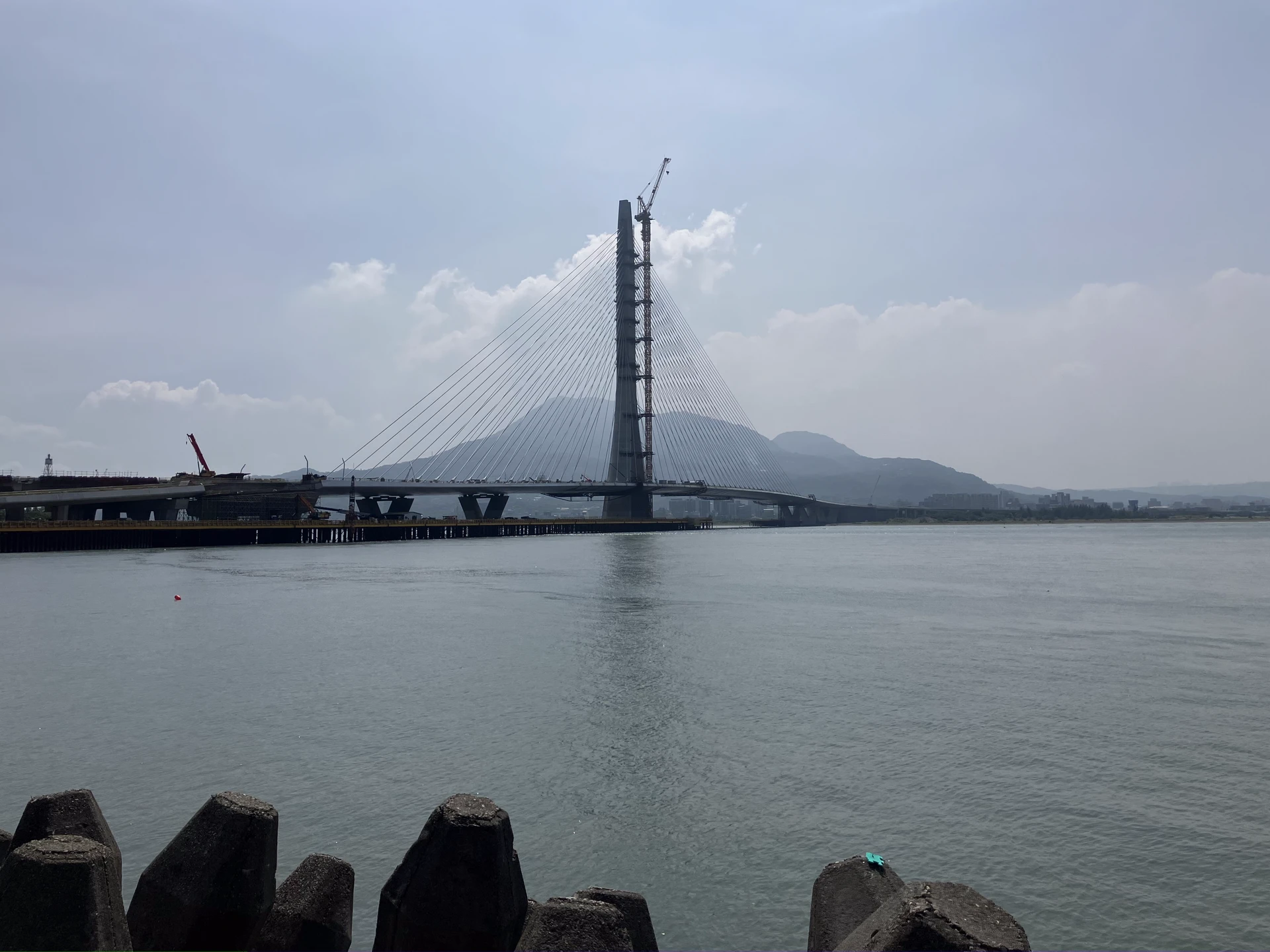
The Danjiang Bridge itself added symbolism to the drill. It officially opened in May 2026, making the New Taipei crossing one of the newest pieces of infrastructure folded into Taiwan’s defense planning. Taiwan’s Ministry of National Defense also maintains a 2026 Urban Resilience Air Defense Exercises program, and civil-defense planners have been widening drills that cover city operations under pressure, including a July 21 exercise plan to slow mobile internet as part of broader preparedness against China’s threat.
For Beijing, the bridge drill underscored that Taiwan is planning to contest any advance long before an attacker reaches the center of Taipei. For Washington and other regional capitals, it reinforced how Taiwan’s defense posture is shifting toward urban resilience, infrastructure protection and rapid mobilization. For civilians in Taipei and New Taipei City, the message was more immediate: in a crisis, bridges, transport corridors and public utilities would be part of the front line.
Sources
- [1]reuters.com
- [2]wmbdradio.com
- [3]adma.mnd.gov.tw
- [4]ait.org.tw
- [5]reutersconnect.com
- [6]straitstimes.com
- [7]taiwanplus.com
- [8]businesswire.com
- [9]pf.org.tw