World
Taiwan drills for blockade, quake and invasion in resilience exercise
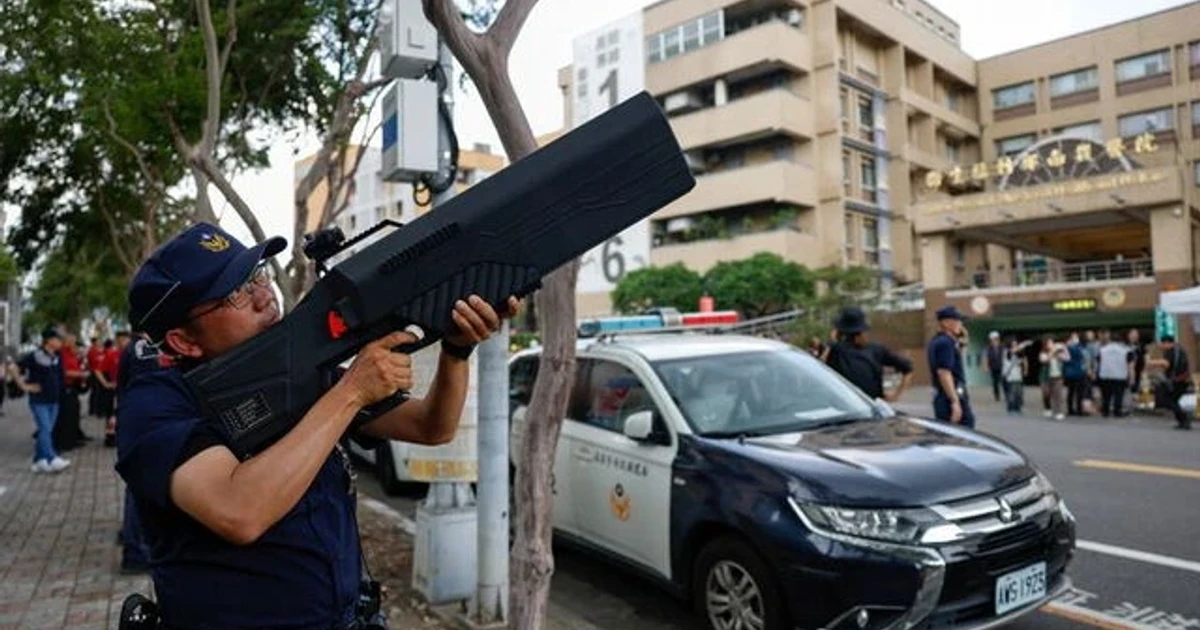
Taiwan put more than 370 government and military officials through a closed-door resilience drill in Nantou, a mountainous county in central Taiwan, rehearsing a nightmare chain of events: a Chinese blockade, a strong earthquake, hijacked television broadcasts, sabotaged infrastructure, bank runs, civil unrest and then a full-scale invasion.
The exercise was designed to see whether local and central authorities could keep the county functioning while under simultaneous military and civilian pressure. That mix of threats reflected a shift in Taiwan’s planning, where resilience drills are no longer limited to moving troops or checking communications but are meant to expose weak points in administration, emergency response and public order.
Chi Lien-cheng, the minister without portfolio overseeing the two-day exercise, framed the stakes bluntly. “Our adversary is right on our doorstep, just across the Taiwan Strait. That is very close,” he said, adding, “If you don't defend your own country, who else will defend you?” His comments captured the harder edge in Taiwan’s preparedness drive as pressure from China continues to intensify.
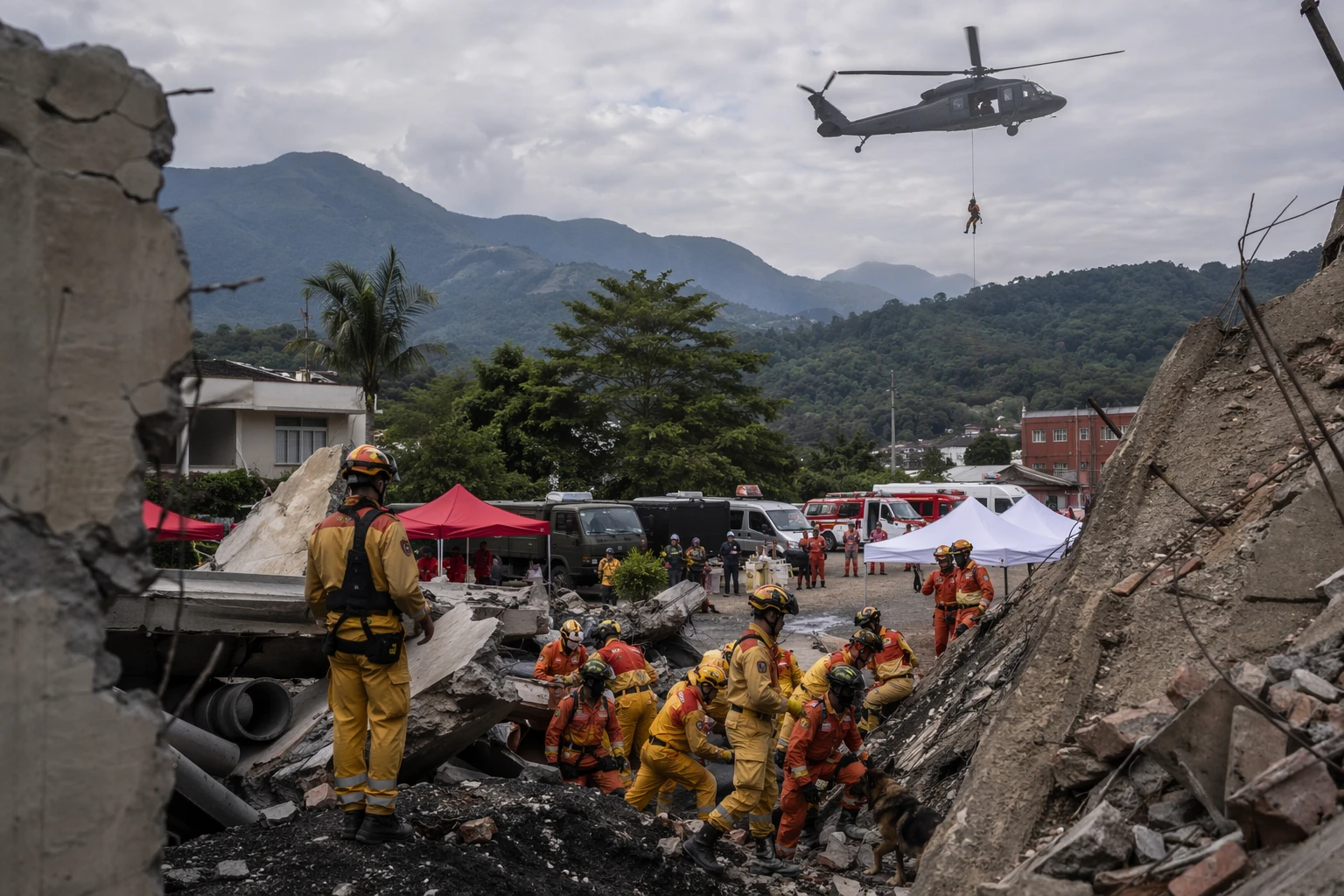
The Nantou drill was part of Taiwan’s Urban Resilience Exercises, which officials said were expanded this year to test more realistic crises instead of scripted scenarios. The program was scheduled to run for five months through August and overlap with the Han Kuang military exercises, tying civil defense more tightly to battlefield planning. Taiwan has increasingly treated resilience as a deterrence tool, one aimed at proving that Beijing could not assume the island would collapse quickly under blockade or sabotage.
That approach is anchored in the Whole-of-Society Defense Resilience Committee, which President Lai Ching-te announced on June 19, 2024, at the Presidential Office. Lai said the committee was meant to ensure that government and society could keep operating during national emergencies or natural disasters, and said he would serve as convener, with Vice President Bi-khim Hsiao, Pan Men-an and Joseph Wu as deputy conveners.
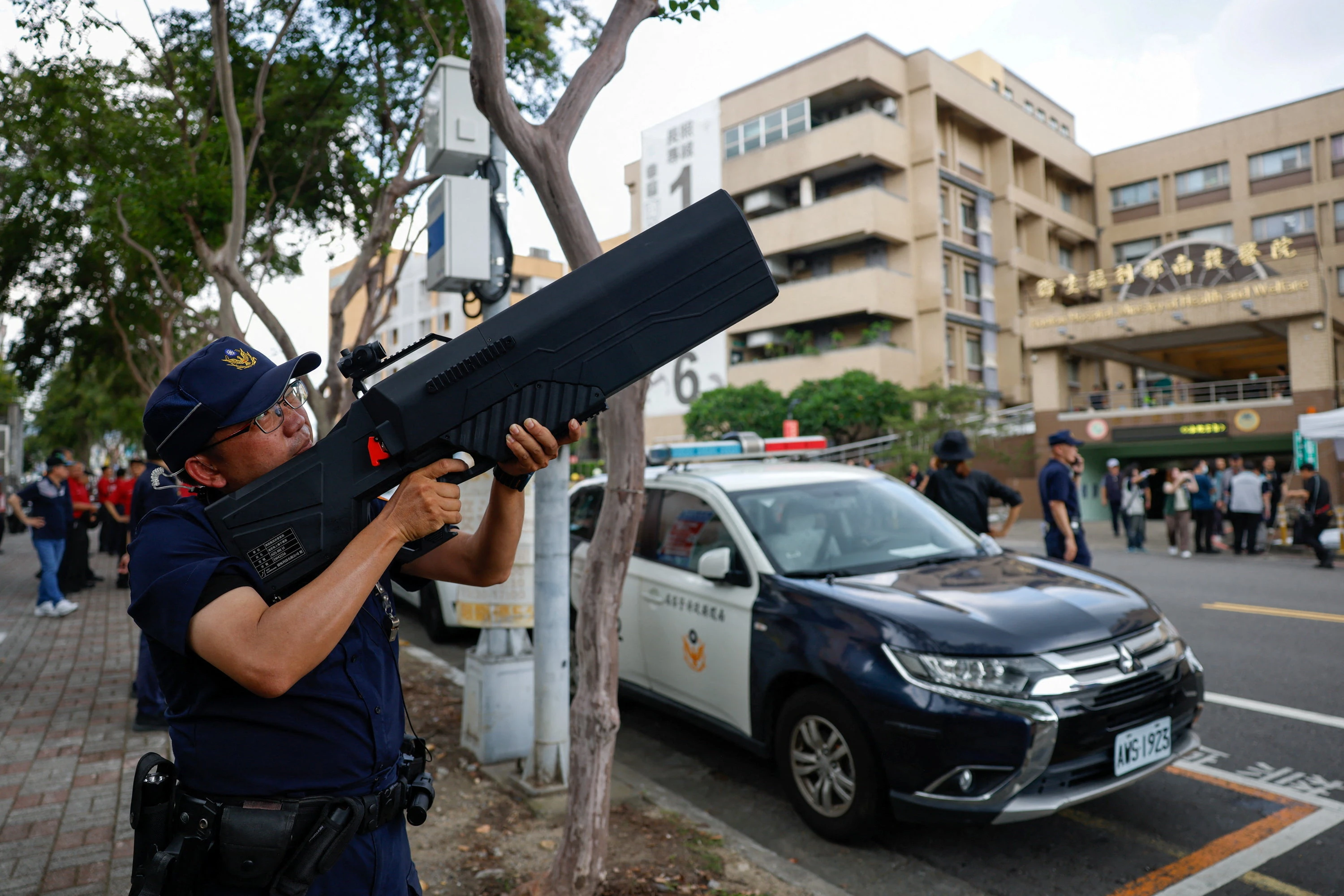
The Nantou exercise fit into a broader pattern. In June 2026, Taiwan also held a tabletop drill simulating a Chinese maritime blockade, including scenarios in which Beijing demanded approval for Taiwan-bound shipping and could board or seize ships. Taken together, the drills show Taiwan preparing for a compound crisis in which war, disruption and disaster could hit at once, and where endurance of civilian systems may matter as much as firepower.
Sources
- [1]usnews.com
- [2]english.president.gov.tw
- [3]taipeitimes.com
- [4]taiwanplus.com
- [5]brookings.edu