World
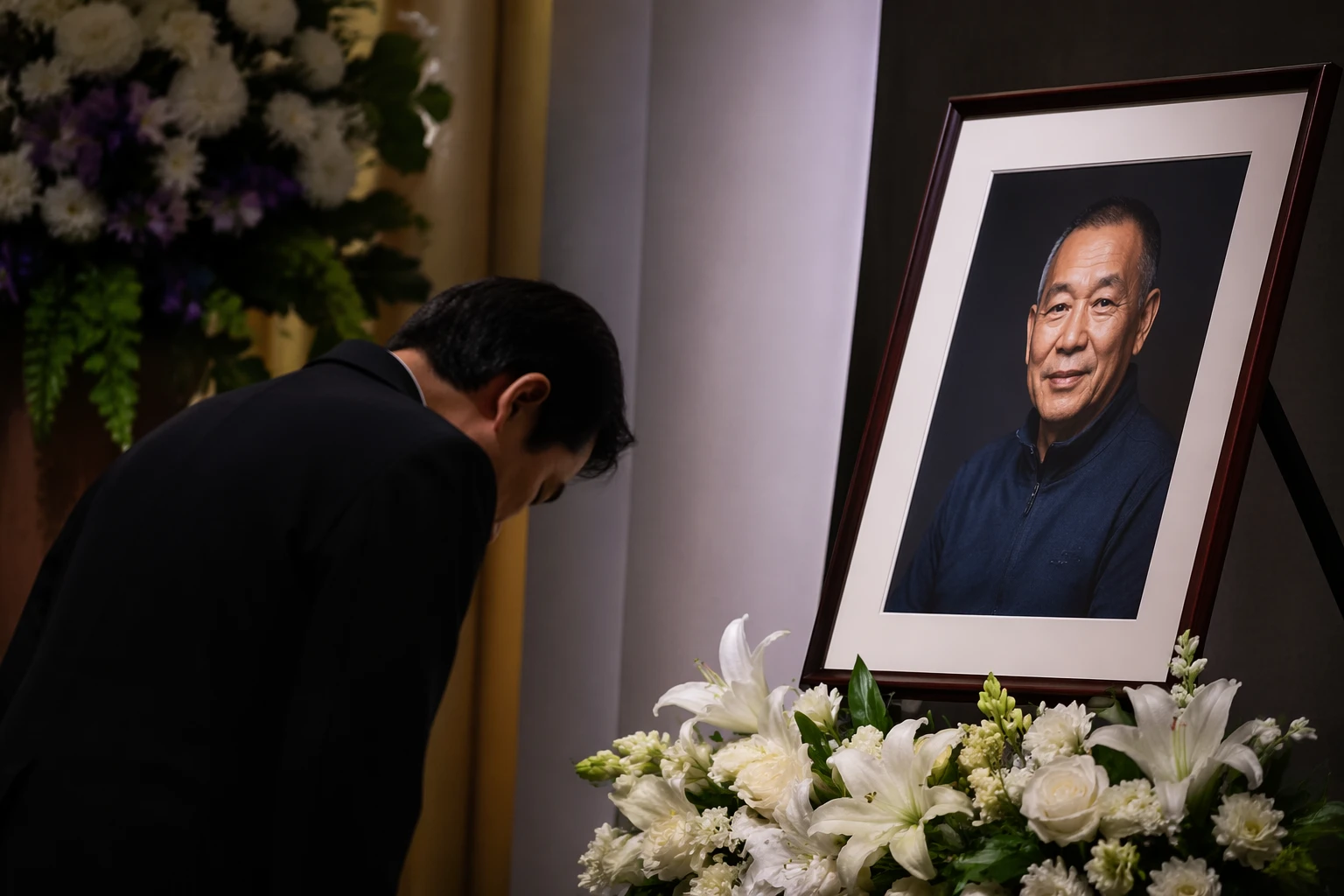
Taiwan leader honors Hong Kong bookseller Lam Wing-kee after death
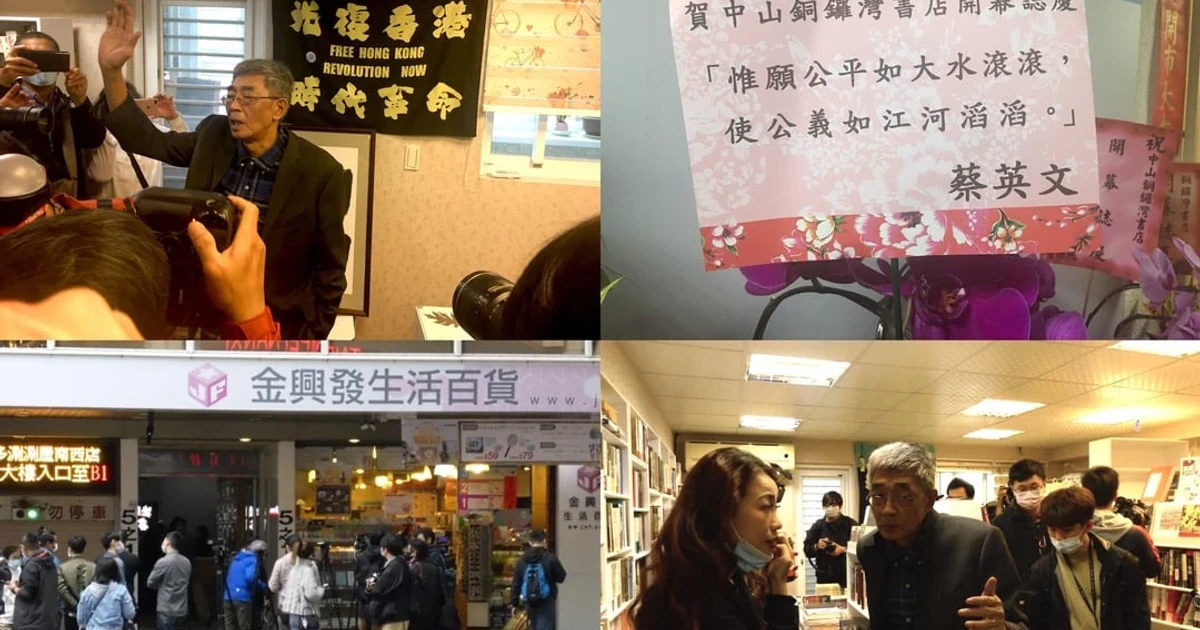
Taiwan President Lai Ching-te honored Hong Kong bookseller Lam Wing-kee after Lam died at Mackay Memorial Hospital in Taipei at age 70 following a cancer relapse. The tribute came as Lam’s long fight over free expression and Beijing’s pressure on Hong Kong took on new weight far beyond Causeway Bay.
Lam was one of five people linked to Causeway Bay Books who disappeared in late 2015, a case that jolted Hong Kong and drew international outrage. The bookstore had sold books and magazines said to expose the private lives and scandals of Chinese leaders, and Lam later described his detention by Chinese authorities, turning his disappearance into one of the clearest warnings of how far Beijing’s reach could extend into Hong Kong.
Lai offered condolences in a Facebook post and wrote, “The passing of Mr Lam Wing-kee is deeply saddening, but the courage he left behind would not fade.” He said Taiwan would remember Lam as someone who showed how precious freedom is and why democracy must be defended by generation after generation. Lai also expressed sympathy to Lam’s family, friends and others who care about freedom and democracy in Hong Kong.
Lam had moved to Taipei in 2019 because of fears of legal trouble and reopened Causeway Bay Books in the Taiwanese capital in 2020. Taiwan’s Ministry of Culture said he launched a crowdfunding drive in 2019 called “Restart Causeway Bay Books” and raised more than NT$5.97 million to bring the shop back in Ximending, a district that became part of his effort to keep Hong Kong’s dissident publishing culture alive in exile.
Lam’s death came while concern remained high over tighter national security controls in Hong Kong after the 2019 pro-democracy protests. His disappearance in 2015 had already become a symbol of resistance to Beijing’s crackdown on free speech; his move to Taipei and the reopening of the bookstore turned that symbol into a physical presence in Taiwan, where his name stayed tied to the fight over political pressure, cultural memory and the space left for dissent.
Sources
- [1]news.google.com
- [2]scmp.com
- [3]apnews.com
- [4]koin.com
- [5]moc.gov.tw
- [6]taipeitimes.com