World
Taiwan opposition leader seeks to reassure US lawmakers on China stance
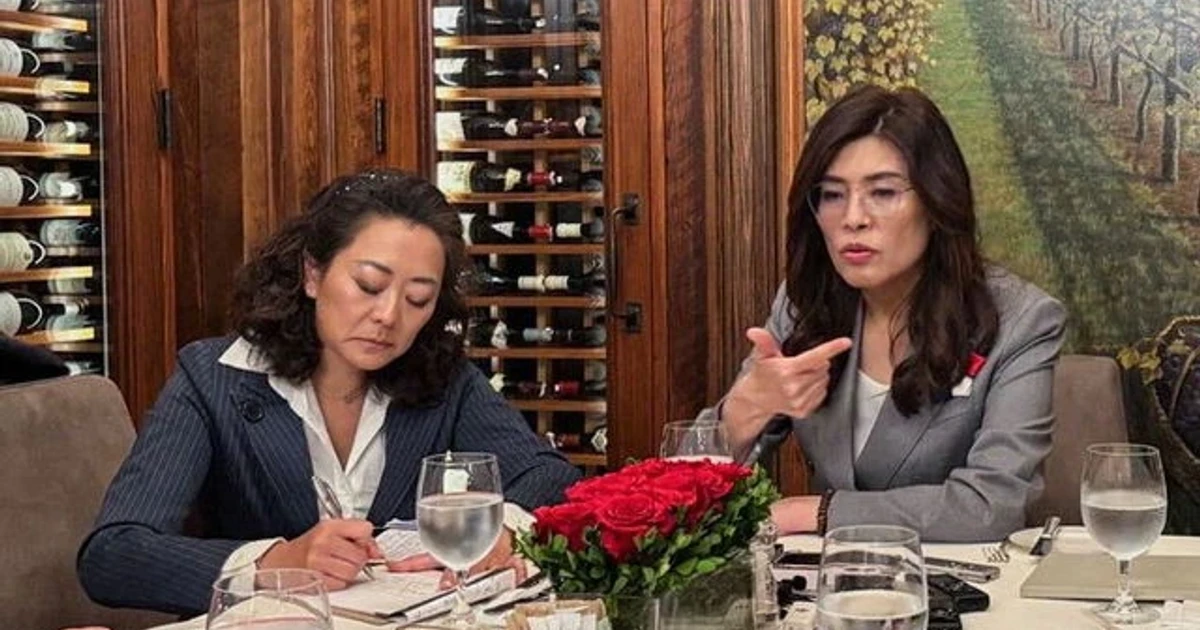
Cheng Li-wun spent her Washington meetings trying to convince U.S. lawmakers that Taiwan’s main opposition party is not drifting toward Beijing, after an April trip to China drew unusual scrutiny in the United States. The Kuomintang chairwoman said she met nine members of Congress, along with academics and think-tank representatives, and that her purpose was to correct what she described as widespread misunderstandings about the party’s pro-engagement approach to China.
The visit carried added weight because Cheng had just returned from China, where she became the first sitting leader of Taiwan’s main opposition party to travel there in a decade. During that trip, which ran from April 7 to April 12 and included stops in Shanghai, Nanjing and Beijing, she met Xi Jinping in Beijing on April 10. Cheng said then that she wanted to promote cross-strait peace, and the Kuomintang framed the trip as an effort to strengthen exchanges and secure stability in the Taiwan Strait.
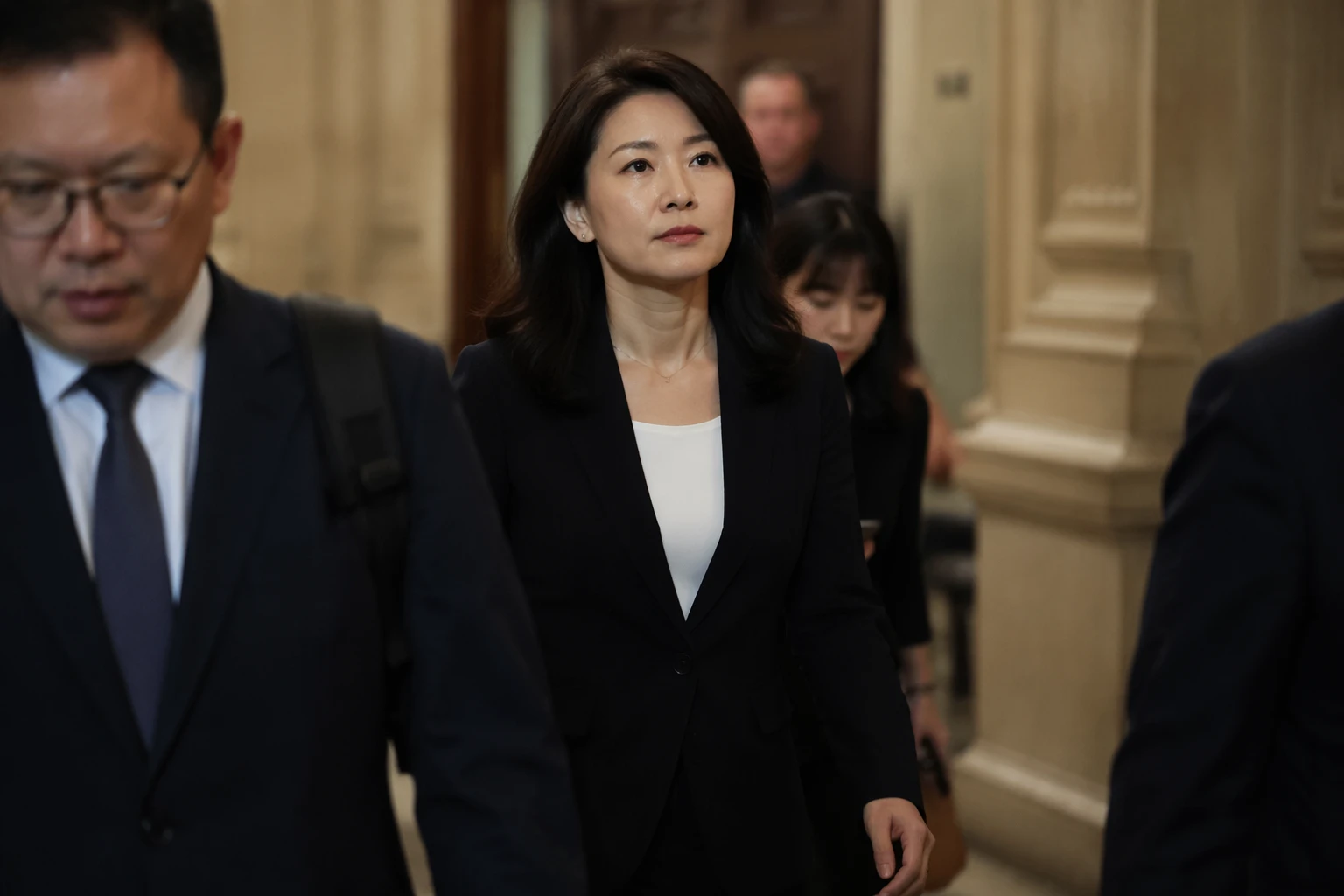
In Washington, the focus shifted from symbolism to defense and deterrence. The Kuomintang and its smaller partner, the Taiwan People’s Party, hold a parliamentary majority in Taiwan and have faced sharp criticism in Washington for cutting by one-third a government plan to spend an extra $40 billion on arms. Congressional research material says Taiwan’s president has said defense spending could rise to around $31 billion, or about 3.3% of GDP, in 2026, up from roughly 2.5% of GDP in 2024. Senator Dan Sullivan warned that the Kuomintang was playing with fire, reflecting a wider concern among U.S. hawks that any softening on defense could weaken deterrence at a moment of rising pressure from China.
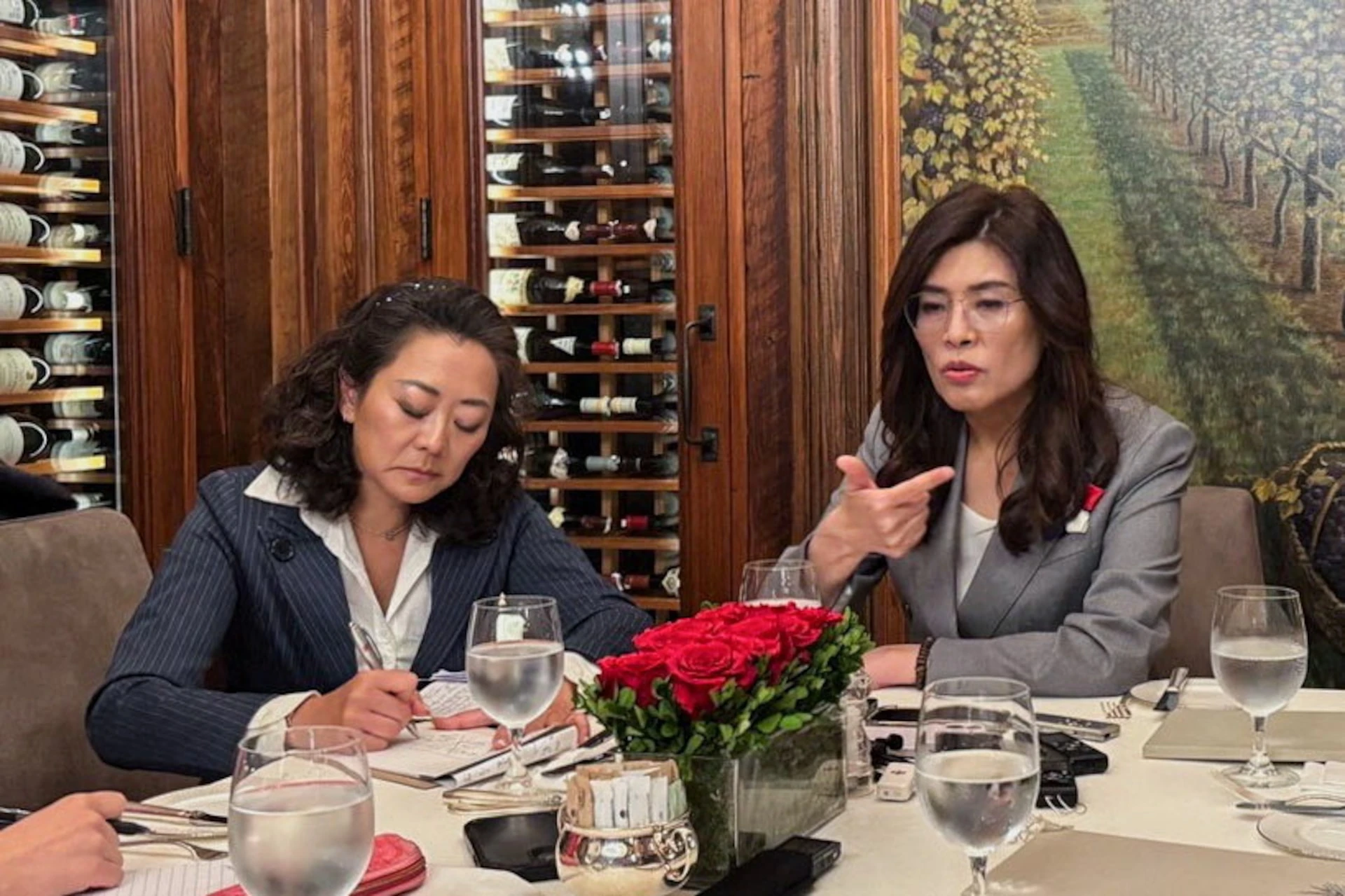
Cheng answered that she had been honest and candid in her meetings and said interlocutors had seen “the real KMT and the real me.” She also argued that seeking peaceful dialogue across the Taiwan Strait does not mean abandoning Taiwan’s defense capabilities, democracy or freedom. That message sits inside the long-running U.S. policy framework set by the 1979 Taiwan Relations Act, under which the State Department says Washington provides Taiwan with defense articles and services as necessary to help it maintain a sufficient self-defense capability and opposes unilateral changes to the status quo.
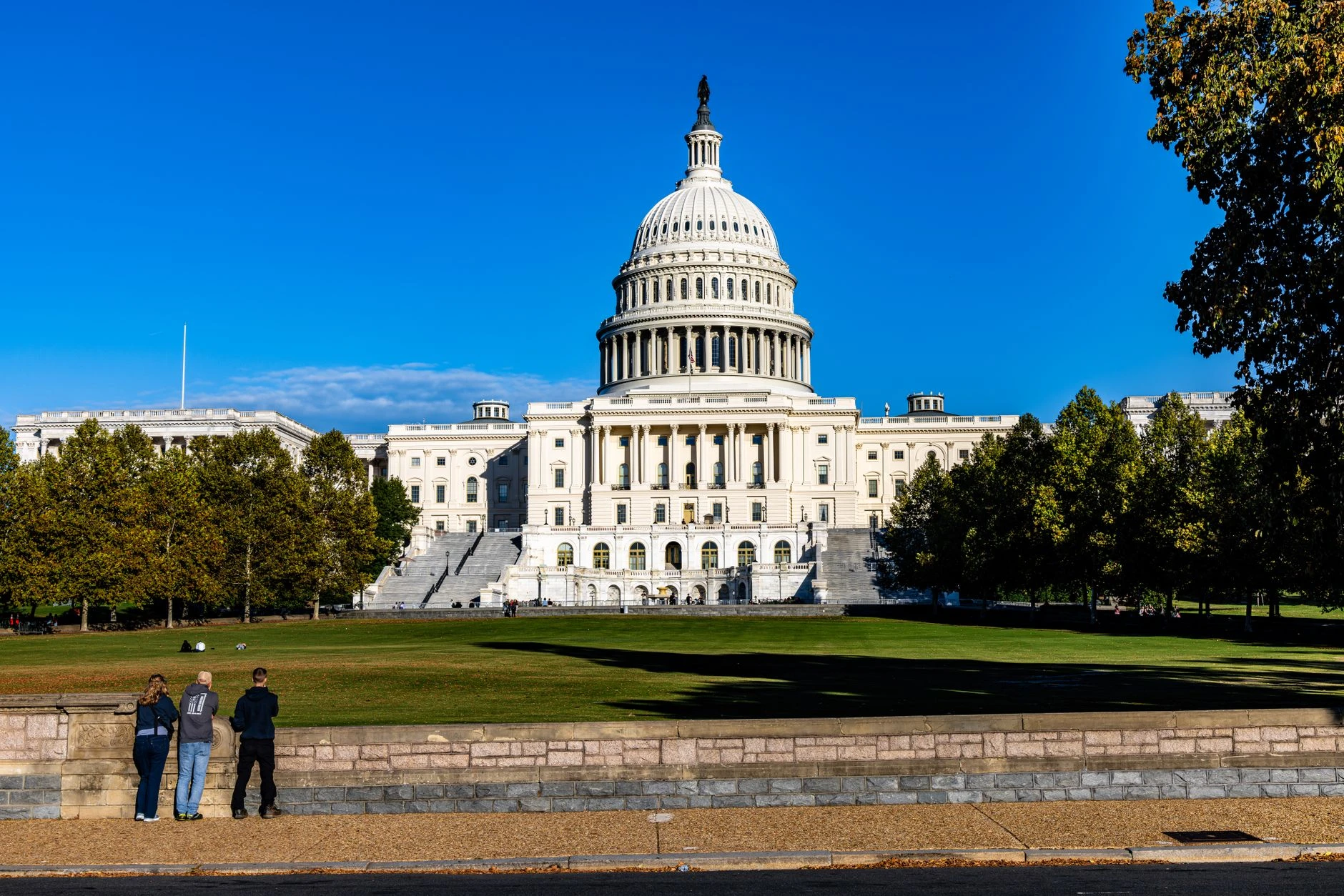
Cheng also praised Donald Trump and Xi for their recent summit, saying it helped stability, while declining to comment on Trump’s remark that a pending U.S. arms sale to Taiwan could be used as a negotiating chip. For Washington, the test now is whether Cheng’s outreach has shifted the debate from suspicion about the Kuomintang’s China ties to a broader question about Taiwan’s political consensus on defense, deterrence and cross-strait stability.
Sources
- [1]usnews.com
- [2]dw.com
- [3]congress.gov
- [4]2021-2025.state.gov