World
Taiwan plans 16% defense spending increase as China pressure grows
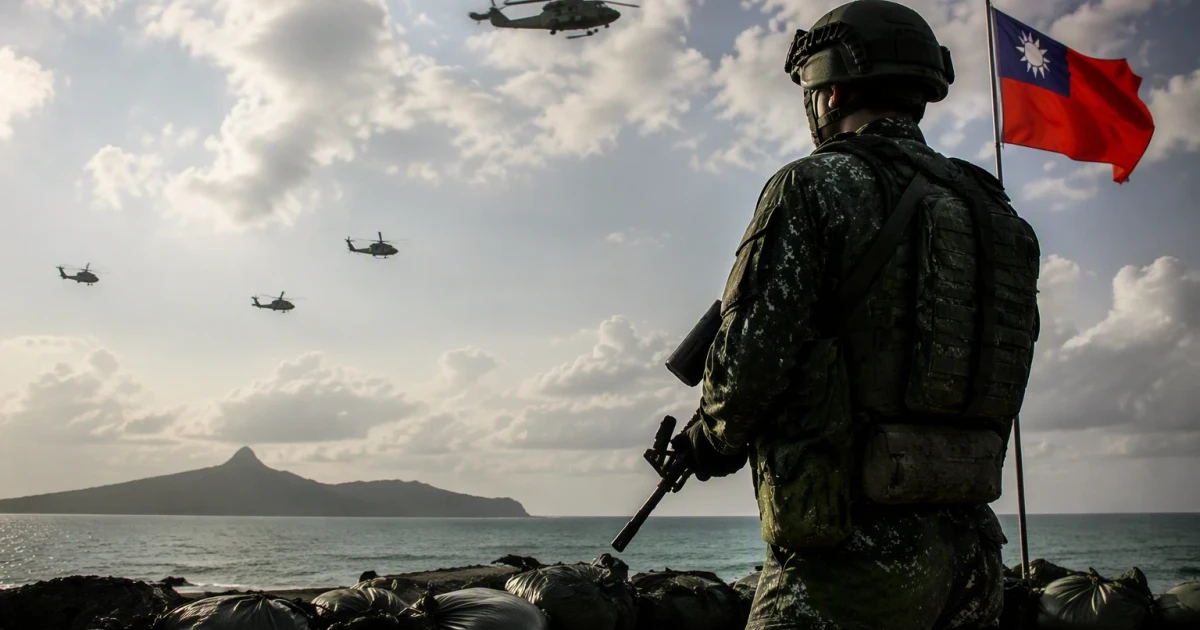
Taiwan’s cabinet was preparing to ask for a 16% rise in defense spending for 2027, a move that would push the island’s military budget above T$1 trillion for the first time. The plan marked more than a larger bill: it showed Taipei trying to buy time, harden its defenses and make any Chinese move costlier as pressure from across the Taiwan Strait continued.
The proposed budget, expected to top T$1.1 trillion, was set to be introduced on August 20. It reportedly included funding for the coast guard, veterans and special projects, broadening the spending beyond frontline weapons to the wider machinery of deterrence and resilience. That matters in Taiwan, where defense planning has increasingly centered on surviving the opening stages of a crisis, keeping command systems working and sustaining public confidence long enough for outside support to matter.
President Lai Ching-te and Defence Minister Wellington Koo underscored that message on August 8, when they inspected a drone operation at a navy base in Kaohsiung during the annual Han Kuang exercise. The public display of drones fit Taiwan’s shifting military priorities: asymmetric systems that can complicate an attack, air defense, missile stockpiles, communications resilience, logistics and training. Those are the kinds of capabilities Taipei is trying to build while facing a much larger Chinese military with deep missile, naval, air and cyber capacity.
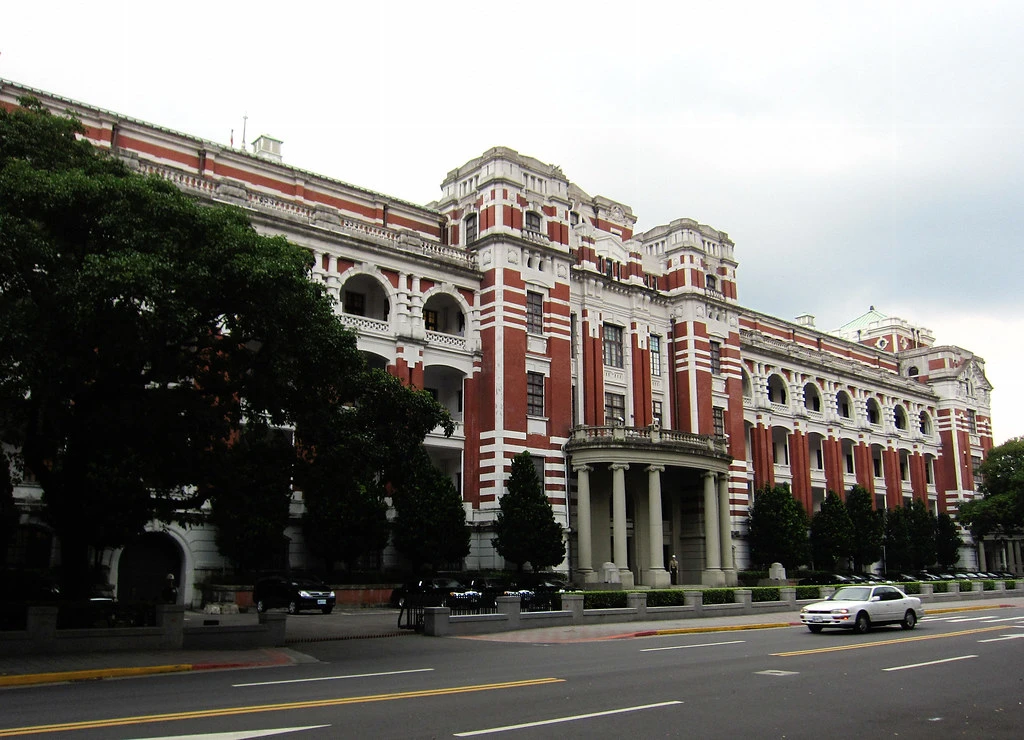
The budget also carried a diplomatic signal. A bigger defense package tells Beijing that coercion is not likely to change Taiwan’s course, and it tells Washington that Taipei is trying to shoulder more of its own security burden as U.S. commitments in the Indo-Pacific are watched closely. That calculation has become more urgent as governments across East Asia expand military budgets and reassess the region’s balance of power.
Japan’s government has also been portraying its own military buildup as part of economic prosperity, a reminder that defense spending has become entwined with strategy, industry and national resilience across the region. For Taiwan, the 2027 plan suggested a long-term shift away from symbolic upgrades and toward a layered posture meant to preserve flexibility in a crisis and complicate any Chinese attempt to impose its will by force.
Sources
- [1]reuters.com
- [2]thestatesman.com
- [3]cbc.ca
- [4]bloomberg.com
- [5]japantimes.co.jp