World
Taiwan president oversees coastal strike drill amid China threat
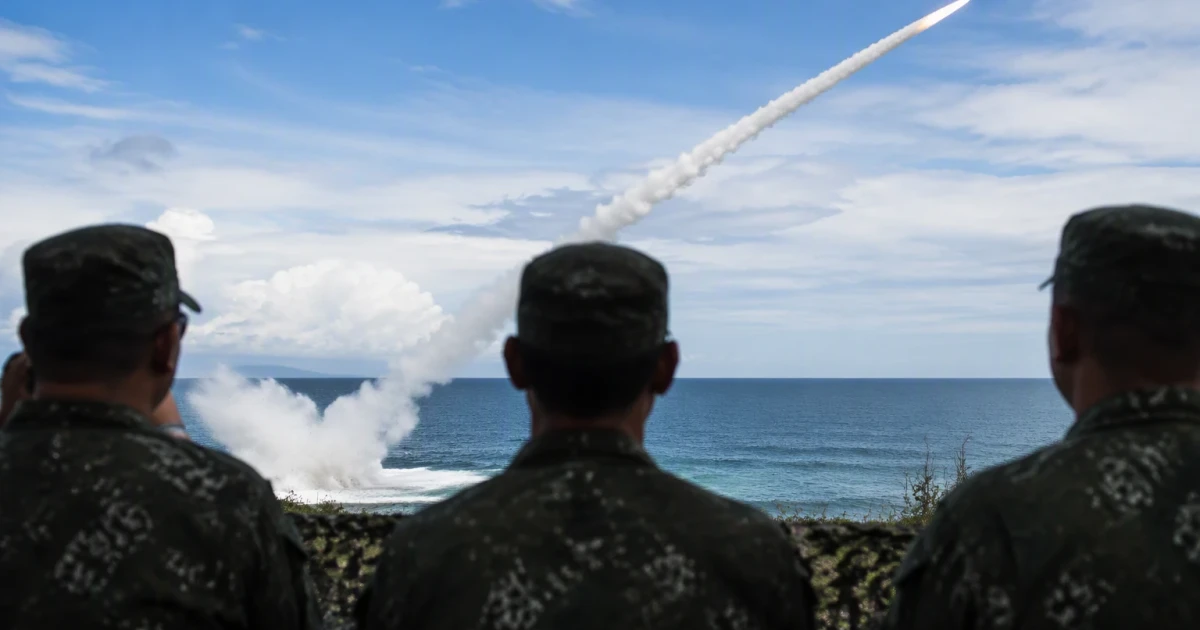
Taiwan’s president oversaw a coastal strike drill on Aug. 8, giving this year’s annual war games extra political weight as Taipei sharpened its deterrence message to Beijing and reassured a public living under constant military pressure. The exercise centered on how Taiwan would respond at the shoreline, where ports, radar systems and response forces would be among the first targets in any conflict.
The drill fit into a broader effort to show that Taiwan’s military is not only training but adapting. Coastal defense has become a core priority because any large-scale attack on the island would likely come by sea and air, forcing commanders to detect incoming threats, coordinate across the armed forces and keep communications and logistics working under fire. The appearance of the president turned that military rehearsal into a national statement about sovereignty and readiness.
Taiwan stages these exercises every year, but their visibility matters as much as their mechanics. With Chinese air and naval activity around the island now routine, the government uses public drills to show residents that planning is underway and that civil and military authorities are treating the threat as real. The signal is also aimed outward, including at allies that want to see Taiwan strengthening resilience through better coordination, arms purchases and strategic partnerships.
The coastal strike scenario is especially sensitive because it mirrors the most widely discussed paths of attack: amphibious landings, missile strikes and blockade tactics. Training around those contingencies requires rapid deployment, command-and-control procedures and the integration of newer weapons systems with older coastal defenses. By putting the president on site, Taiwan underscored that this is not a routine military exercise but part of a larger effort to make any move against the island more difficult and more costly.
The stakes extend well beyond Taiwan’s shoreline. The Taiwan Strait remains one of the world’s most dangerous flashpoints, and any miscalculation there could reverberate through U.S.-China relations, regional security and global supply chains tied to the island’s ports and semiconductor industry.
Sources
- [1]reuters.com