Science
Taiwan road closures, bamboo bridges boost giant crab survival

Temporary road closures and bamboo bridges have cut deaths among Taiwan’s largest terrestrial crabs in Taijiang National Park, where the animals move across roads during breeding season to reach the sea and lay eggs. Park director Chen Jun-shan said the measures reduced roadkill and helped push observed crab numbers from more than 5,000 a year in earlier periods to more than 10,000 last year.
The Dream Lake area in Chengxi Village, Annan District, and the surrounding coastal forests hold Taiwan’s largest population of Cardisoma carnifex, also known as the mangrove land crab or chestnut crab. The crab breeding season runs from June to November, and Taijiang’s traffic controls are being rolled out in stages in July, late August and early September to match the peak crossing period.
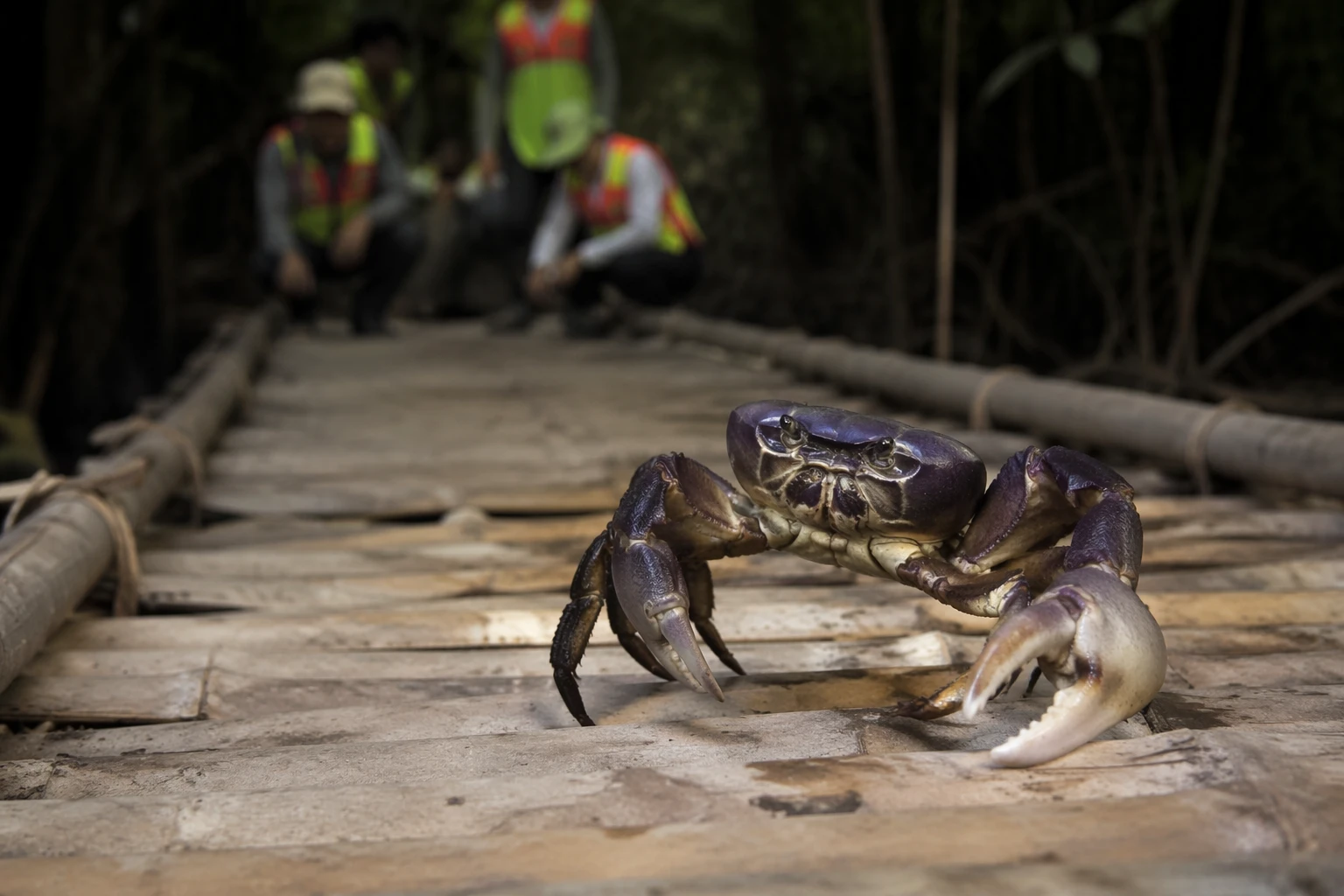
Mangrove land crabs return nutrients to the soil and help strengthen the coastal forest belt, so protecting them also protects the wetland and forest edge that supports other wildlife. The park has also brought in Wetlands Taiwan to organize a Citizen and Scientist Action Plan to Protect Land Crabs, adding volunteer monitoring to the road closures and bamboo crossings.
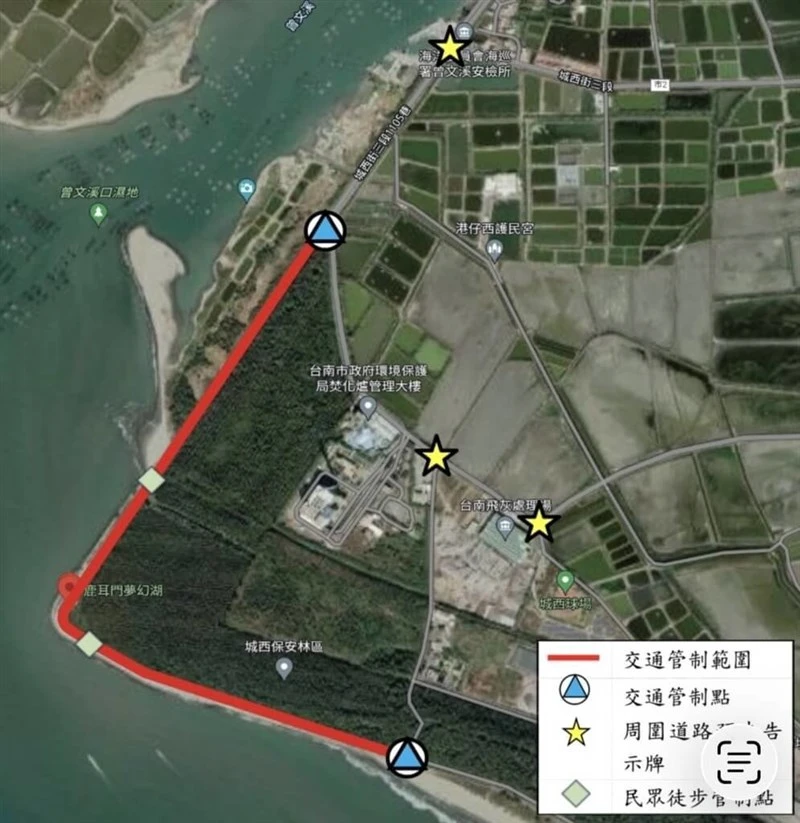
Approved by Taiwan’s Executive Yuan on September 28, 2009, and with its headquarters inaugurated on December 28, 2009, Taijiang became Taiwan’s eighth national park and now covers 39,310 hectares on the southwest coast. Its wetland and estuary areas include habitat that has made the park a major wintering site for black-faced spoonbills, which migrate to Taiwan, Hong Kong and Vietnam from late September through the following April.
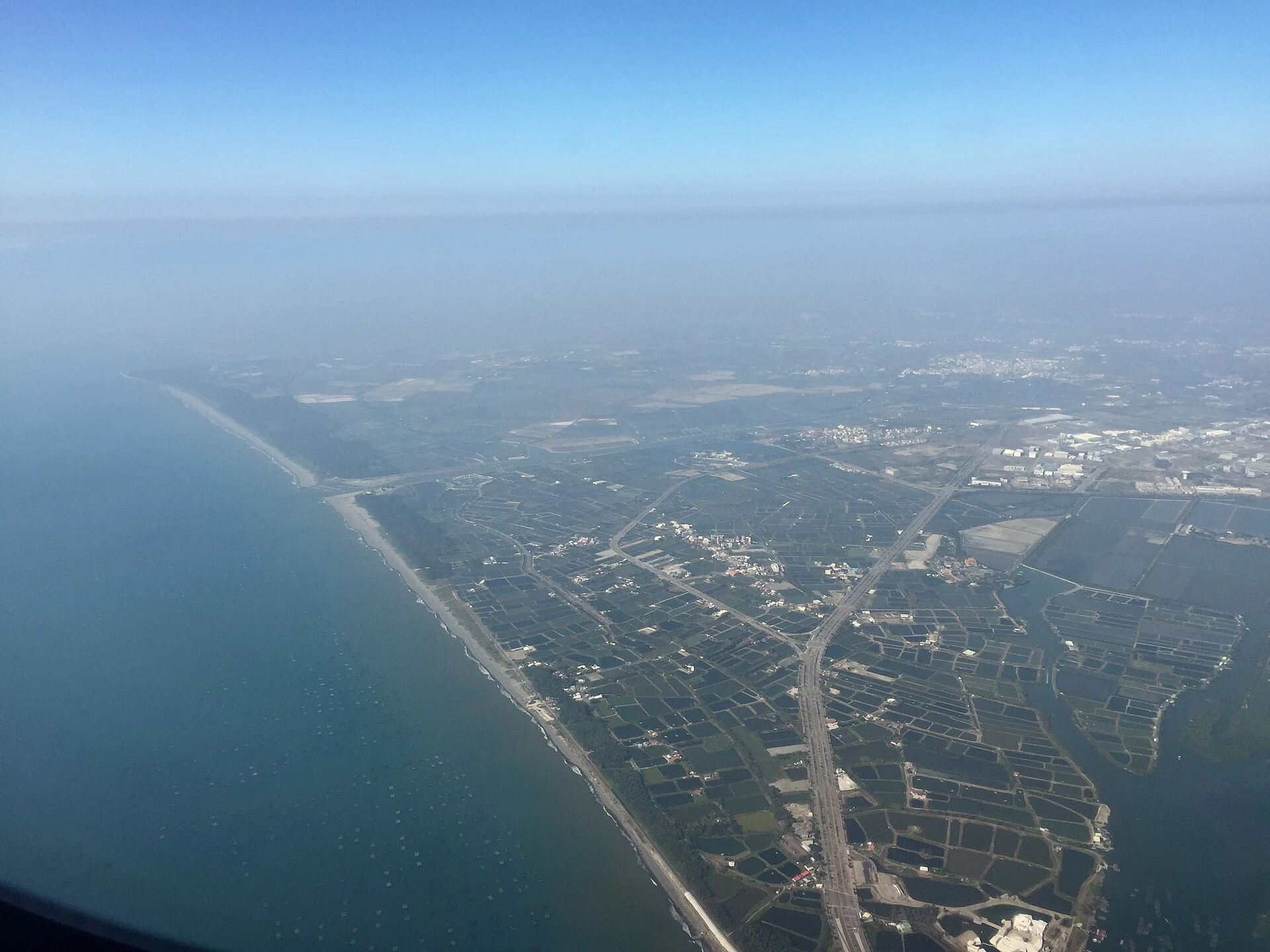
The black-faced spoonbill is listed as Vulnerable on the International Union for Conservation of Nature Red List after recovering from near extinction. Development around the Qigu and Tsengwen River estuary could still affect its habitat.
Sources
- [1]usnews.com
- [2]taiwan.nps.gov.tw
- [3]tjnp.gov.tw
- [4]eng.taiwan.net.tw
- [5]datazone.birdlife.org
- [6]focustaiwan.tw