Lifestyle
Taiwan sends premium mangoes to Europe in export test
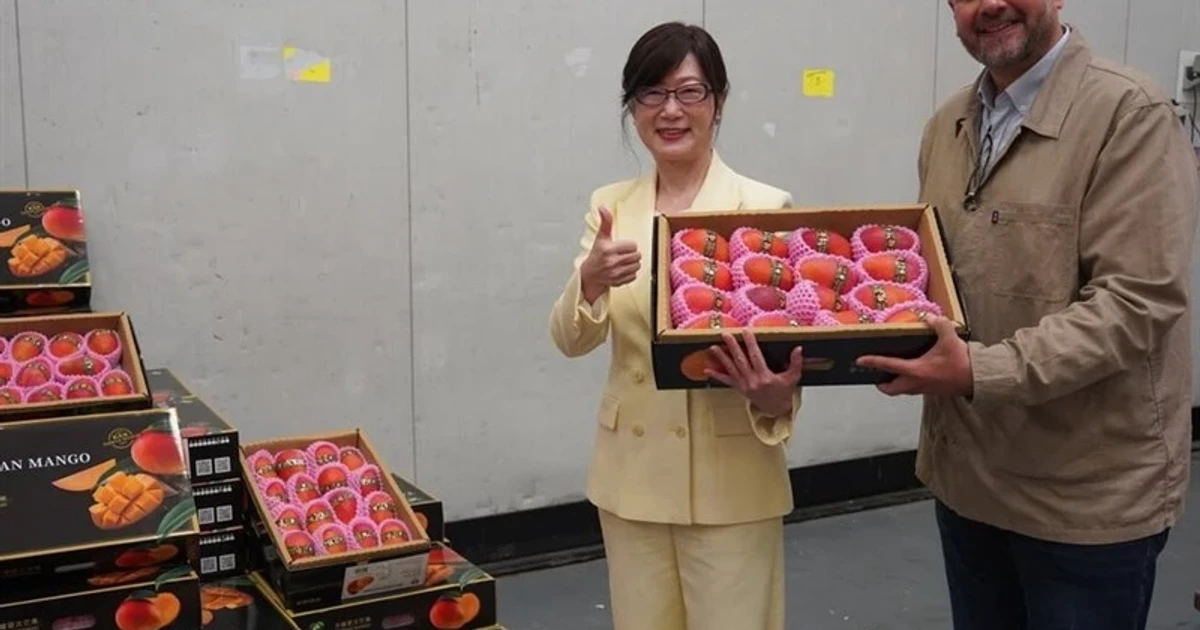
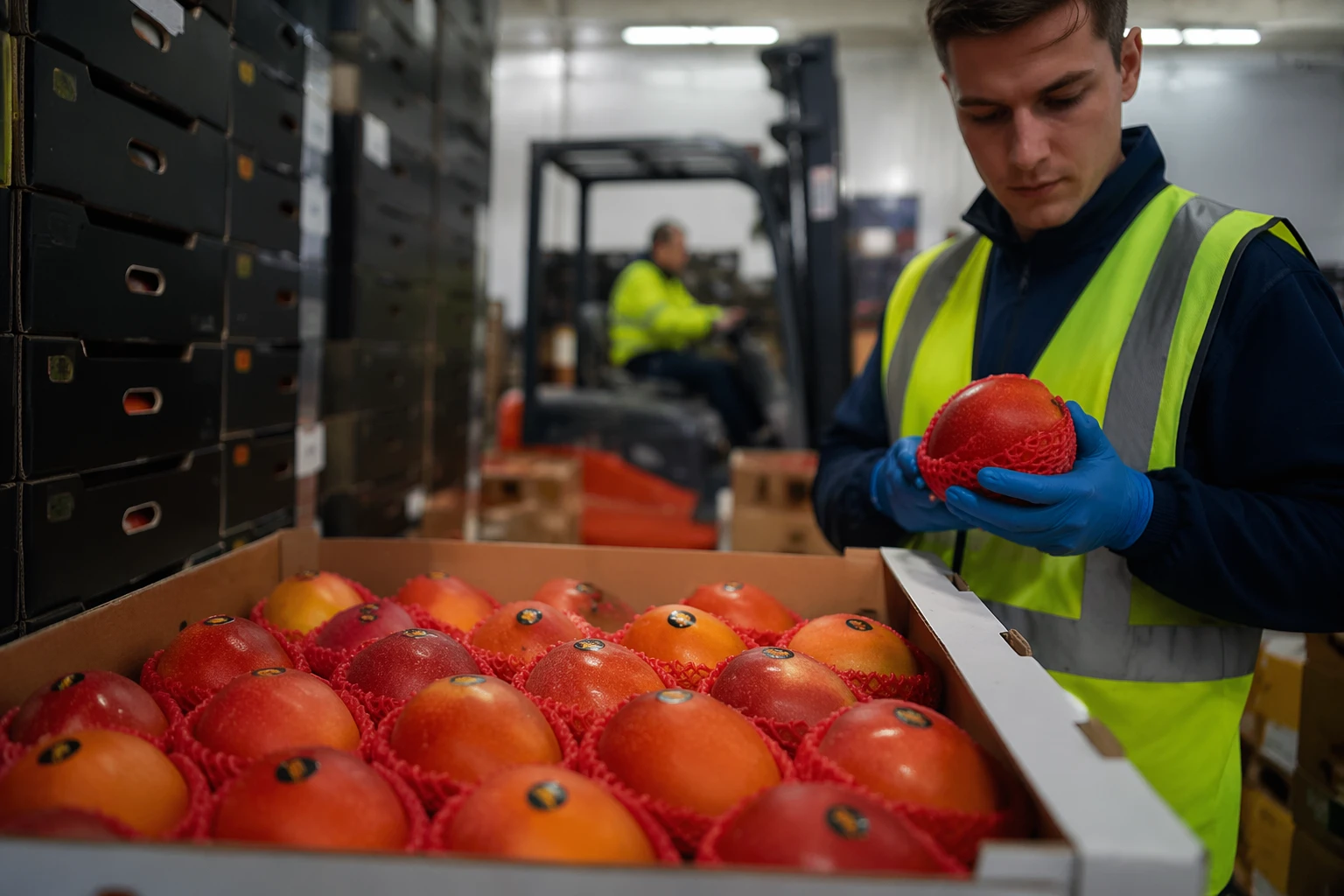
Taiwan sent its first premium mango shipments to France and Britain, a trial that blends agriculture with a broader effort to diversify exports under pressure from China. The first British consignment was a 500-kilogram batch of Tainan Irwin mangoes flown out in late June, while Taiwanese mangoes reached France through Paris’s Rungis wholesale market, a gateway for Michelin-starred restaurants, hotels and major retailers.
The Ministry of Agriculture called the move a breakthrough after years of phytosanitary negotiations with Europe. Taiwan produced 102,578 metric tons of mangoes in 2025, but exported only 836 metric tons of fresh fruit, most of it to nearby Asian markets. Japan, Hong Kong and South Korea were the top three destinations, underscoring how far Europe still sits from Taiwan’s normal trade lanes.
That is why the European trial matters. David Chen, chief executive of Natural House Taiwan, said export costs have become extremely high, but buyers still took the fruit at elevated prices because Taiwanese mangoes can compete on taste. Farmers such as You Tsang-fu in Taitung are using small shipments to test whether European consumers will pay for a fruit that has long been prized at home but rarely seen outside the island.
The political backdrop gives the mangoes extra weight. President Lai Ching-te said last month that China had weaponized fruit through import bans, while Beijing has said the restrictions were based on phytosanitary concerns. For Taiwan, sending mangoes to Europe is not just about moving produce farther afield; it is also about proving that the island can build commercial ties beyond a market that has repeatedly used agriculture as leverage.
European rules make that test demanding. The European Commission says certain plants and plant products entering the bloc need phytosanitary certificates showing they have been inspected and are free of quarantine pests. Taiwan’s agriculture ministry said the first European fruit exports marked a breakthrough after years of work to clear those barriers, with separate agreements opening the EU market to Taiwanese guava and mangoes in June 2025 and to lychees and dragon fruit in February 2026.
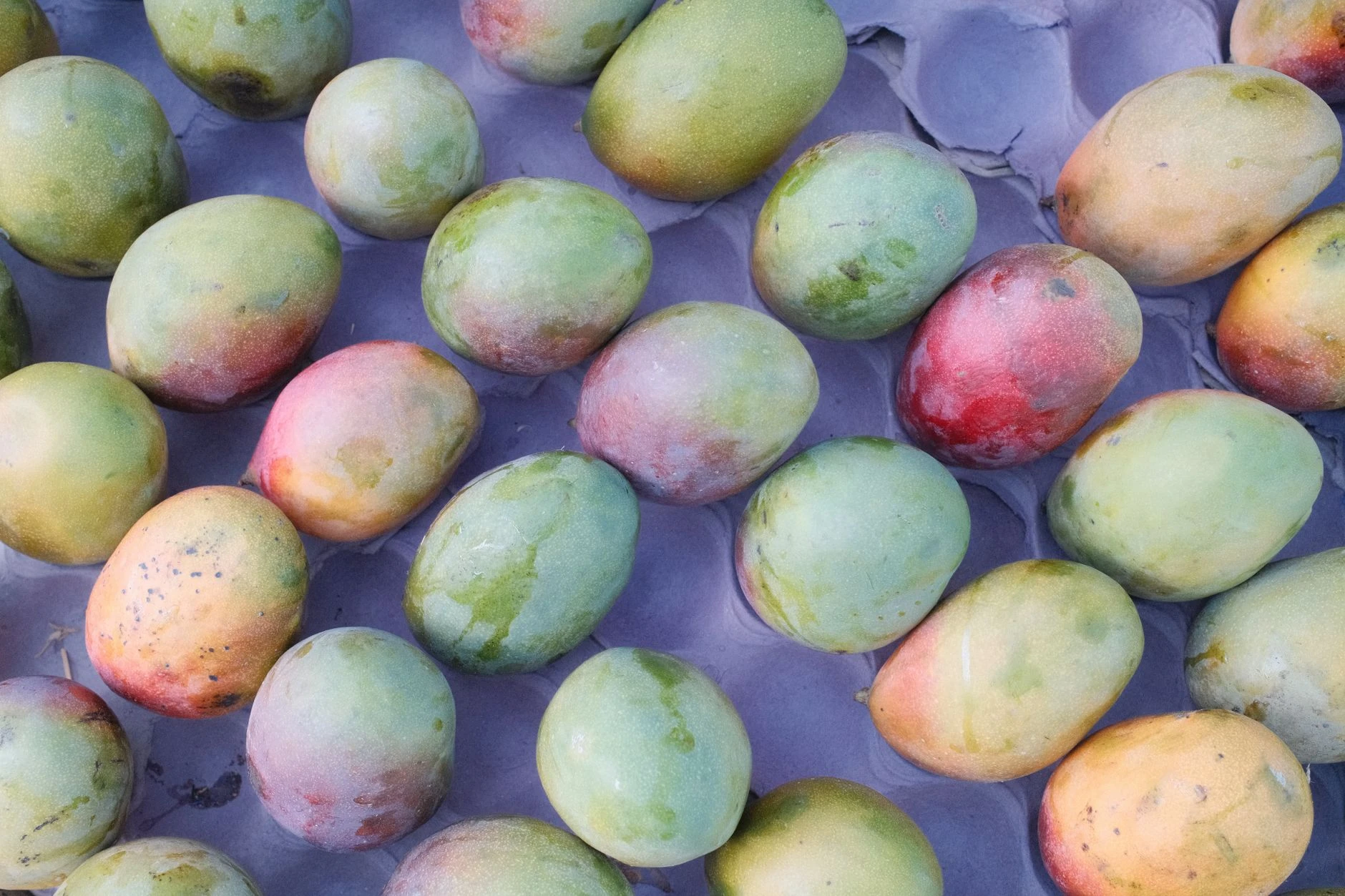
The opportunity is real, but so is the competition. CBI lists the Netherlands, Spain, Germany, France and Belgium among Europe’s main fresh-mango importers, with Brazil and Peru as the biggest suppliers and additional volumes from West Africa, the Middle East and Spain. Taiwan is aiming at premium channels rather than mass supermarket shelves, building on the Irwin mango variety introduced in the 1960s, which became the island’s signature premium fruit. In that sense, the mango shipment is a small box of fruit with a larger job: to show that Taiwan can sell quality, not just chips, and do it under pressure.
Sources
- [1]ca.finance.yahoo.com
- [2]msn.com
- [3]rti.org.tw
- [4]focustaiwan.tw
- [5]moa.gov.tw
- [6]food.ec.europa.eu
- [7]cbi.eu
- [8]planthealthportal.defra.gov.uk