World
Taiwan Tao rowers revive ancient route to Philippines islands
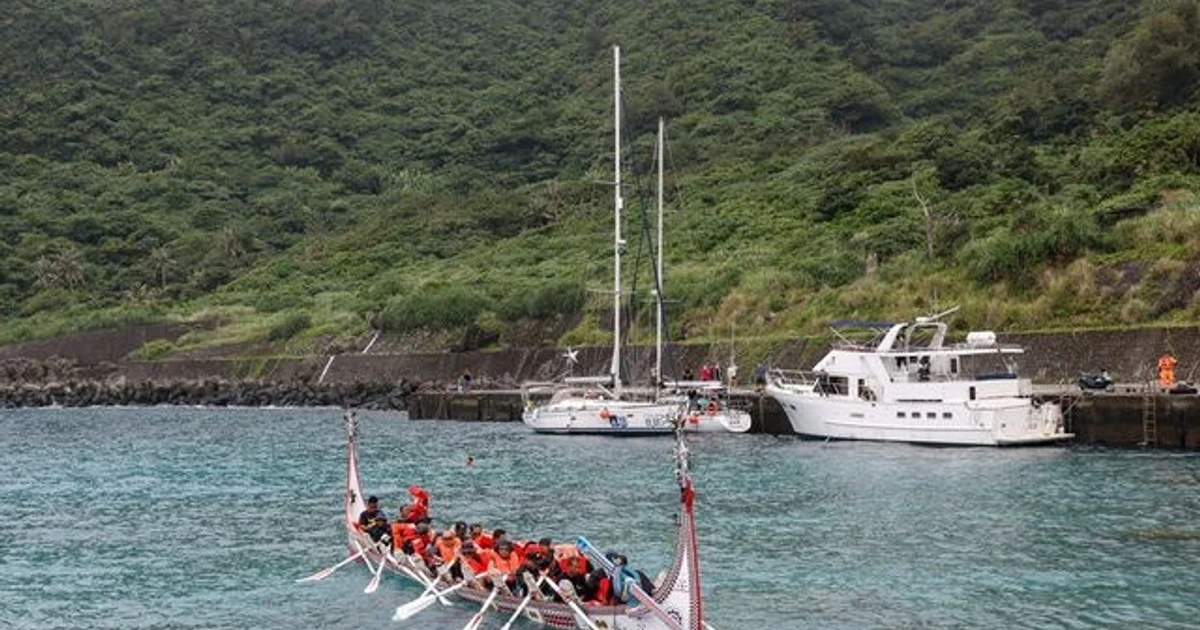
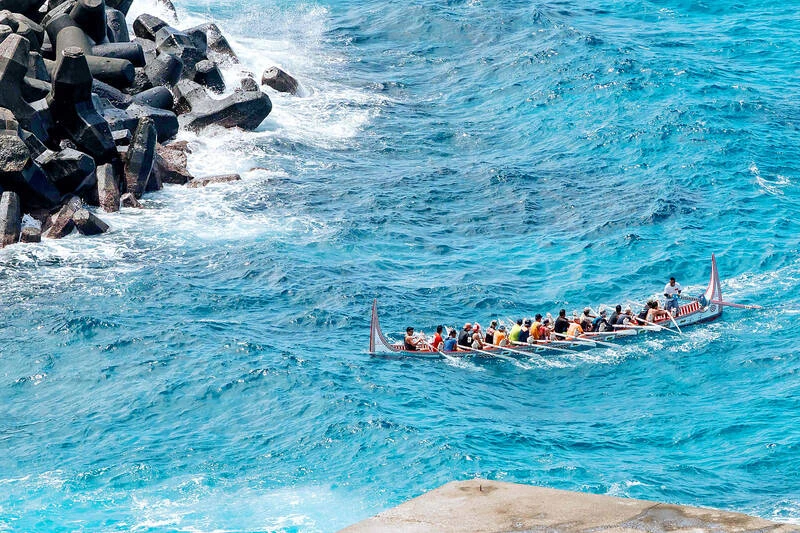
A hand-built Tao canoe named Ovayan, or Golden Friendship, pushed off from Orchid Island on June 15 with 60 rowers rotating through the oars to reopen an ancestral passage to Batanes. Built without nails from 27 kinds of wood by craftsmen from six communities, the 20-seat plank boat was the largest of its kind ever made by the Tao. The crossing was meant to do more than retrace water: it sought to restore a sea route that had lain dormant for about 300 years, and to insist that culture can outlast the borders that interrupted it.
For the Tao, the voyage reached into a living inheritance. The community numbers about 5,000 on Orchid Island, also known as Lanyu and Pongso no Tao, and its ties to the Ivatan of the Batanes Islands remain woven through language, trade and oral history. Recent reporting has described the two languages as more than 80 percent mutually intelligible. One legend says Si Mangangavang, an Orchid Island giant, sailed south to Batanes and traded with Ivatan people, with cowhide prized because Tao makers used it for armor.
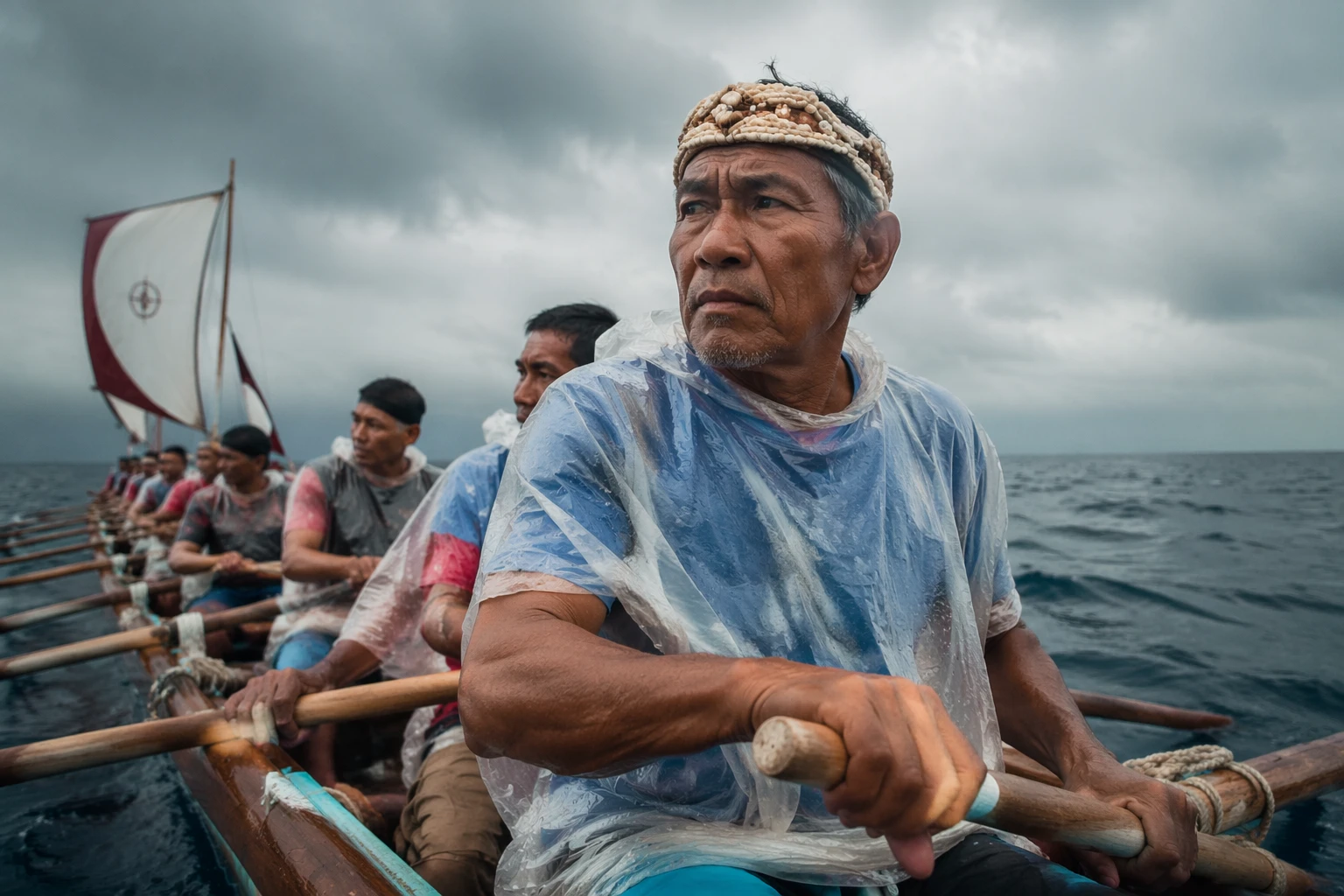
The canoe was launched at Longmen Harbor on June 9 before setting out on the route to the Philippines. Project materials described the journey as a cultural reenactment along the Kuroshio current, from Orchid Island to Itbayat and then Batan, covering about 200 kilometers. Other coverage said the 12-meter vessel carried 20 people at a time, with around 60 participants taking turns in shifts while support vessels escorted the canoe for safety. The voyage was expected to take about 24 hours, though some project materials framed it as a longer ceremonial sail that could continue into a second day.
The route also cut through one of Asia’s most watched waterways. The Bashi Channel links the South China Sea and the Pacific Ocean, and Chinese warships regularly patrol the area. Batanes sits closest to Taiwan in the northern Philippines, and the Philippine Navy has opened a forward operating base in Mahatao to help secure the Luzon Strait. In that setting, the rowers’ journey became a quiet argument for Indigenous presence in seas where military power is never far away.
Maraos, chair of the Indigenous Peoples Cultural Foundation and himself Tao from Orchid Island, said the voyage was meant to re-establish lost sea-route ties and help keep cultures and languages alive. Taiwan Indigenous Peoples Council head Tseng Chih-yung urged continued exchange through language revival, craft sharing and youth visits. In the end, Ovayan was more than a boat: it was a moving archive of sovereignty, memory and connection across a channel where old routes have never fully disappeared.
Sources
- [1]usnews.com
- [2]reuters.com
- [3]taiwannews.com.tw
- [4]japan.focustaiwan.tw
- [5]rti.org.tw
- [6]ipcf-ovayan.com
- [7]taipeitimes.com
- [8]globalnation.inquirer.net
- [9]focustaiwan.tw