World
Taiwan warns China could weaponise atemoya trade, urges diversification
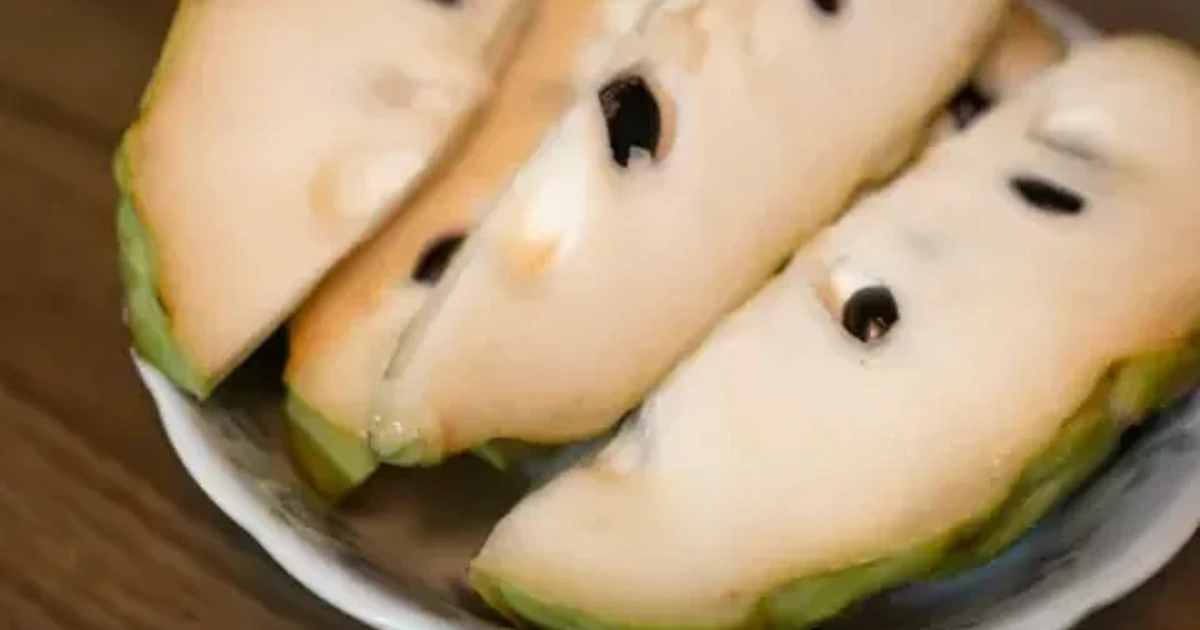
Beijing's promise to buy more Taiwanese atemoya has sharpened Taipei's warning that agricultural trade can be turned on and off for political leverage. Taiwan's Ministry of Agriculture says the fruit is a clear example of a "raise, trap, kill" strategy, one that lures growers into dependence before access is cut.
The dispute reaches far beyond one crop. China suspended imports of Taiwanese atemoyas on Sept. 20, 2021, citing pest-related concerns and alleged quarantine noncompliance, then partially resumed shipments in June 2023 from only a limited number of farms and exporters. A 20% tariff followed, keeping pressure on a sector already heavily exposed to the mainland market.
That exposure is stark in the numbers. In 2020, China bought more than 95% of Taiwan's atemoya exports, or about 13,500 tonnes worth roughly NT$1.5 billion, about US$47.49 million. Taitung County accounts for about 90% of Taiwan's atemoya cultivation, leaving farmers there especially vulnerable whenever cross-strait trade turns political.
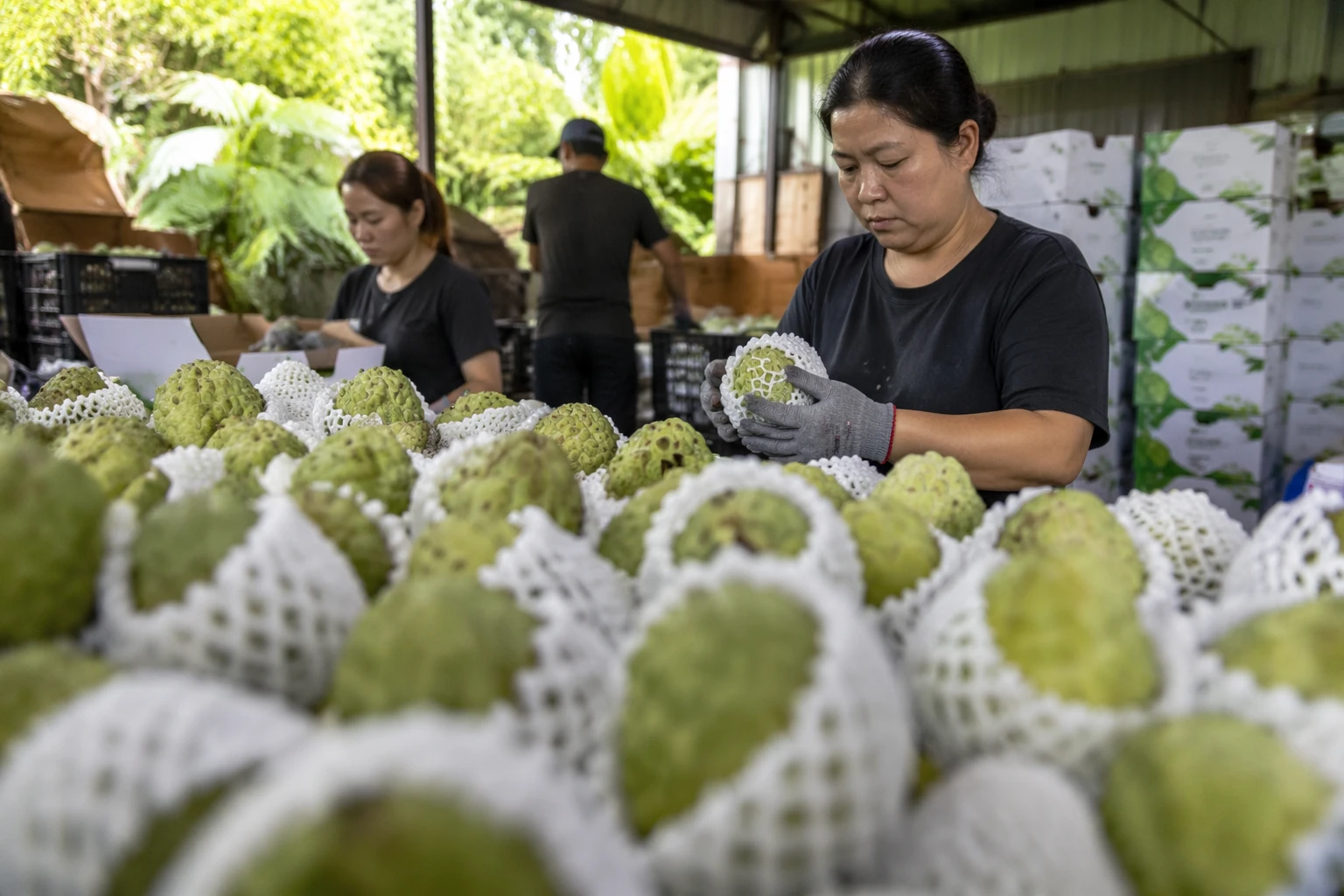
Taipei has repeatedly sought scientific and technical consultations with Beijing under the Cross-Strait Agricultural Product Quarantine and Inspection Cooperation Agreement in an effort to restore normal trade. Instead of relying on a single buyer, the Ministry of Agriculture said it will keep pushing the industry toward diversified processing, including frozen fruit products, puree and wines, while emphasizing sustainable agricultural development and stable farmer income.
The controversy has also pulled in the Mainland Affairs Council. Deputy Minister and spokesperson Liang Wen-chieh warned that officials who attended the forum where China made the fresh buying pledge could be investigated, a sign that Taipei sees more than a commercial dispute at stake. The Taitung County Government has been trying to widen sales into Southeast Asia, even as some local voices argue growers still need a better grasp of the Chinese market because about 95% of atemoya exports still go to China, Hong Kong and Macau.
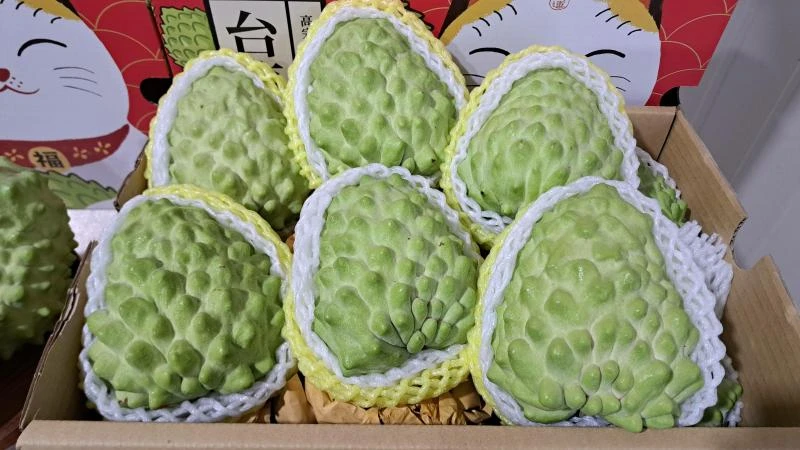
For Taiwan, the atemoya fight fits a larger pattern that has already hit pineapples, wax apples and now fruit growers in Taitung. The lesson for policymakers is blunt: when one market buys almost everything, it can also decide when to stop.
Sources
- [1]bbc.com
- [2]focustaiwan.tw
- [3]taiwannews.com.tw
- [4]taipeitimes.com
- [5]net.fftc.org.tw