World
Taiwan’s AI boom shadows Chinese military pressure near Pratas Islands
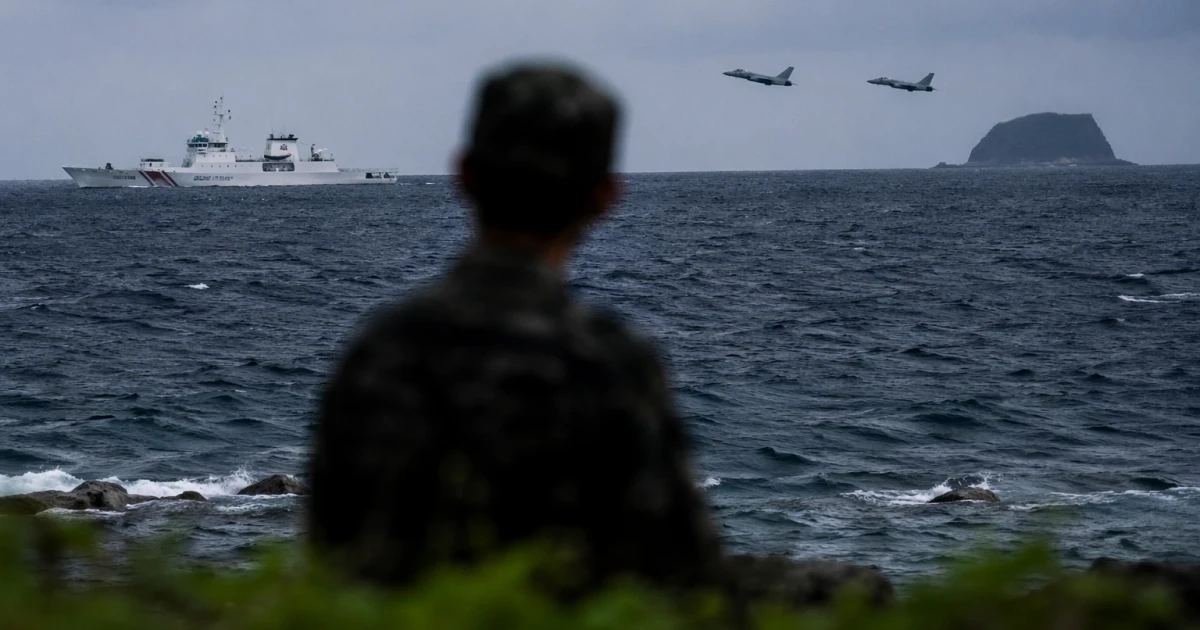
Taipei’s COMPUTEX turned into a crowded vote of confidence in Taiwan’s AI economy just as Chinese coast guard vessels and warplanes kept pressure on the island offshore. The contrast captured the island’s central role in the global chip trade, and its exposure: the same supply chains powering the AI boom also run through a security flash point in the Taiwan Strait.
The June 2-5 event drew a record 111,312 attendees from 152 countries and regions, with about 1,500 exhibitors from 33 countries and more than 6,000 booths. Jensen Huang of Nvidia, Lip-Bu Tan of Intel and executives from SK Group all used the show to champion Taiwan as a crucial hub for the AI supply chain, where TSMC makes the world’s most advanced chips and Foxconn builds servers for Nvidia and other customers. Intel said at the event that it was unveiling new AI and rack-scale infrastructure solutions, underscoring how much of the industry’s expansion still depends on hardware assembled, tested and scaled in Taiwan.
That optimism came with a hard geopolitical backdrop. Taiwan’s defense ministry said 79 Chinese warplanes operated near the island during the COMPUTEX period, while Taiwan said on June 5 that its coast guard was in another tense standoff near the Pratas Islands with Chinese vessels, the second such incident in a fortnight. On June 6, Taiwan said a Chinese coast guard ship and a survey ship conducted what it called the first coordinated operation to “provoke” Taiwan around the islands. The Pratas, also known as Dongsha, sit at the top of the South China Sea and have become a pressure point in Beijing’s campaign of military and quasi-military operations around Taiwan.
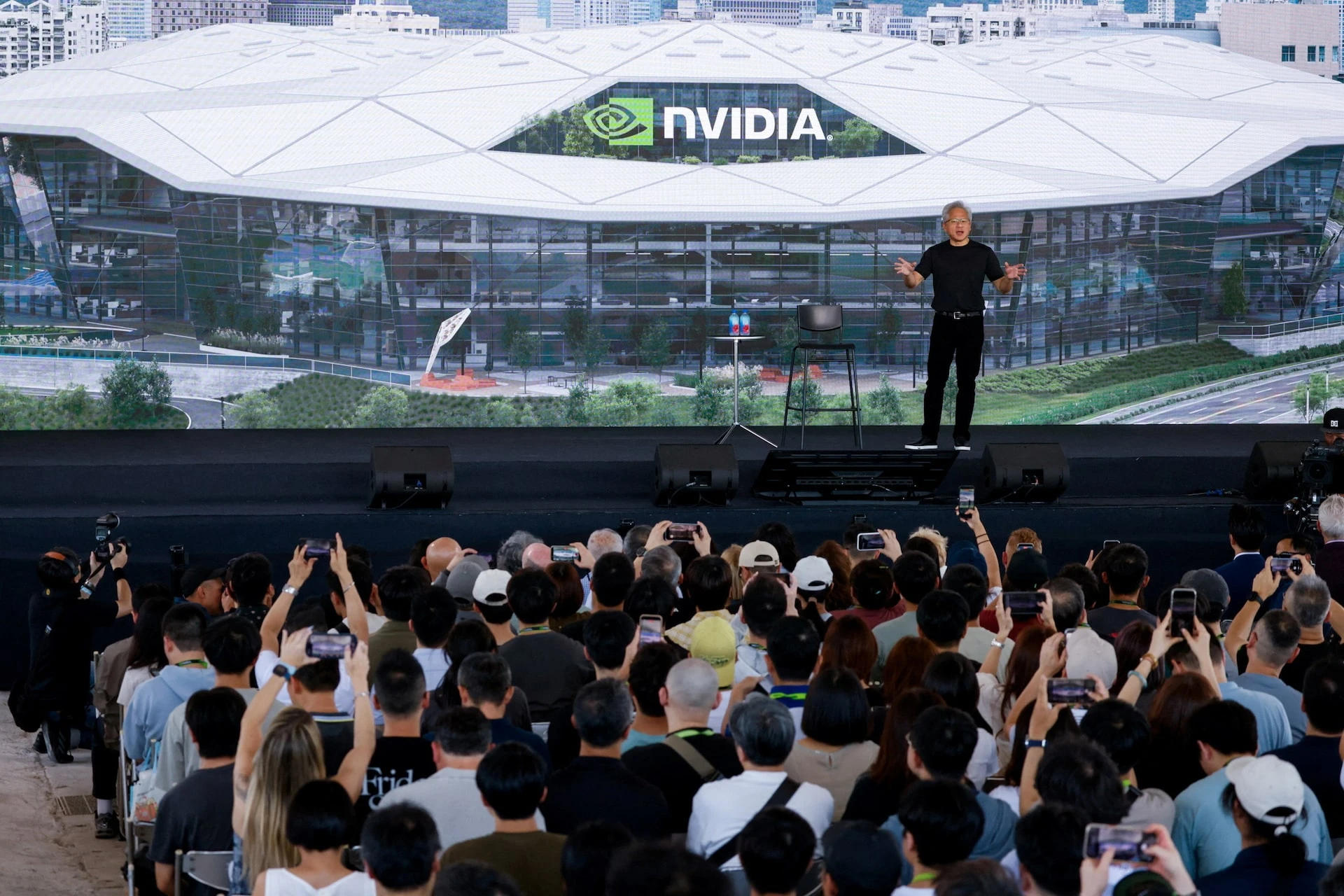
The economic risk is not abstract. Billions of dollars are being invested in Taiwan to build the chips and servers required for AI, but the concentration of expertise in one place also makes the system fragile. Any disruption in the Taiwan Strait could ripple through cloud computing, consumer electronics and industrial manufacturing far beyond the island itself. Taiwan’s coast guard warned that peace in the strait is vital to the stability of the global economy and the technology industry, a reminder that chip production and regional security are now tightly linked.

David Feith, a former U.S. deputy assistant secretary of state, warned of an “enormous security threat” from Beijing, arguing that markets and governments may be underestimating the risk of a crisis. Even as mainland Chinese delegates were effectively shut out of COMPUTEX because entry-permit applications were stalled or left pending, the message from Taipei was clear: the AI hardware race is accelerating, but so is the pressure around the island that helps make it possible.
Sources
- [1]usnews.com
- [2]msn.com
- [3]eetasia.com
- [4]nownews.com
- [5]newsroom.intel.com
- [6]taipeitimes.com