World
Taiwan's Computex spotlights AI chip power amid China military pressure
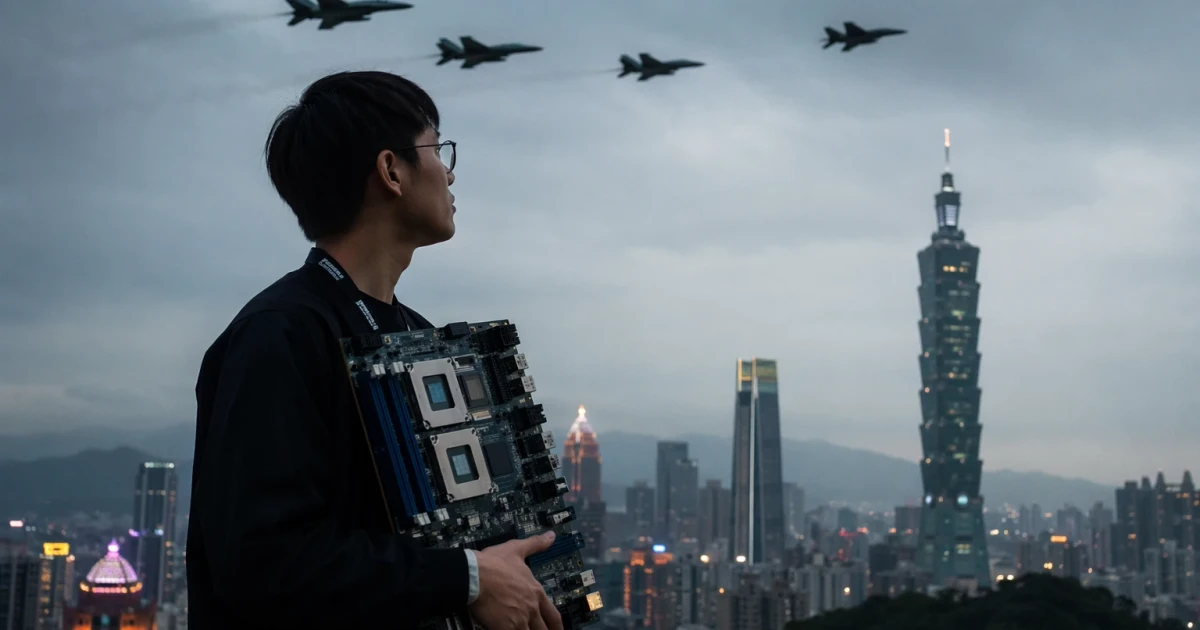
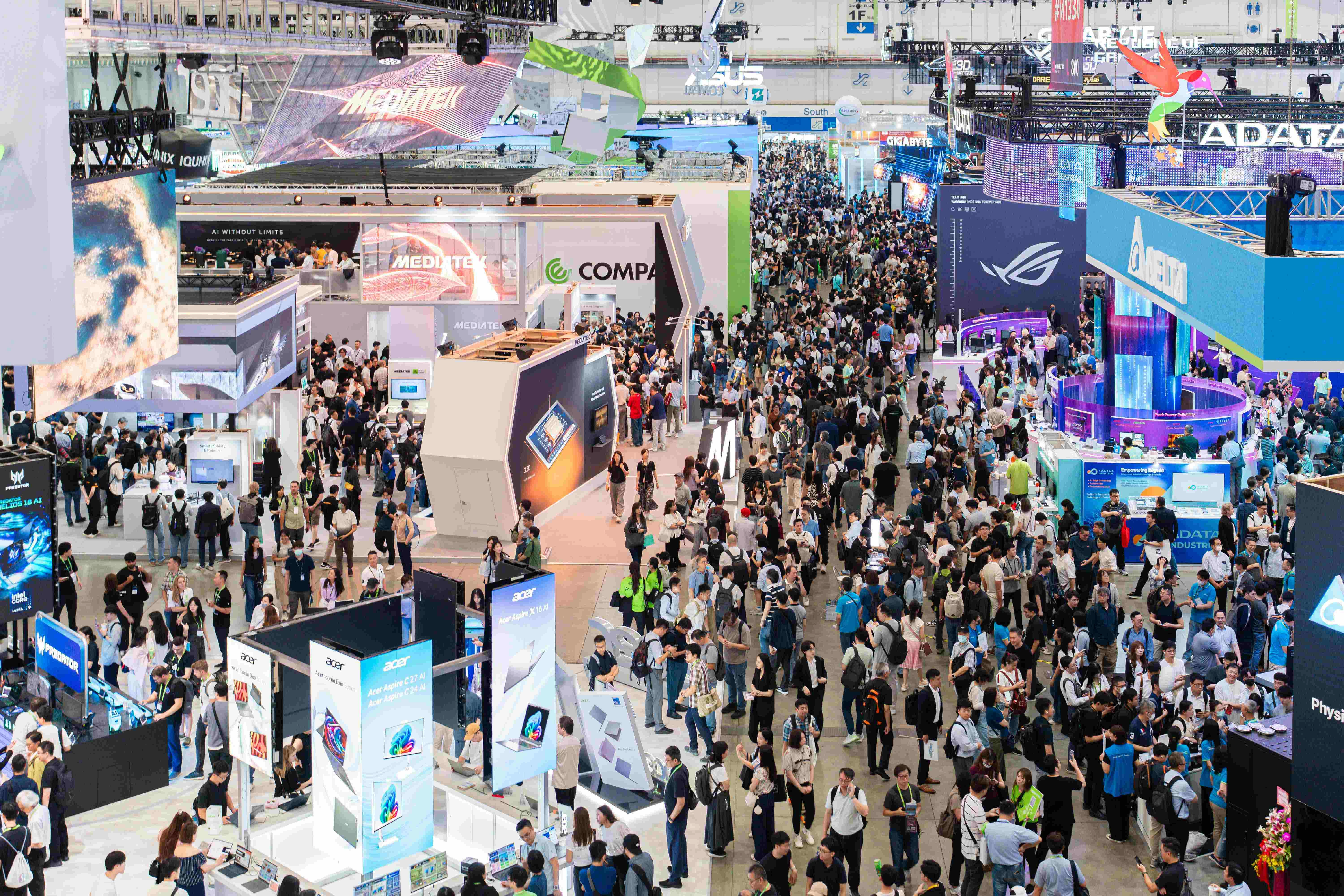
The global AI race kept pulling deeper into Taiwan even as Chinese military pressure around the island intensified, turning Computex into a showcase of both industrial power and strategic vulnerability. Computex 2026 ran June 2-5 in Taipei as its largest edition yet, with about 1,500 exhibitors from 33 countries and regions and more than 6,000 booths under the theme “AI Together.”
At Taipei Nangang Exhibition Center Halls 1 and 2 and TWTC Hall 1, executives from Nvidia, Intel and SK Group emphasized Taiwan’s role in the supply chain that feeds AI hardware around the world. The island is home to Taiwan Semiconductor Manufacturing Co., or TSMC, the world’s biggest contract chipmaker and a crucial supplier to Apple and Nvidia, and to Foxconn, Nvidia’s largest server maker. TSMC said its 2-nanometer, or N2, technology began volume production in the fourth quarter of 2025, reinforcing why Taiwan sits at the center of the next wave of AI and high-performance computing.
That industrial dependence unfolded beside a sharper security backdrop. Taiwan’s defense ministry said 79 Chinese warplanes operated near the island during the June 2-5 show. The Taiwan Coast Guard Administration also confronted Chinese coast guard activity near the Pratas Islands on June 5, and on June 6 accused China of a first observed coordinated operation involving a coast guard ship and a survey vessel near the outpost, more than 400 kilometers from Taiwan’s main island. The coast guard’s warning was blunt: “Peace in the Taiwan Strait is vital.”
The warning landed because the stakes extend well beyond Taipei. The Pratas Islands have become a pressure point in Beijing’s long campaign of military and quasi-military coercion around Taiwan, and any wider crisis would threaten the shipping lanes, factories and talent pipeline that support the AI buildout. David Feith of the Hudson Institute said at a Taipei forum on June 6 that Taiwan’s role in the AI supply chain is “irreplaceable for the foreseeable future,” while warning that underinvestment in asymmetric defense would be concerning.

For chip buyers, server makers and U.S. tech consumers, the message from Taipei was hard to miss. The same island that anchors the AI boom is also one of its most exposed fault lines, and a serious crisis in the Taiwan Strait would not stay regional. It would ripple through chip production, server assembly and the pace at which AI infrastructure can be built everywhere else.
Sources
- [1]usnews.com
- [2]computextaipei.com.tw
- [3]technode.global
- [4]tsmc.com
- [5]taipeitimes.com
- [6]newswatchplus.ph
- [7]straitstimes.com