World
Takaichi to visit India for summit with Modi on strategic ties
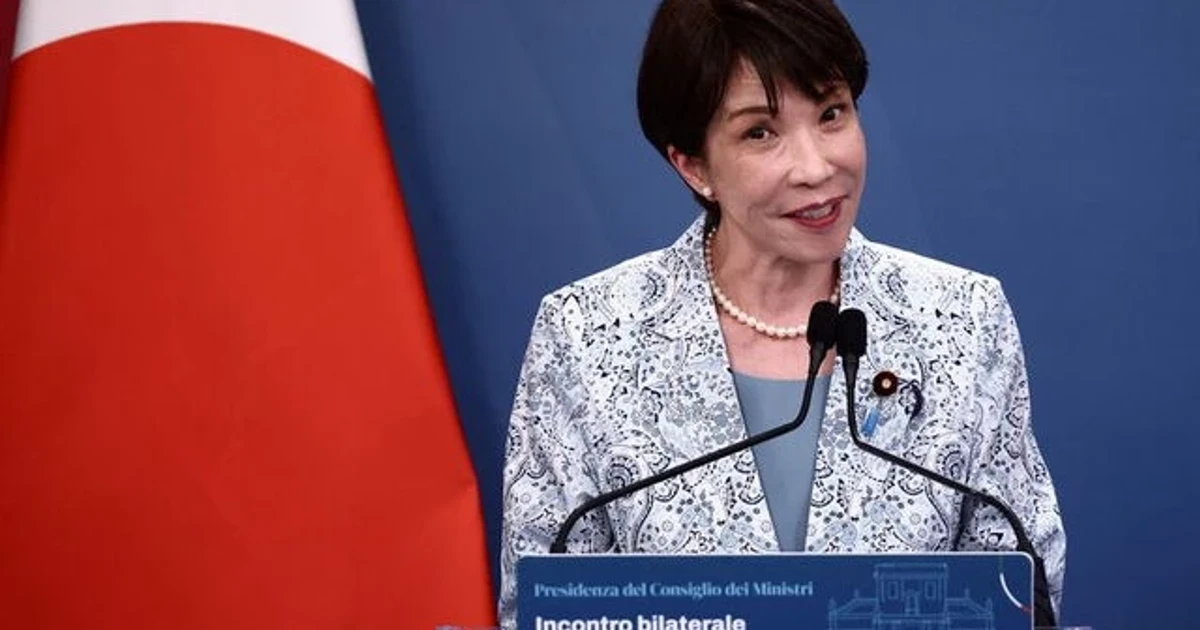
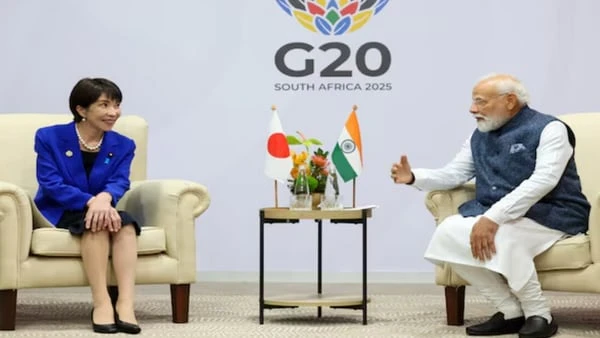
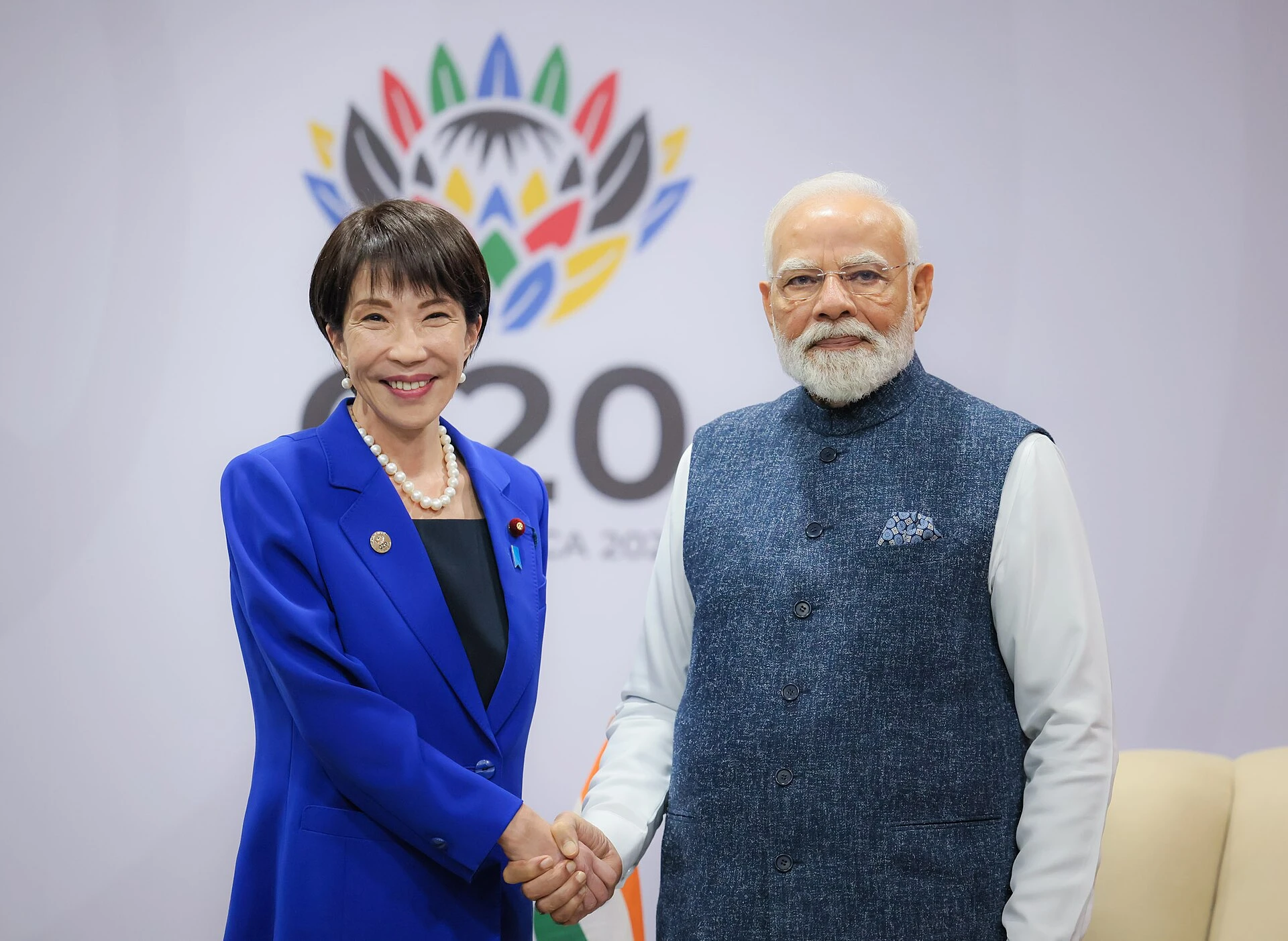
Sanae Takaichi will travel to India from July 1 to 3 for her first official visit, a summit with Narendra Modi that shows how central the India-Japan relationship has become to both governments’ Indo-Pacific strategy. India and Japan have held annual summit meetings since 2006, and the partnership was elevated to a Special Strategic and Global Partnership in 2014.
The trip follows the 15th India-Japan Annual Summit in Tokyo on August 29 and 30, 2025, when Modi and then-Japanese prime minister Shigeru Ishiba adopted a Joint Vision for the Next Decade. That framework placed security, defense, economic cooperation, mobility, environment, technology and innovation, health, and people-to-people links at the center of the relationship, setting a broad agenda that now lands on Takaichi’s desk as she prepares to meet Modi in New Delhi.
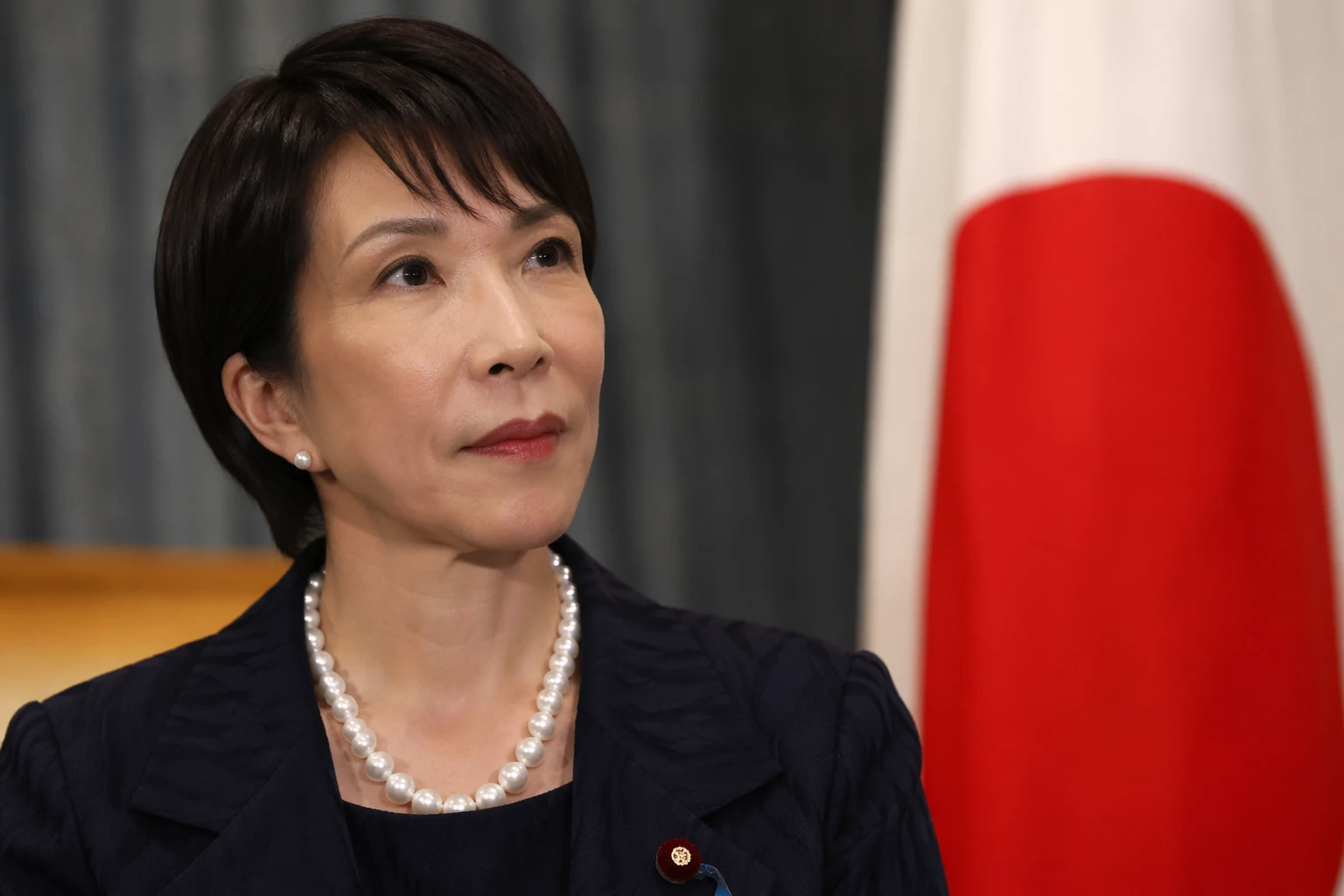
Trade remains a large part of the story. India’s embassy in Tokyo said bilateral trade reached US$25.17 billion in FY2024-25, with India exporting US$6.25 billion and importing US$18.92 billion. Japan’s embassy in New Delhi put Japan’s bilateral trade with India at US$27.47 billion in FY2025-26, a reminder that the headline numbers vary by reporting basis but still point to a deep economic relationship. For both sides, the next phase is less about symbolism than about reducing bottlenecks in semiconductors, critical minerals, digital links and industrial supply chains.
That logic also shapes the security track. India and Japan have expanded cooperation through the Quad and through Exercise Malabar, which ran in Guam from November 10 to 18, 2025. Australia said that year marked the fifth time all four Quad countries participated together in Malabar, underscoring how steadily the grouping has moved from dialogue to operational coordination. In May 2026, the Quad partners launched a Critical Minerals Initiative Framework aimed at securing supply chains for advanced technologies and industrial resilience.
Japan and India’s 2025 economic-security fact sheet already pointed to resilient semiconductor supply chains, talent development and research-and-development cooperation as priorities. Takaichi’s visit will test whether those priorities can be translated into clearer deliverables, such as new project timelines, deeper defense coordination and more specific steps on supply-chain resilience, rather than another round of broad strategic language.