World
Taliban bans smartphones for Afghan civil servants nationwide
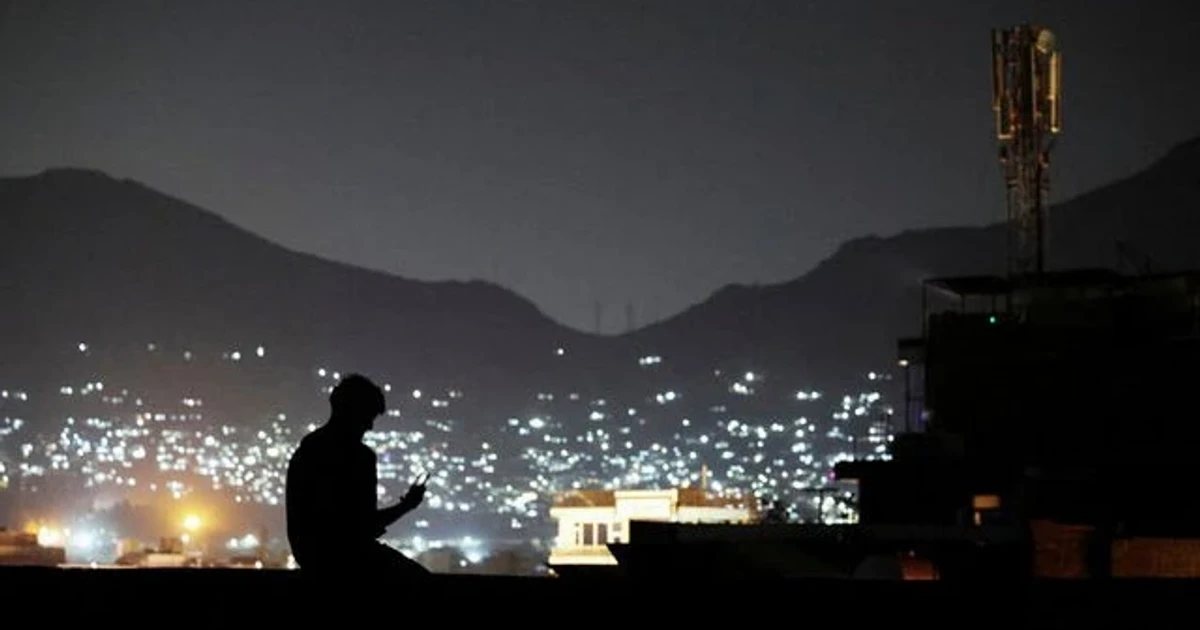
The Taliban ordered Afghan civil servants nationwide to stop using smartphones, with a court order seen by Reuters barring officials in military and civilian institutions, including judges, from June 16. The order said violators’ phones would be smashed and that they could face punishment under the law.
The move has already begun to interrupt routine government work. Officials told Reuters that much of Afghanistan’s day-to-day administration had been handled on mobile phones, especially through WhatsApp and email, and that the restriction had slowed internal coordination. The governor of Panjshir said the ban would be enforced immediately in provincial offices, underscoring how quickly the directive was moving through the system.
Reports from different parts of the country showed the order was not staying on paper. AFP said government workers in several provinces were already switching off their smartphones after the directive from Taliban leader Hibatullah Akhundzada. Local reporting also said the policy had spread to Herat, Khost and Paktia, while some offices began gathering and destroying phones. One reported enforcement form recorded a worker’s name, position, workplace, mobile network and phone number, suggesting a more systematic monitoring effort.
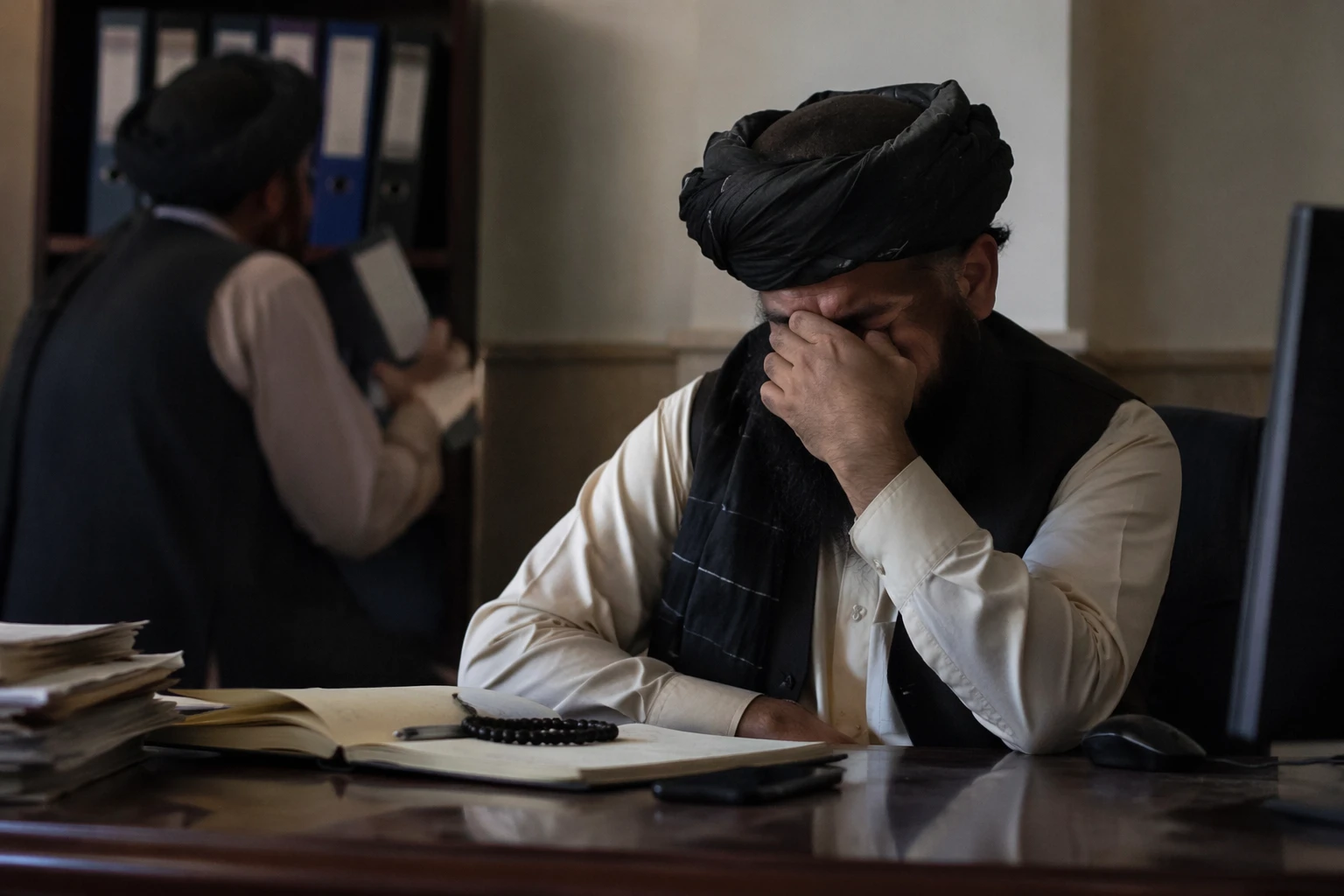
The Taliban did not respond to questions about the order, leaving unanswered how uniformly it would be enforced across Afghanistan’s fragmented provincial bureaucracy. Even so, the ban fits a pattern of tighter control over public life since the Taliban returned to power in August 2021, including sweeping restrictions on women and girls, pressure on media and civil society, and the detention and intimidation of activists and journalists.
The Afghanistan Journalists Center said the smartphone ban continued efforts to tighten control over freedom of expression and access to information, and that it further restricted journalists’ ability to gather news in an already constrained media environment. Rights advocates said smartphones remain one of the few tools many Afghans use to reach uncensored information, document abuses, communicate privately and pursue education, making the policy far more consequential than a workplace rule.

The ban also follows a broader clampdown on communications. Human Rights Watch said the Taliban shut down internet service nationwide in September 2025 after earlier provincial outages, and Amnesty International said that blackout disrupted aid delivery, health care access and other essential services. Against that backdrop, the smartphone order looks less like an efficiency measure than a test of how far the Taliban will go to control information, even at the cost of making its own government less functional.
Sources
- [1]usnews.com
- [2]kabulnow.com
- [3]afjc.media
- [4]france24.com
- [5]hrw.org
- [6]amnesty.org