World
Taliban dress crackdown in Herat hurts businesses, frightens women
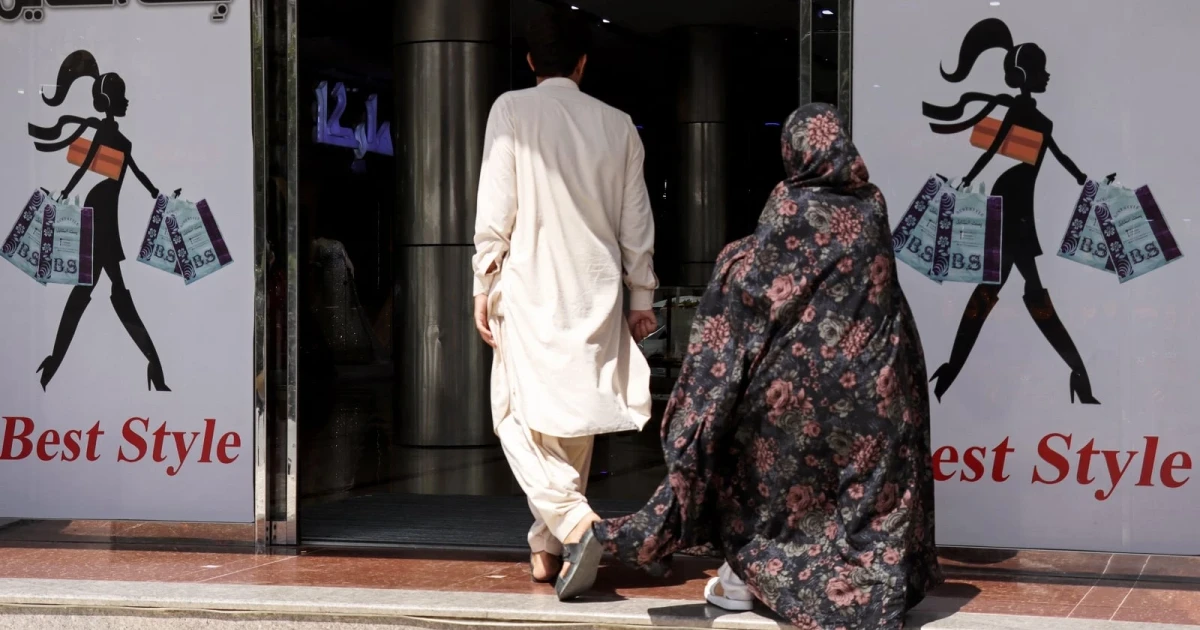
Morality police detained at least 30 women in Herat city between June 6 and June 7, and shopkeepers say the crackdown has pushed female customers out of the markets and into their homes. The arrests, carried out by de facto Propagation of Virtue and Prevention of Vice officials with the de facto police, triggered verbal warnings for dozens more women and a wave of fear that has spread across western Afghanistan’s largest commercial city.
The pressure on women’s dress has become a commercial shock. Ramin Ghafoori, who runs a tailoring shop in Herat, said women stopped coming to the markets after the arrests, while Nazeer Ahmad Azimi, who owns a shoe store, said women made up about 90 percent of his sales and estimated that turnover in the city’s markets had fallen by half. Other women told AFP they had stopped going out for shopping trips and restaurant visits because they feared being policed.
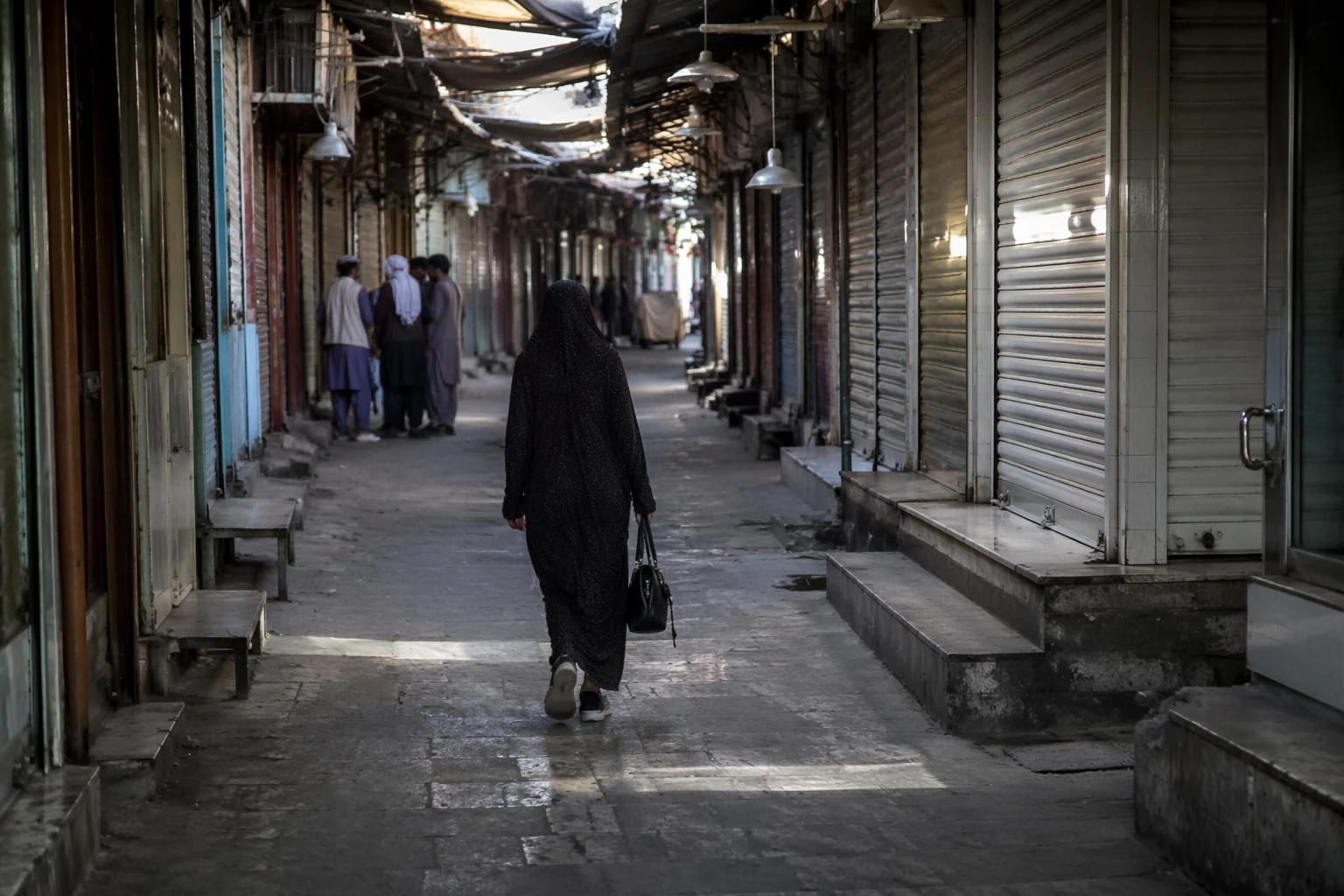
The Taliban’s rules have been unusually specific. UN human rights experts said the decrees required women to wear a burka or chador with a face mask and banned perfume. UN Women said it was gravely concerned by the arrests, and said reports of force used against civilians who gathered in Herat to protest the detentions deepened fear among women and girls across the country.
The protests themselves turned deadly. On June 9, people gathered in Herat to challenge the detentions, and UNAMA said de facto security forces used excessive force against residents in the Jibreil area, confirming that at least one boy was killed by gunfire while several others were beaten with sticks. OHCHR later said at least two people, including a boy, were killed and more than 20 were injured.
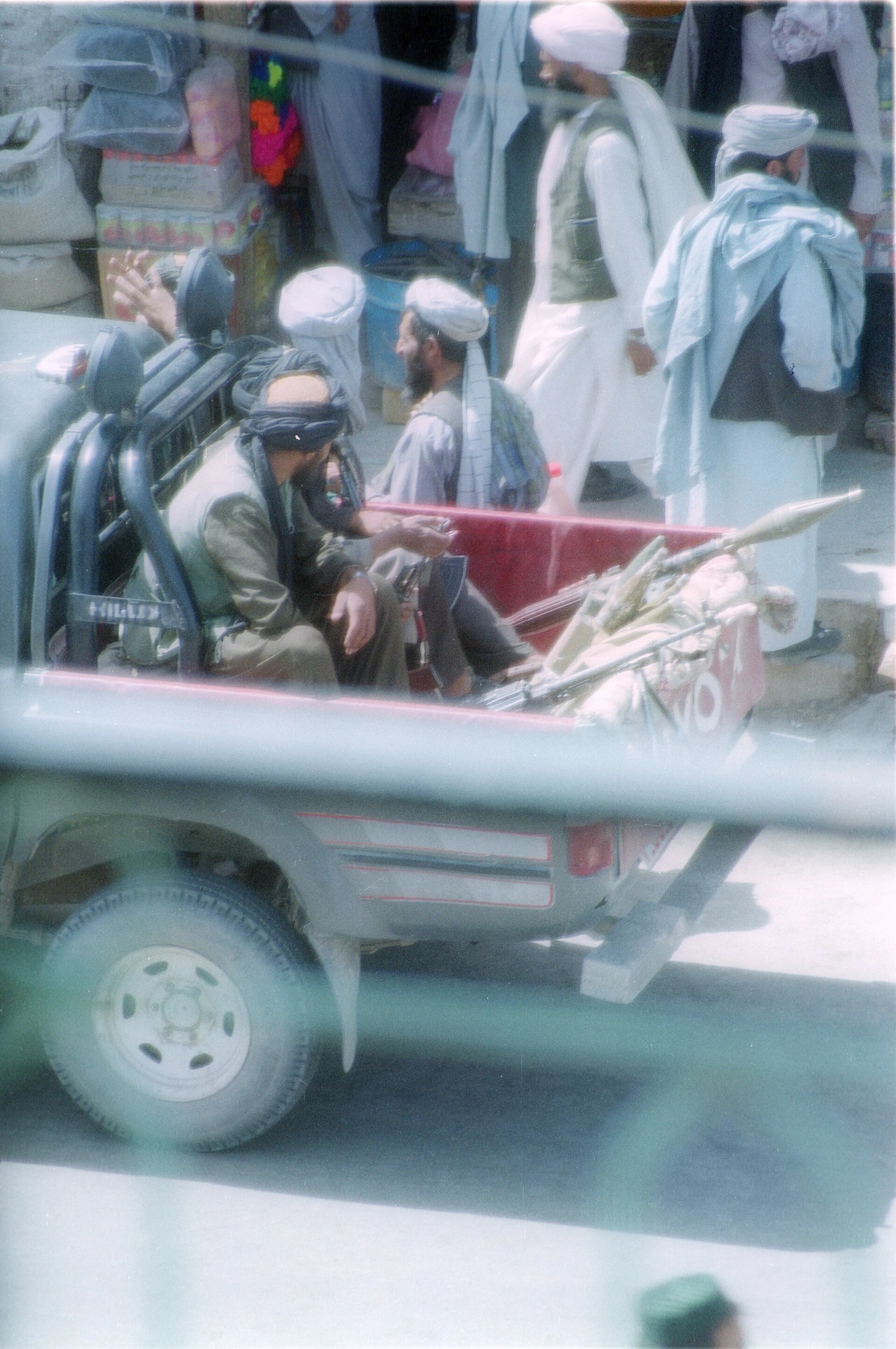
Herat’s weight in Afghanistan explains why the crackdown has resonance beyond one city. Britannica describes Herat as the economic center of western Afghanistan and a highway crossroads, while UNESCO says it has long had strategic, commercial and cultural significance and still contains many significant Islamic monuments. UN Human Rights said in March 2026 that Afghanistan’s rights situation continued to deteriorate dramatically, with women’s and girls’ systematic exclusion from public life since the Taliban returned to power in August 2021; UN Women says Afghan women are now nearly totally excluded from social, economic and political life.
Sources
- [1]news.google.com
- [2]unama.unmissions.org
- [3]ohchr.org
- [4]news.un.org
- [5]whc.unesco.org
- [6]britannica.com
- [7]rte.ie
- [8]france24.com