World
Tanker Convoy Navigates Hormuz Amid Blockade Tensions
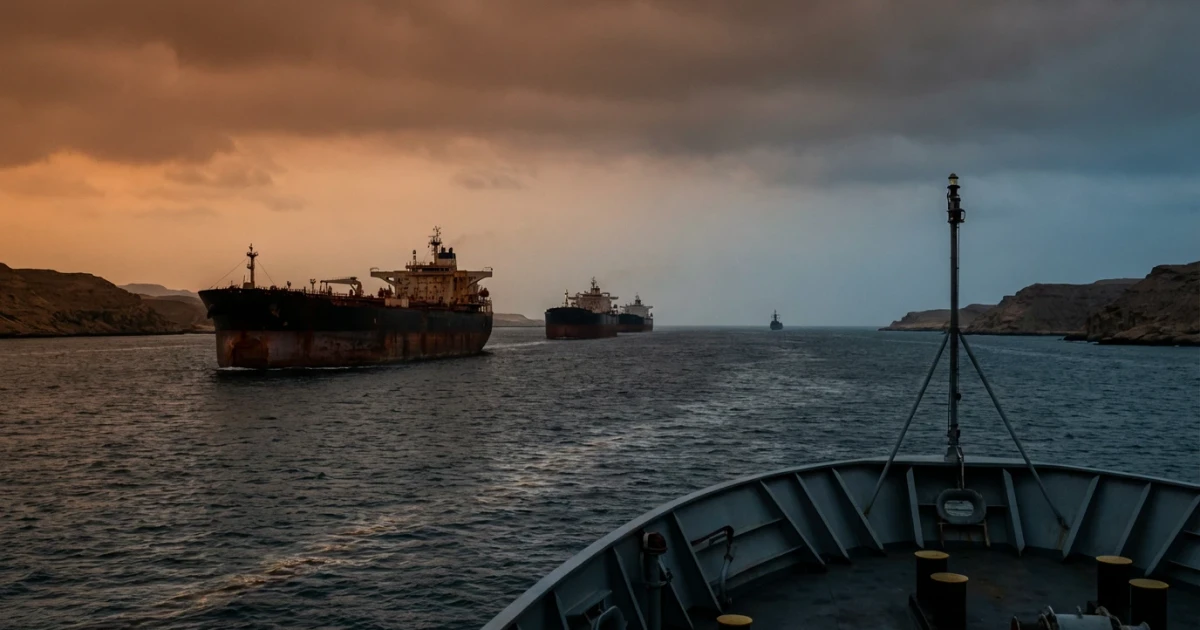
Three oil supertankers began a high-stakes journey through the Strait of Hormuz after the United States announced a blockade in the region, escalating tensions in one of the world’s most critical energy corridors. The move, first reported by Bloomberg, has intensified scrutiny over the security of oil shipments and the stability of global energy markets.
Key Oil Transit Route Faces New Stress Test
The Strait of Hormuz is a vital chokepoint through which roughly one-fifth of global oil consumption passes daily. According to the U.S. Energy Information Administration, this narrow waterway is essential for the export of crude oil and liquefied natural gas from major producers in the Persian Gulf, including Saudi Arabia, Iran, the United Arab Emirates, Kuwait, and Iraq.
- Approximately 21 million barrels of oil per day transited the strait in recent years.
- Major destinations include Asia, Europe, and North America, with the U.S. both exporting and importing energy products through this route.
Impact of U.S. Blockade Announcement
Bloomberg reported that the U.S. flagged a blockade of the Strait in response to escalating regional hostilities. This declaration prompted several oil carriers to divert or delay routes due to security concerns, with only three supertankers proceeding with their scheduled transit. Maritime trackers, such as MarineTraffic, have shown reduced tanker traffic in the area compared to the previous month, highlighting the blockade’s immediate effect on shipping patterns.
The three tankers’ passage marks the first significant test of maritime security protocols following the U.S. announcement. Observers noted increased naval presence and heightened monitoring by international forces, in line with International Maritime Organization security regulations.
Global Energy Markets on Alert
The attempted transit comes at a time of heightened market sensitivity. Oil prices reacted swiftly to the news, with traders weighing the risk of disrupted flows. A prolonged blockage or further escalation could impact not only U.S. export volumes, but also supplies to key economies in Asia and Europe that rely on steady shipments through the strait.
- Industry experts warn that even short-term disruptions could send shipping and insurance costs higher.
- Past incidents in the region have led to temporary price spikes and prompted international diplomatic interventions.
Security and Diplomatic Stakes
As reported by Bloomberg, the U.S. and its allies are closely monitoring the situation. The passage of the three tankers is being seen as a gauge of both the effectiveness of the blockade and the robustness of existing maritime security arrangements. Analysts suggest that the incident could set a precedent for future transits and the response of the international community to threats in the Strait of Hormuz.
Looking Ahead
The ongoing situation underscores the strategic importance of the Strait of Hormuz and the vulnerability of global energy supplies to regional tensions. Shipping operators, energy markets, and policymakers are expected to remain vigilant as the situation develops, with further updates likely to shape both diplomatic responses and market reactions in the coming days.