Sports
Taremi says Iran turmoil undermines World Cup joy ahead of opener
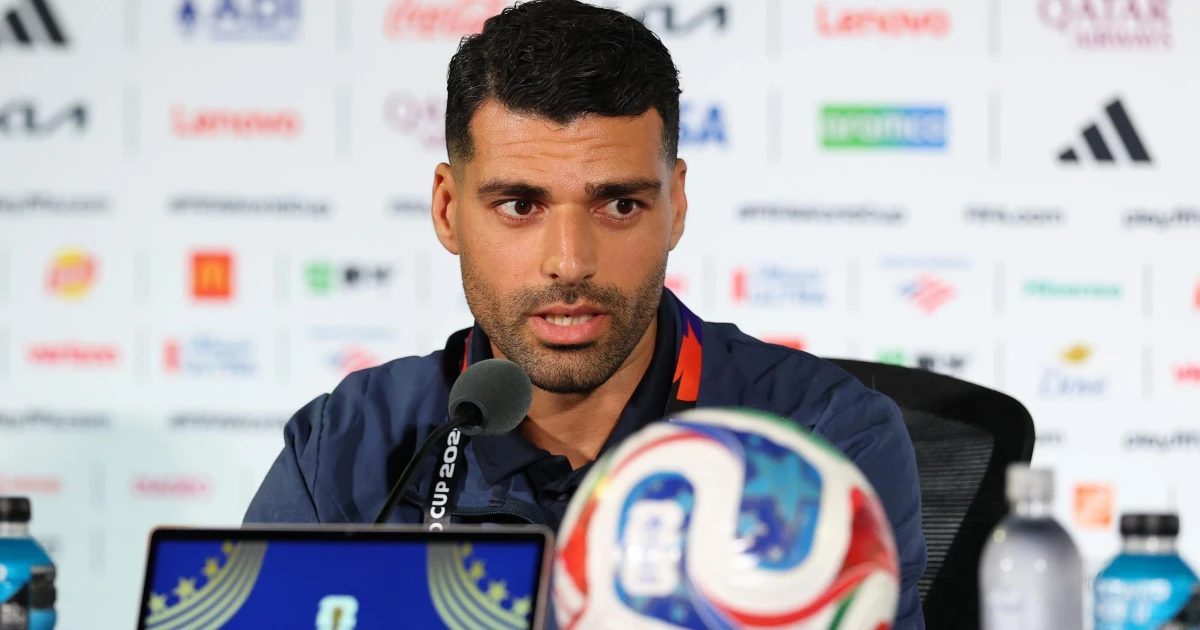
Iran’s World Cup campaign carried the strain of politics well before kickoff, with striker Mehdi Taremi saying the tournament’s usual sense of calm had already been damaged by events off the field. Taremi said he felt “the tension from the first moment” the team arrived, and described the mood around Iran’s opening match against New Zealand as anything but routine.
The disruption began with logistics. Iran’s training camp was moved from Tucson, Arizona, to Tijuana, Mexico after the war with the United States began, and the squad later arrived in Los Angeles from Tijuana, about 140 miles from the stadium where it opened group play. FIFA rejected Iran’s request to play its group-stage matches outside the United States, citing logistics and contracts, leaving the team to navigate visa problems, travel delays and uncertainty around its daily preparations.
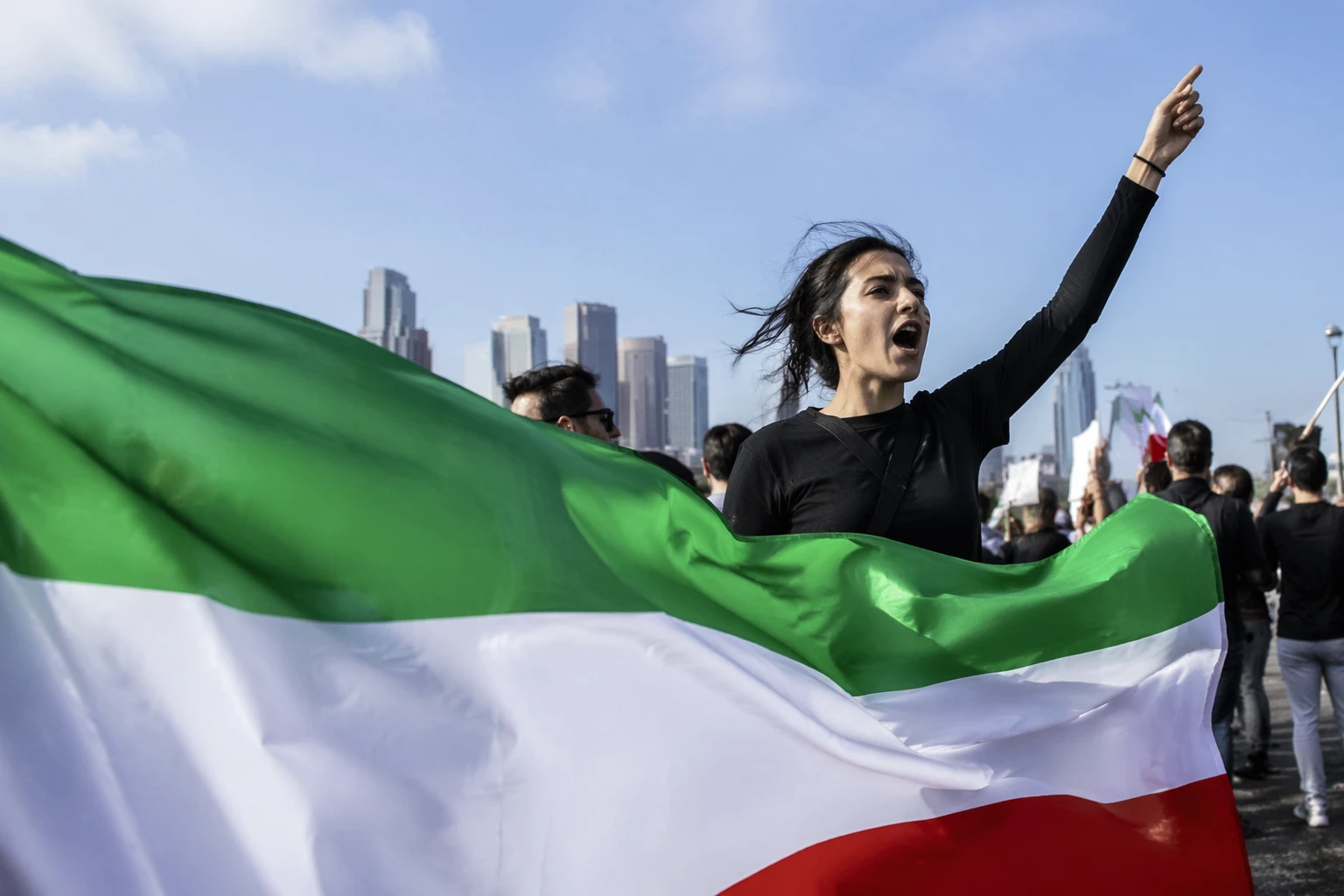
Those problems reached into the delegation itself. A team spokesperson said two members of Iran’s media relations group were denied U.S. visas for the opener, while 11 Iranian officials were also denied visas to cross the border and attend matches. Taremi said the disruption was not unique to Iran, noting that referees and other countries had also faced visa issues and changes to training camps. Protesters were present at Iran’s hotel in Los Angeles when the team arrived.
Taremi tried to draw a line between football and the political storm surrounding his country. He said footballers were there to unite people and that Iran was not getting involved in politics. He also said Iran played for all Iranians, including those in the diaspora, a reminder that the national team’s audience stretches far beyond the pitch.
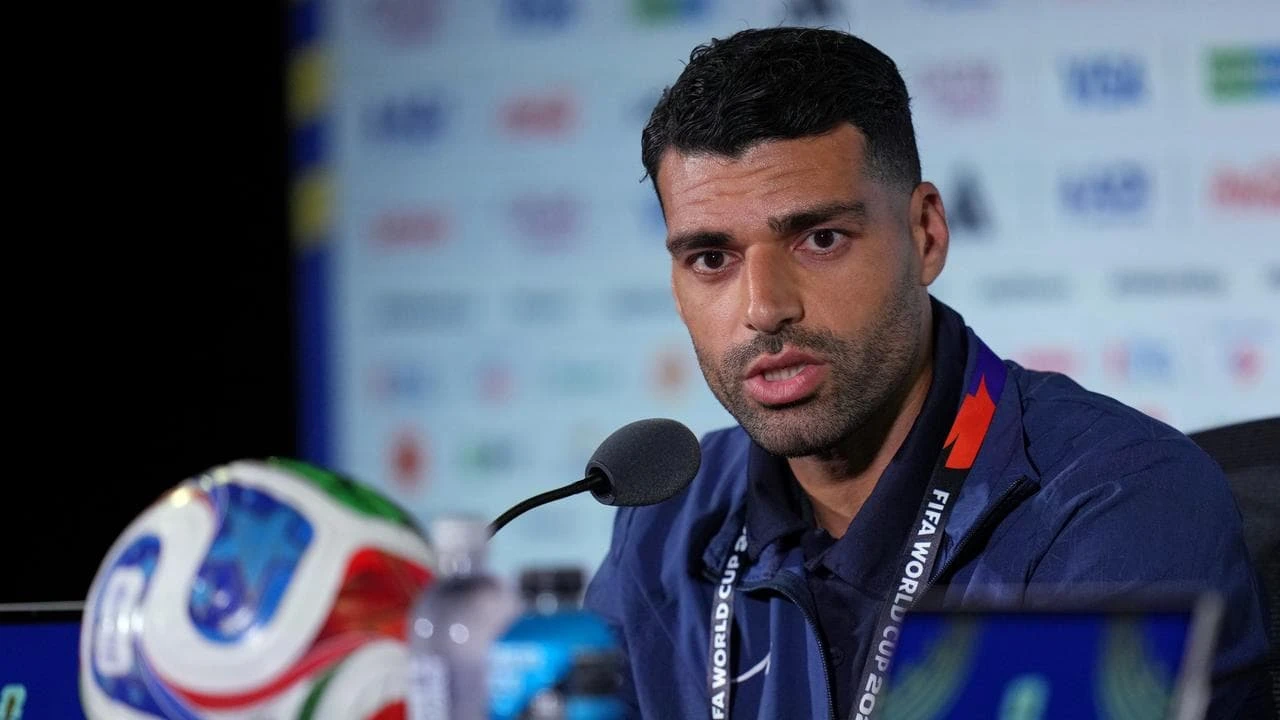
Iran’s World Cup history has repeatedly been shaped by that burden. The 1998 meeting with the United States in Lyon remains one of the tournament’s most politically charged fixtures, remembered as much for symbolism as for the scoreline. More recently, at the 2022 World Cup in Qatar, Iran’s players did not sing the national anthem before their first match against England in an apparent show of solidarity with anti-government protesters after the death of 22-year-old Mahsa Amini in September 2022. They later sang the anthem before their second group match against Wales.
Against that backdrop, Taremi’s complaint that the political situation had “undermined the joy of the World Cup” sounded less like a passing grievance than a description of the role Iran’s players have been forced to inhabit: athletes carrying the emotional weight of a country in crisis every time they step onto the field.
Sources
- [1]bbc.com
- [2]abcnews.com
- [3]rte.ie
- [4]al-monitor.com
- [5]iranprimer.usip.org
- [6]sports.yahoo.com