Business
Target Bets on Grocery Upgrades to Spark Growth
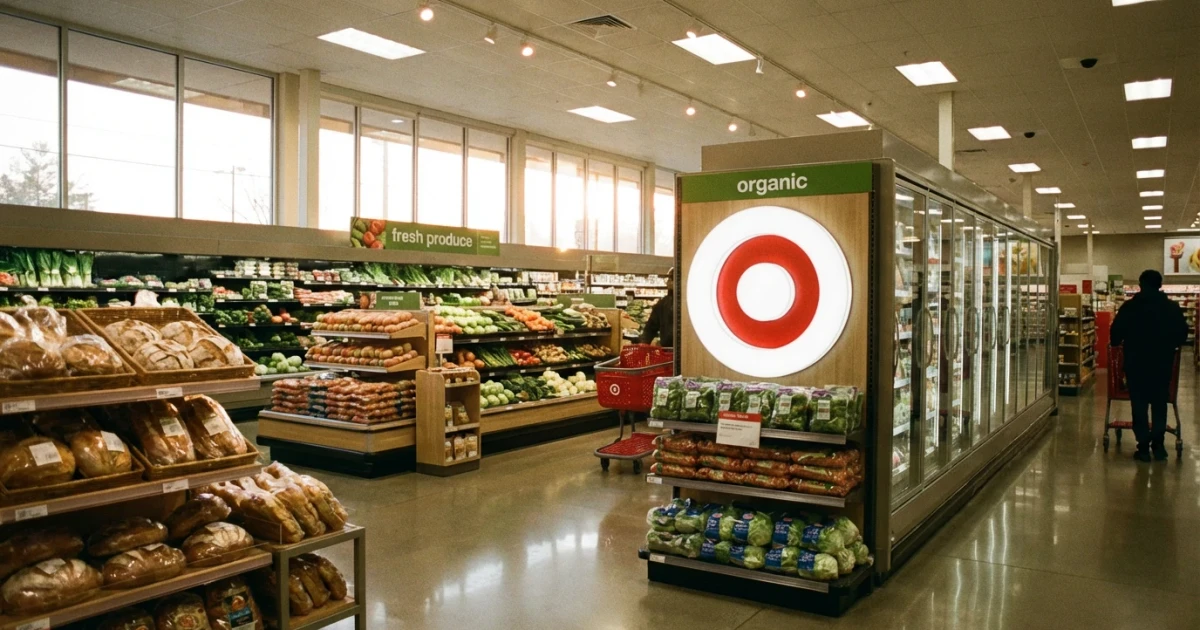
Target is making a decisive move to reinvigorate its business by focusing on groceries—a category the retailer sees as key to restoring sales momentum amid a challenging retail environment. The company’s renewed emphasis on food and beverage comes alongside plans to invest billions in store upgrades and expand its workforce, signaling a strategic shift designed to win back customers and strengthen its position in the competitive U.S. retail sector.
Groceries at the Heart of Target’s Turnaround
After reporting sluggish sales growth over recent quarters, Target is betting that a stronger grocery offering will drive repeat traffic and boost overall store performance. Industry analysts have long noted that grocery purchases are more frequent and less discretionary than other categories, making them a critical lever for retailers seeking consistent foot traffic and customer loyalty.
According to the company’s annual reports, grocery and food & beverage now represent a significant portion of Target’s revenue mix. This shift in focus reflects broader trends in the U.S. retail landscape, where food and everyday essentials have outperformed discretionary categories such as apparel and home goods. Data from the U.S. Census Bureau’s retail trade reports confirm that food and beverage store sales remain resilient, even as consumers pull back spending in other areas.
Major Investments in Stores and Staff
Target’s push into groceries is part of a larger plan to modernize its stores and enhance the in-store experience. The company has announced it will spend billions to refresh locations nationwide, prioritizing updates to grocery departments, refrigeration, and fresh food displays. These upgrades aim to make Target a more appealing destination for shoppers seeking one-stop convenience for their household needs.
Alongside physical improvements, Target is also hiring more workers to improve service and keep shelves stocked—especially in the food and beverage aisles, where product availability and freshness are top priorities for customers. The company’s food access and grocery initiatives page highlights ongoing efforts to increase fresh, healthy options and support local food suppliers.
Competitive Landscape and Consumer Trends
Target’s grocery push comes as competition intensifies from established players like Walmart and Kroger, as well as from discount grocers and online delivery services. According to a NielsenIQ analysis, U.S. consumers are increasingly value-conscious, seeking deals and convenience in their grocery shopping amid persistent inflation.
- Grocery sales accounted for nearly 20% of Target’s total revenue in the latest fiscal year, according to Statista’s retailer statistics.
- Fresh food and private label offerings are seen as critical differentiators for mass merchants competing with traditional supermarkets.
- Target’s digital investments—including same-day pickup and delivery—have expanded access to groceries, but the company is doubling down on in-store improvements to drive traffic and basket size.
Challenges and Outlook
While Target’s grocery investments are ambitious, the path to growth is not without hurdles. The company must balance higher labor and capital costs with the need to keep prices competitive. Sourcing fresh, high-quality food at scale presents operational challenges, and winning over shoppers who habitually buy groceries elsewhere will require sustained improvements.
Still, analysts see the strategy as a practical response to shifting consumer preferences and a tough retail climate. If successful, Target could unlock more frequent visits and greater loyalty, supporting overall sales growth well beyond the grocery aisles.
Conclusion
As Target pours resources into grocery upgrades and store enhancements, the coming quarters will be pivotal in determining whether this approach can restore its sales momentum. With U.S. shoppers seeking value and convenience, the retailer hopes that a fresher, more reliable grocery experience will keep them coming back—and ultimately reignite growth across its entire business.