Business
Target taps Isaac Mizrahi to revive its style credentials
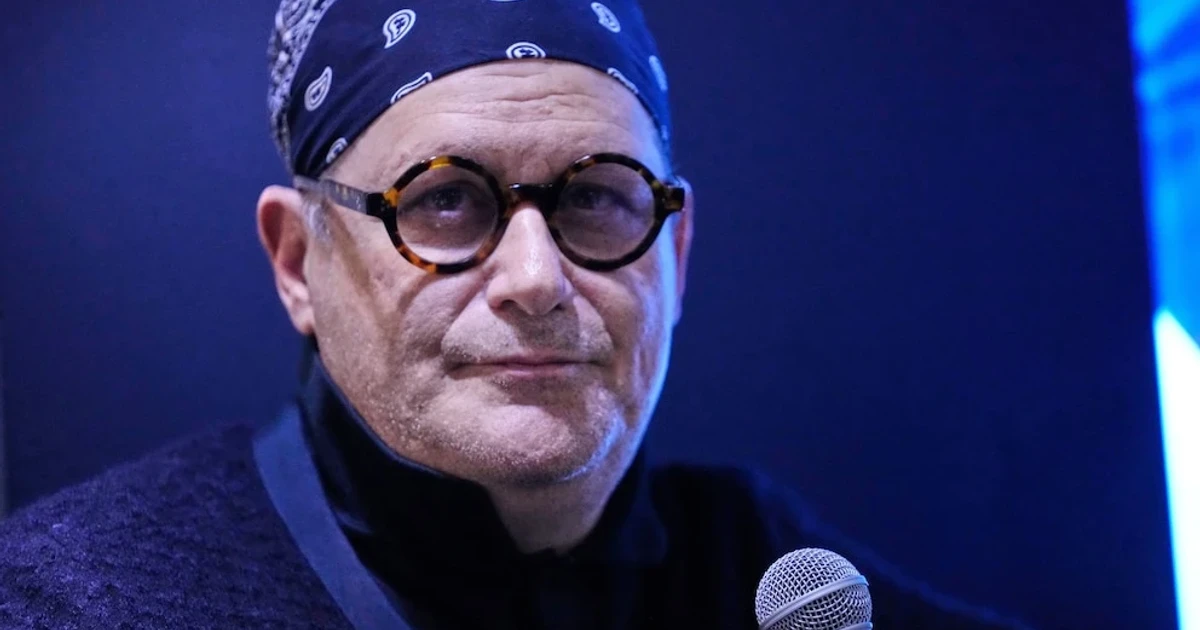
Target has turned to Isaac Mizrahi in a newly created role that goes well beyond a celebrity headline. The retailer said the designer and television personality will serve as its first-ever creative director at large, with a mandate to mentor designers, advise on product design and innovation, and bring in fresh partnerships as Target tries to restore the design authority that once set it apart.
The hire lands as a brand repair effort, not a simple talent splash. Target has spent years fending off criticism that some of its apparel and home lines lost their edge, while fast-fashion rivals and private-label labels have pressed hard on value. Mizrahi, who broke through in the late 1980s with vivid color and playful design, gives Target a recognizable creative voice at a moment when the company is trying to reconnect merchandising decisions with the way shoppers see the brand.
That connection matters because Target has history here. The company’s own timeline says the 2003 Isaac Mizrahi for Target collaboration was one of the most influential in its history, and Target celebrated 20 years of designer partnerships in 2019. The latest appointment suggests management sees those collaborations not as nostalgia, but as a blueprint for rebuilding the mix of products, exclusives and partnerships that once made Target a style destination as much as a discount chain.
The move also fits into a broader turnaround under chief executive Michael Fiddelke, who took over on February 1, 2026. In March, Target said it would lift 2026 capital investment plans by more than $1 billion to about $5 billion total, with spending aimed at stores, remodels, technology and supply-chain investments. The company has said its strategy is centered on style, design, value and experience for digitally savvy, style-focused, value-conscious shoppers, a mix that suggests Target wants better curation, not just lower prices.
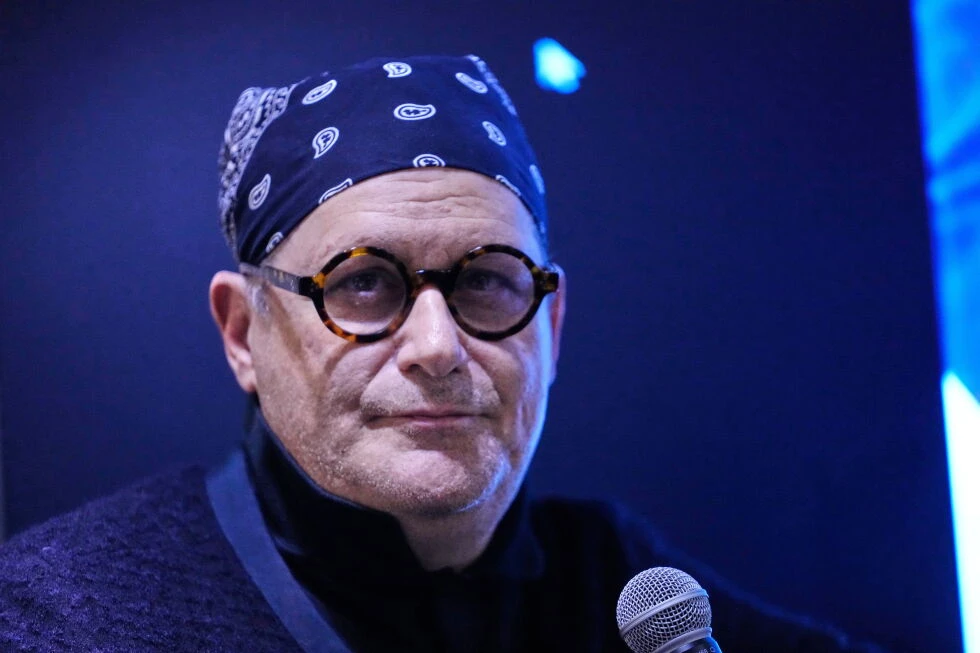
The financial backdrop is improved but still fragile. Target said comparable sales rose 5.6% in the three months ended May 2, its biggest jump in four years, yet the retailer still paired that gain with a cautious outlook. It also has been managing broader pressure after backlash over Pride merchandise and changes to diversity, equity and inclusion policies, along with cuts of about 1,800 corporate jobs in 2025, roughly 8% of its global headquarters team.
Against that backdrop, Mizrahi’s arrival signals more than a new title. Target is betting that sharper design leadership, fresher partnerships and a more coherent point of view can help it recover the cultural relevance that once made its collaborations a retail event.