Business
Tariff pressure draws Europe and Brazil together, boosting cachaça exports
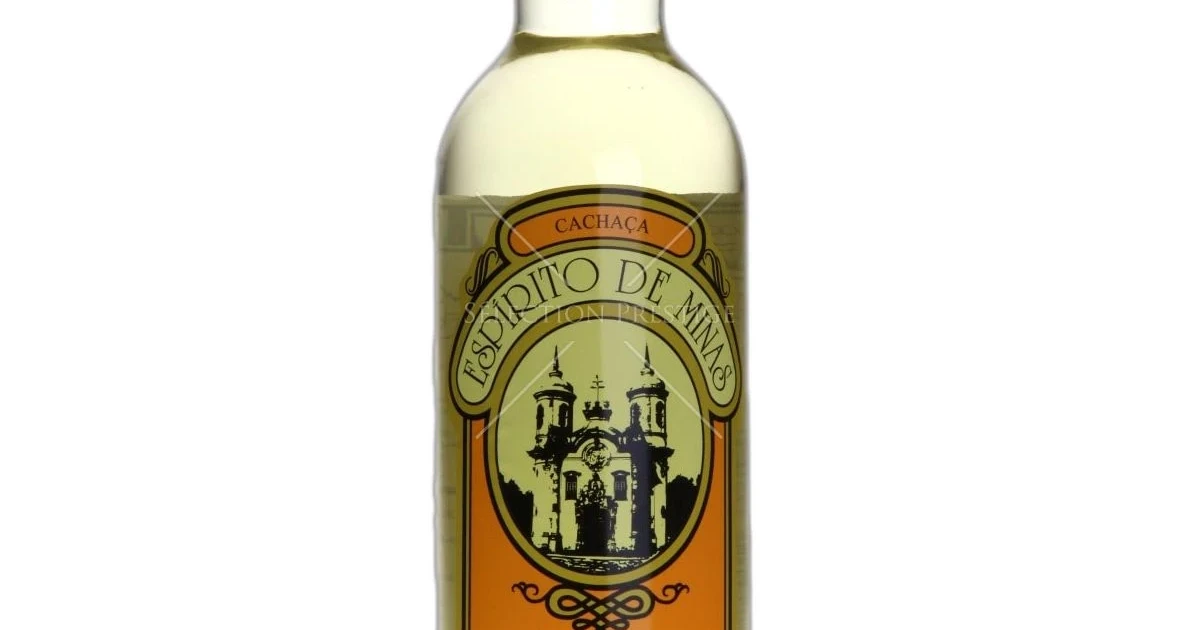
Australia’s easing of customs rules for cachaça in March 2024 gave Brazil another opening for the spirit just as tariff pressure has been pushing trade relationships into new channels. Brazil’s Ministry of Agriculture and Livestock now tracks the sector closely enough to show why the drink matters: the 2025 Anuário da Cachaça, the official yearbook for reference year 2024, recorded 7,223 registered cachaça products, up 20.4% from 2023, with Minas Gerais alone accounting for 2,492 products, or 34.5% of the national total.
That scale is backed by a more formal industry base than the cocktail image suggests. The ministry said Brazil had 1,217 registered cachaçarias in 2023, and its 2025 materials include an export section, a sign that international sales are now part of the sector’s regular economic accounting. MAPA Portaria n° 539/2022 also set identity and quality standards for cane aguardente and cachaça, reinforcing that the drink is regulated as a distinct category rather than an informal farmhouse product.

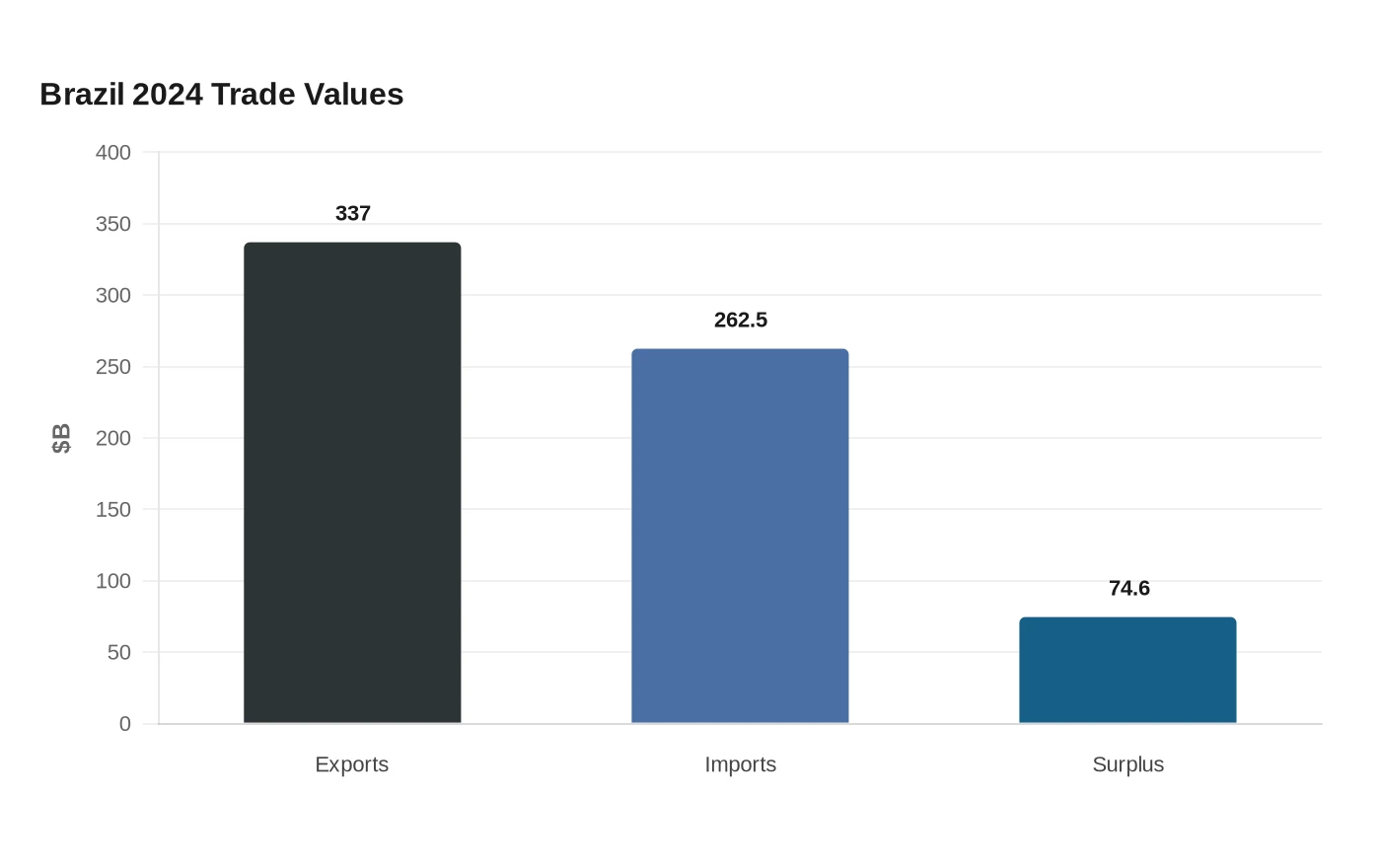
The trade backdrop makes those numbers more than a curiosity. Brazil posted a USD 74.6 billion trade surplus in 2024, with exports of USD 337 billion and imports of USD 262.5 billion. Agribusiness, the country’s export engine, reached USD 152.63 billion from January through November 2024, equal to 48.9% of total exports in that period. In that environment, a product like cachaça gains strategic weight because it fits a wider push to diversify markets as Washington raises barriers and partners look for alternatives.
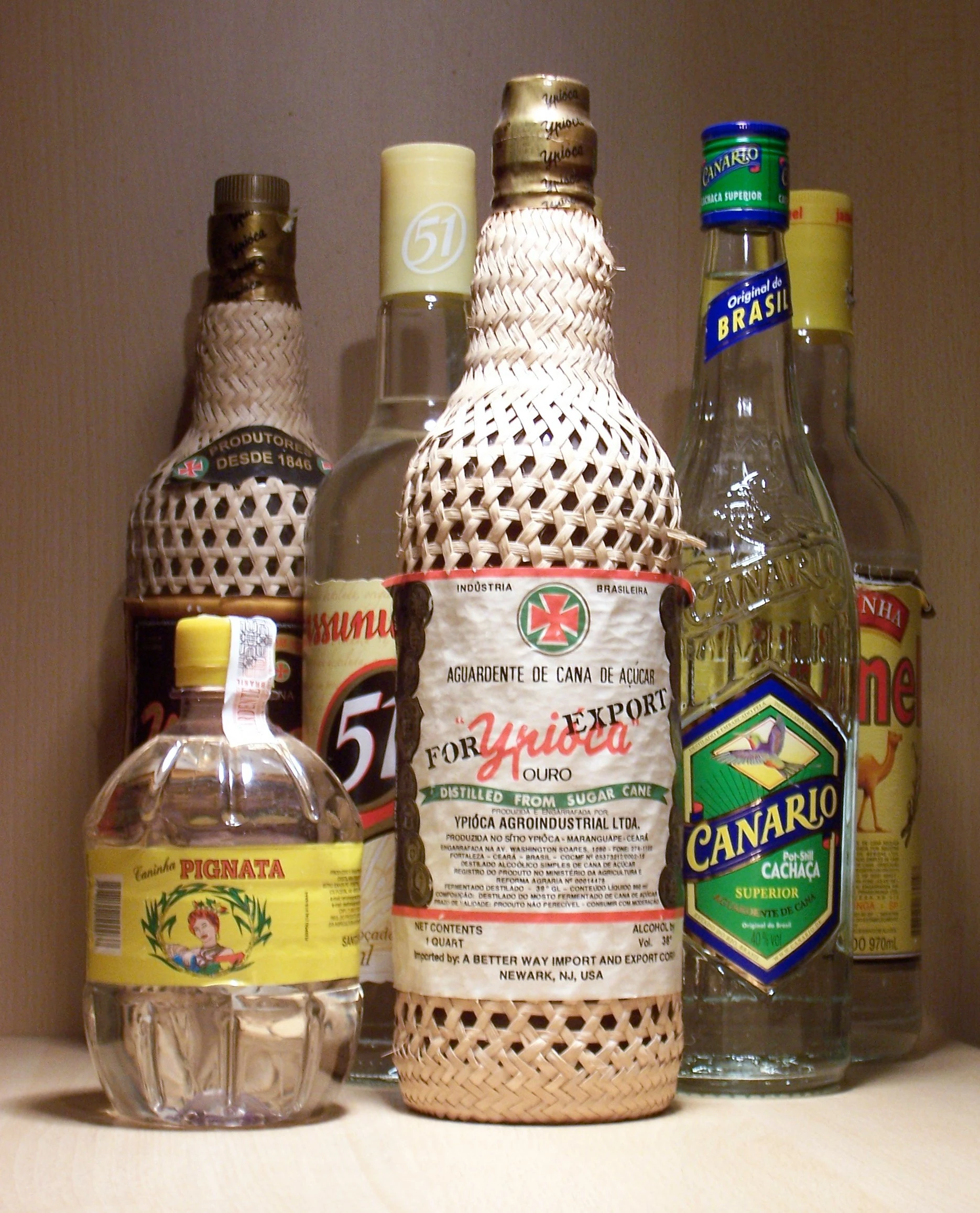
That is where Europe comes in. As U.S. tariff pressure reshapes supply chains and trade alliances, Brazil has more incentive to deepen commercial ties with European buyers, and cachaça offers a small but visible example of how that realignment works in practice. The same logic applies beyond spirits: once access to one market becomes harder, producers search for more stable routes elsewhere, especially in sectors where branding, standards and traceability can support higher-value exports.
Industry groups are positioning for that fight. ABRABE, Brazil’s beverage industry association, says it represents members in discussions with executive branch officials, lawmakers, regulators, the press and public opinion. That kind of access will matter if tariff shifts create openings for Brazilian beverages in Europe, or if market-access gains in one country encourage a broader push for Brazilian consumer goods and manufacturing exports elsewhere.
Sources
- [1]npr.org
- [2]gov.br
- [3]abrabe.org.br