Business
Tariff uncertainty blunts Trump’s foreign investment push
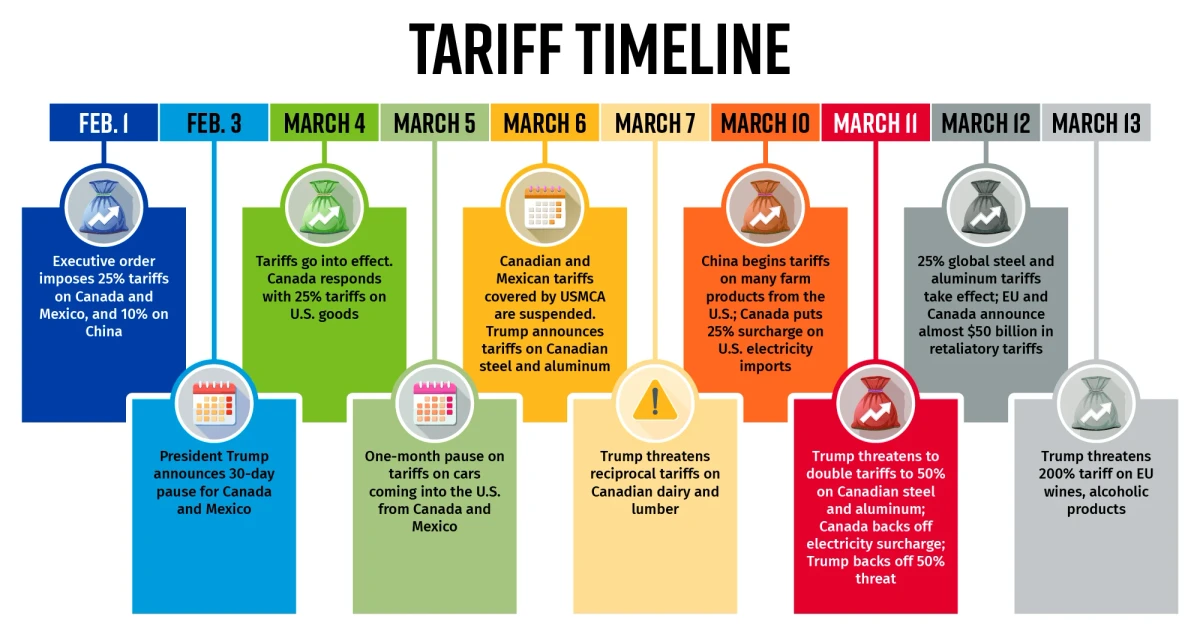
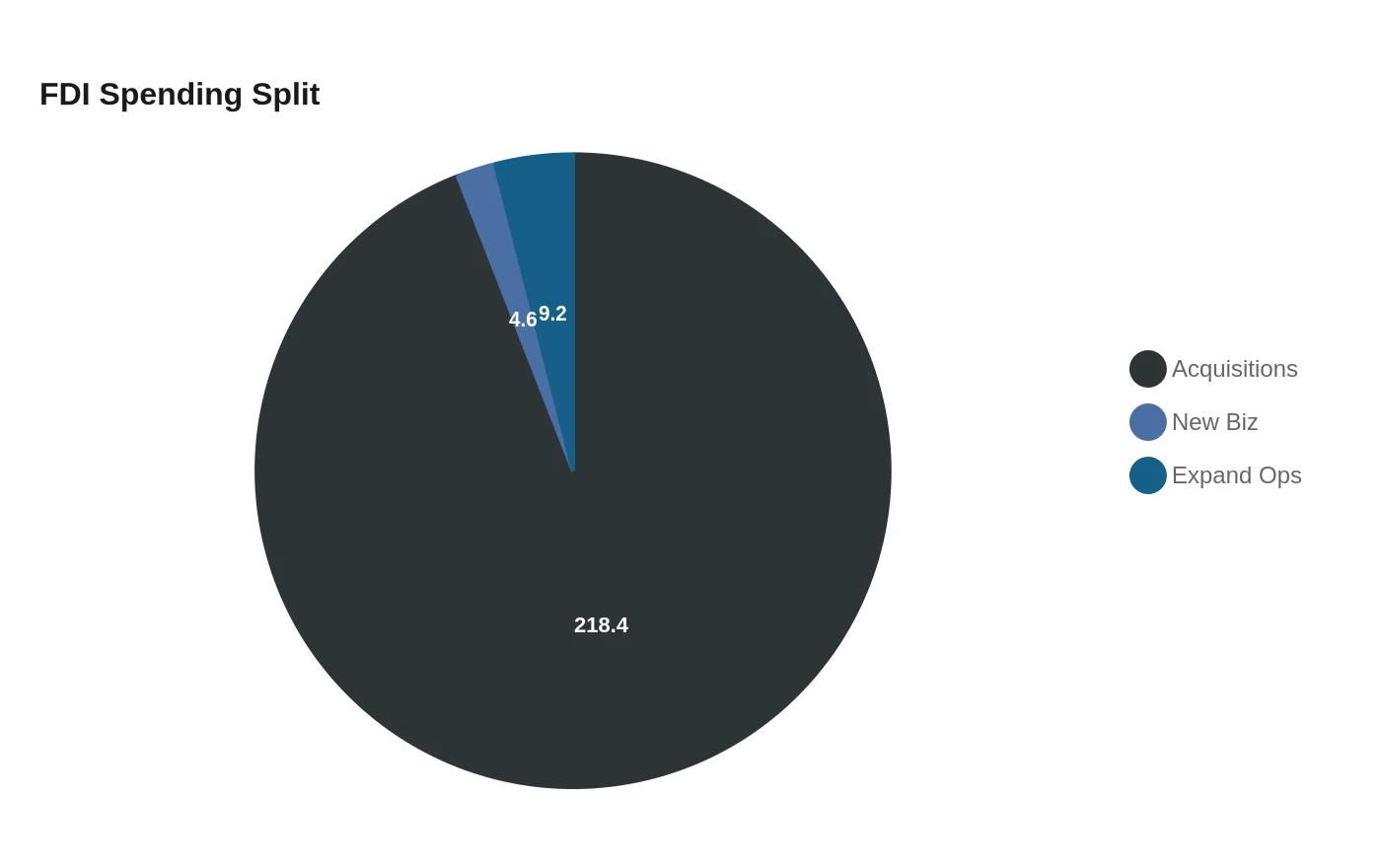
Foreign investors poured $232.2 billion into the United States in 2025, but $218.4 billion of that went into buying existing businesses rather than starting new ones. That split sits at the center of Donald J. Trump’s tariff argument: higher import barriers may push some companies to commit more capital in America, yet policy unpredictability can make boards wait.
The Federal Reserve said in June 2026 that U.S. tariffs rose sharply in 2025 and helped drive trade and economic policy uncertainty to record highs. The central bank said that uncertainty can work against the goal of attracting foreign direct investment because firms may delay spending while they wait for clarity on how long tariffs will last and how severe they will be. That caution helps explain why the 2025 inflow, while up 49.5% from 2024, did not translate into a broad wave of greenfield construction. Only $4.6 billion went to establish new U.S. businesses, and $9.2 billion went to expand existing foreign-owned operations.
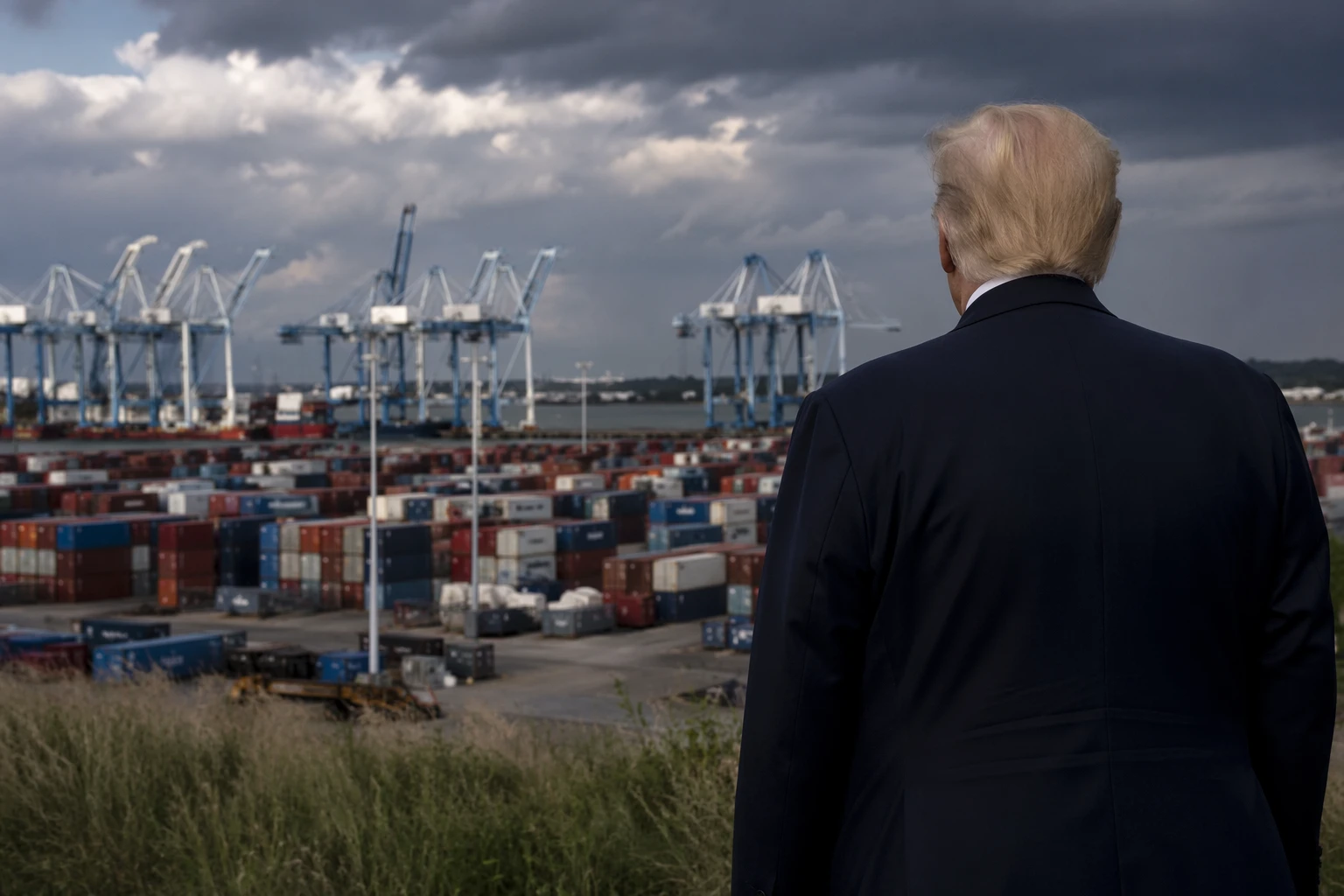
The country breakdown also shows how concentrated the inflows were. Japan was the largest source of new foreign direct investment at $50.5 billion, followed by Germany at $26.7 billion and Canada at $23.5 billion. Manufacturing accounted for $121.8 billion, or 52.5% of total new foreign direct investment expenditures, reinforcing the importance of boardroom decisions in plants, supply chains and industrial capacity rather than purely financial deals.
The White House has continued to frame that capital as proof that tariffs and dealmaking can pull investment onshore. A July 23, 2025 fact sheet described a U.S.-Japan strategic trade and investment agreement that included a $550 billion Japanese investment commitment. But the gap between announced pledges and realized spending remains wide, especially when most recorded foreign investment is acquisition money rather than money for new facilities.
The broader balance sheet underscores how large the United States remains as a destination, and how dependent it is on foreign capital. The Bureau of Economic Analysis said the foreign direct investment position in the United States reached $5.71 trillion at the end of 2024. It also said the U.S. net international investment position stood at minus $21.27 trillion at the end of the first quarter of 2026. Those figures show why the White House keeps selling the promise of foreign money, and why investors’ hesitation still matters.
Sources
- [1]nytimes.com
- [2]bea.gov
- [3]federalreserve.gov
- [4]politico.com
- [5]whitehouse.gov