Entertainment
Taxi Driver’s Legacy Endures as Cast Reunites
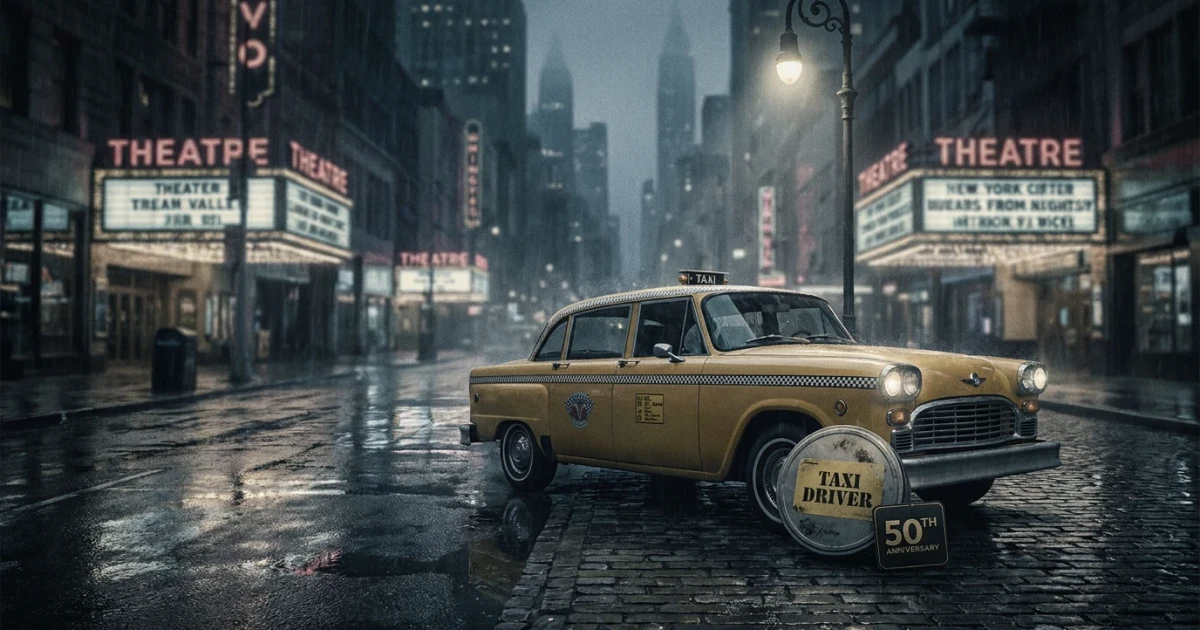
Taxi Driver, the landmark 1976 thriller, marked its 50th anniversary with a reunion of its principal creators—Robert De Niro, Martin Scorsese, Jodie Foster, and Paul Schrader. The Guardian reported that the group gathered to discuss the film’s enduring resonance, highlighting how its themes of alienation and obsession remain remarkably relevant.
In a world where isolation and obsession remain topical, Taxi Driver stands as a testament to the power of cinema to capture and challenge the human condition. Its creators’ reunion at 50 serves as a reminder that art reflecting uncomfortable truths can maintain its significance for generations.
Enduring Themes of Isolation and Obsession
The reunion underscored the ways in which Taxi Driver's depiction of urban isolation continues to mirror contemporary anxieties. According to The Guardian, De Niro and Scorsese reflected on how Travis Bickle’s struggles with loneliness and obsession echo present-day experiences, particularly in an age of digital connection and social fragmentation. Schrader, who penned the script, emphasized that “people are still isolated and obsessive,” observing that the film’s psychological portrait has grown only more pertinent over the decades.Creative Collaboration and Cultural Impact
The creative team discussed the origins of the film, with Scorsese noting the unique chemistry between cast and crew that fueled its intense energy. Foster, whose portrayal of Iris was widely acclaimed, spoke about the film’s controversial yet critical exploration of violence and innocence. The Guardian highlighted the conversation around the film’s classic lines, including speculation about whether Bruce Springsteen inspired the famous “You talkin’ to me?” moment—a debate that continues among fans and critics.- Taxi Driver grossed nearly $28 million at the box office, making it one of the decade’s most successful independent films.
- The film’s production, as chronicled in the AFI Catalog, was marked by intense creative risks and a commitment to authenticity.
- Taxi Driver was nominated for four Academy Awards in 1977, including Best Picture and Best Actor for De Niro.
- The film holds a user rating of 8.2 on IMDb, with strong support across generations.
- It was inducted into the National Film Registry in 1994 for its cultural and historical significance.
Taxi Driver’s Place in Film History
Critics and audiences have consistently ranked Taxi Driver among the greatest films ever made. The BFI Sight & Sound poll places it high in international rankings, citing its influence on later filmmakers and its unflinching approach to character study. The film’s original New York Times review praised its “disturbing vision” and the raw performances that have helped it maintain a lasting presence in popular culture.Looking Forward: Taxi Driver at 50
As the creators reflected on the film’s legacy, The Guardian noted their consensus that its core message continues to resonate. The anniversary reunion showcased not only nostalgia for a pivotal moment in cinema but also a renewed appreciation for its relevance. The film’s ability to provoke conversation about mental health, urban life, and identity ensures that it remains a subject of study and debate.In a world where isolation and obsession remain topical, Taxi Driver stands as a testament to the power of cinema to capture and challenge the human condition. Its creators’ reunion at 50 serves as a reminder that art reflecting uncomfortable truths can maintain its significance for generations.