Entertainment
Taylor Swift and Trump embody two visions of American patriotism
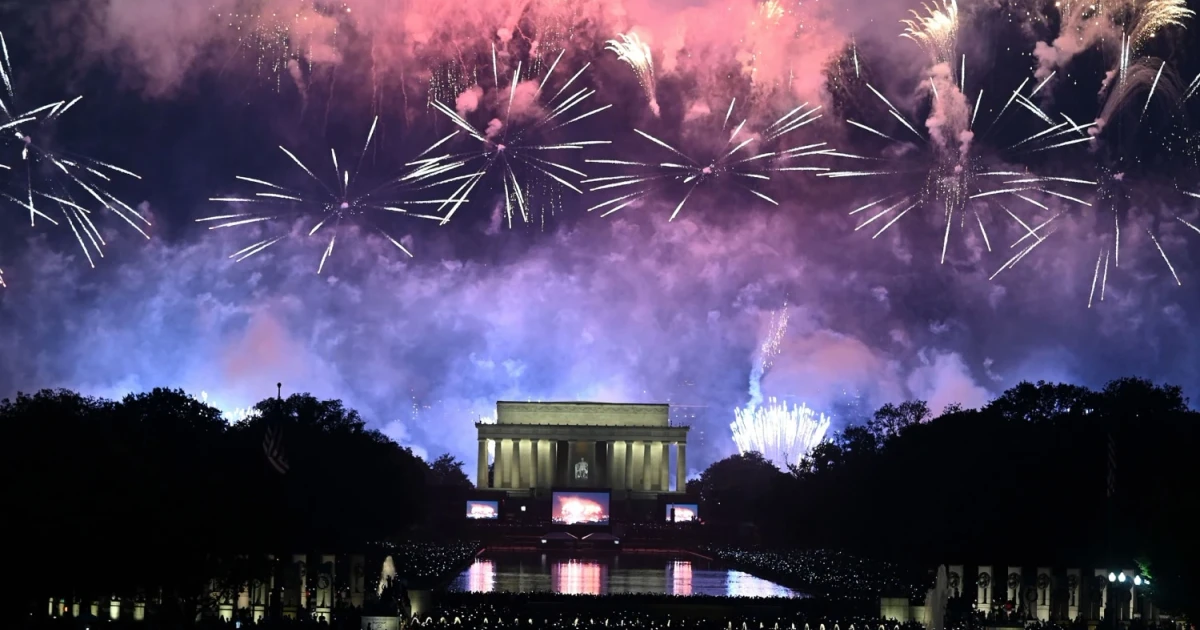
Taylor Swift’s Rhode Island mansion and the National Mall are becoming rival stages for the Fourth of July. With America moving through a year-long buildup to its 250th anniversary, the holiday has become a contest over which version of patriotism feels most persuasive, most visible and most American.
A holiday with two very different stages
The White House has framed July 4, 2026 as 250 years since American independence, and January 1, 2026 as the start of a year-long commemoration of 250 years of American freedom and independence.
Trump has already cast 2026 as a year of celebration and rededication. He signed an order creating the White House Task Force on Celebrating America’s 250th Birthday, a formal apparatus meant to organize the government’s role in the semiquincentennial buildup. The result is a patriotic calendar built around official events, public symbols and a narrative of national renewal.
Trump’s version of patriotism is public, ceremonial and federal
The centerpiece of Trump’s plan is a Great American State Fair that the task force will stage with the America 250 Commission. The fair is set to culminate in a festival on the National Mall in July 2026, putting the country’s 250th birthday at the center of Washington’s most recognizable civic space.
That approach turns patriotism into a public performance with federal branding. It ties the anniversary to government institutions, official partnerships and the language of rededication, rather than to a private celebration or a local tradition.
Swift’s Fourth of July tradition is intimate, social and unmistakably American
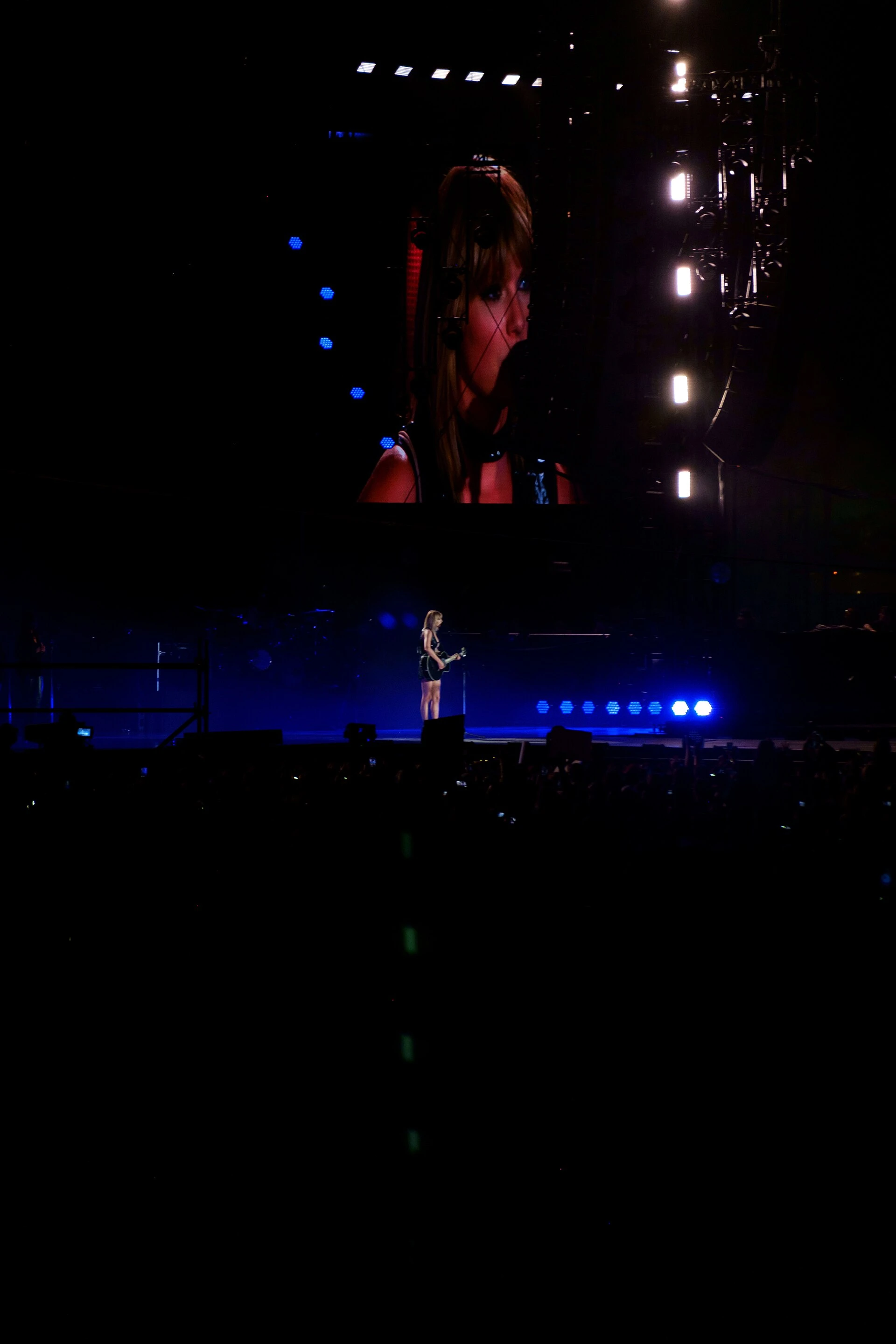
Swift represents the other side of the holiday spectrum. Her Fourth of July image has long been linked to low-key gatherings with celebrity friends at her Rhode Island mansion, a setting that feels private even when it is widely covered. The location itself carries a different kind of symbolism: coastal, domestic and insulated from the machinery of Washington.
Her July 4 celebrations operate as a curated social ritual, not a civic event. They project national feeling through friendship, nostalgia and celebrity visibility rather than through formal institutions or public ceremony.
Trump’s July 4 posture is about the state speaking in the name of the nation. Swift’s is about an individual celebrity turning a holiday into a personal tradition that fans and tabloids can watch from a distance.
Why the contrast lands so hard in 2026
The country is already in a year-long semiquincentennial buildup, which means July 4 is being asked to carry an especially heavy burden of symbolism. In a year saturated with identity, politics and spectacle, the holiday becomes a test of whether national unity is best expressed through official ceremony or through cultural mood.
One is the dominant figure in pop music and celebrity culture, with a fan base that treats her public life as part of a larger story about modern American identity. The other is the country’s most polarizing political showman, using the tools of the presidency to frame 2026 as a moment of national rededication.
The contrast also reflects a deeper media habit: treating Swift’s holiday traditions and Trump’s holiday politics as separate but competing forms of American mythmaking. One myth is soft-edged and coastal, built around a mansion, friends and a familiar summer holiday ritual. The other is hard-edged and institutional, built around task forces, commissions and a national festival in Washington.
Patriotism also has a soundtrack
The holiday’s meaning is not just visual. America-themed songs remained a recurring Fourth of July cultural touchstone in Billboard’s 2025 July 4 roundup by Joe Lynch, Hannah Dailey and Paul Grein.
The list ranged from celebratory to critical tracks, underscoring that patriotic feeling in the United States has never been monolithic. July 4 has always held room for anthems that elevate the country and songs that question it.
What the holiday now represents
By the time July 4 arrives, both visions will be visible at once. Trump’s White House is pushing a grand celebration worthy of the 250th anniversary of American independence, complete with a National Mall festival and the machinery of the America 250 Commission. Swift remains the face of a more private, socially curated holiday tradition rooted in celebrity culture and coastal retreat.
Sources
- [1]nytimes.com
- [2]whitehouse.gov
- [3]billboard.com